Short answer
Ask a drug paraphernalia cleanup company how it handles syringes and unknown powders, what protection its crews wear, whether it tests for residue before and after, how it decides what belongings to discard, where waste goes, how it prices surprises, what documentation you get, and how it treats privacy. Clear, specific answers to these ten questions separate trained specialists from general cleaners.
Why the right questions matter for this kind of job
Drug paraphernalia cleanup looks deceptively simple. A general cleaning company or a handyman might offer to bag everything up in an afternoon. The trouble is that paraphernalia sites can hide syringes in unexpected places and may carry residue from substances like fentanyl or methamphetamine that are not visible to the eye. A crew without the right training, gear, and procedures can miss hazards or spread residue into clean areas.
Asking good questions before you hire helps you tell the difference between a specialist and someone improvising. You do not need to be an expert to judge the answers. A qualified company will answer clearly, without hesitation, and will not be offended that you asked.
Make the calls from somewhere calm, not from the doorway of the affected room. You will think more clearly, and you will not be tempted to go back in for a closer look while you wait on hold. Have your photos ready to send, and know roughly how many rooms are involved and whether the property is occupied.
Below, the ten questions are paired up where they naturally overlap, from sharps handling through privacy. Take notes on each call so you can compare companies side by side.
Question 1: How do you find and collect syringes?
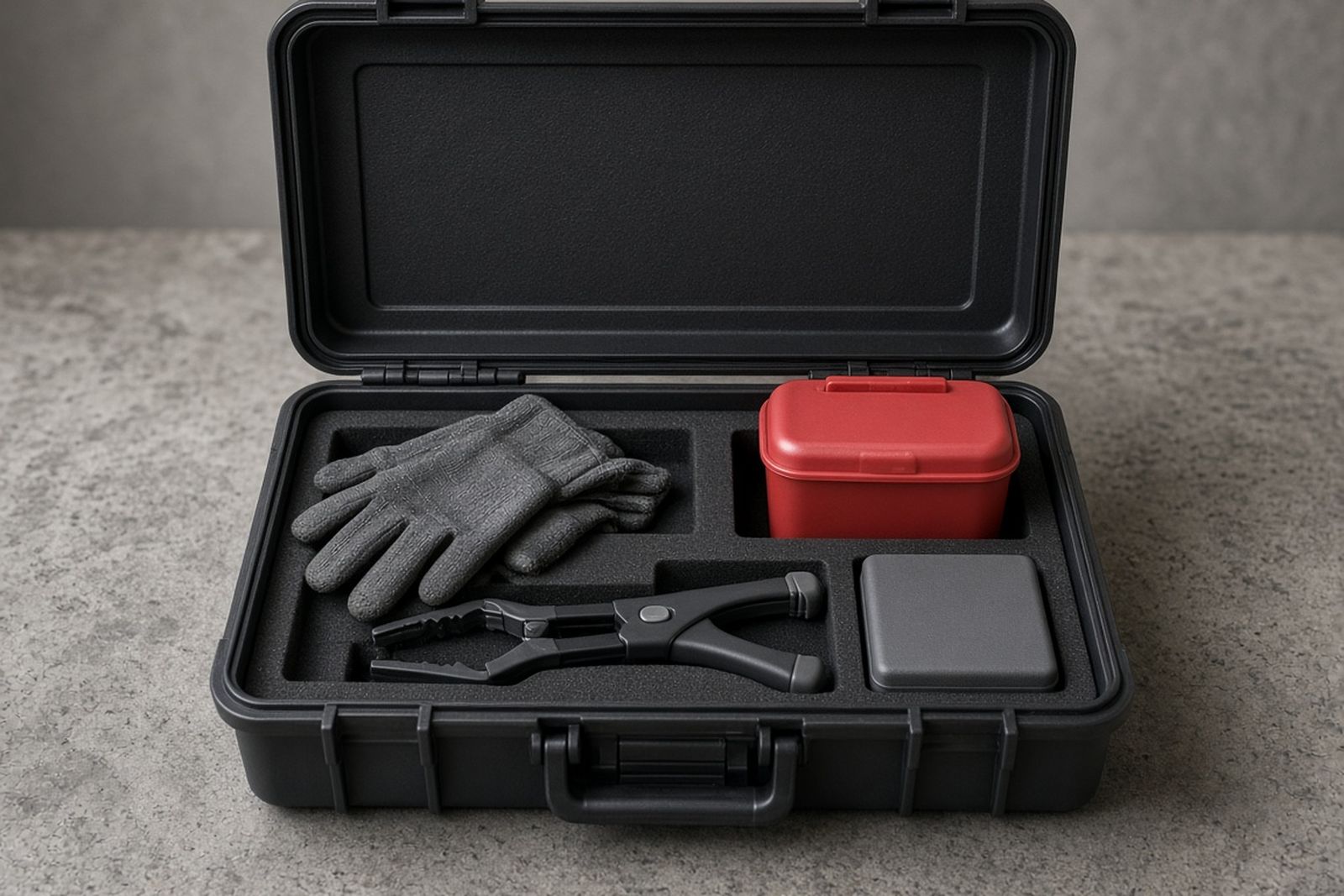
Listen for specifics. A good answer mentions no-touch tools like tongs or grabbers, puncture-resistant sharps containers, a systematic search pattern, and checking hidden places such as mattress seams, drawers, vents, and pockets of clothing. Be wary of an answer that amounts to we just pick them up.
Question 2: What happens if you find a powder you cannot identify?
The best companies treat unknown substances with caution. They should describe stopping to assess, using respiratory protection, avoiding actions that create dust, and bagging and labeling the material. Some may recommend testing or, in certain situations, notifying law enforcement.
Fentanyl is the concern many people have in mind. A good answer respects that risk without overstating it: no dry sweeping, no bare hands, and no scare stories used to push the price up.
Question 3: What will your technicians wear?
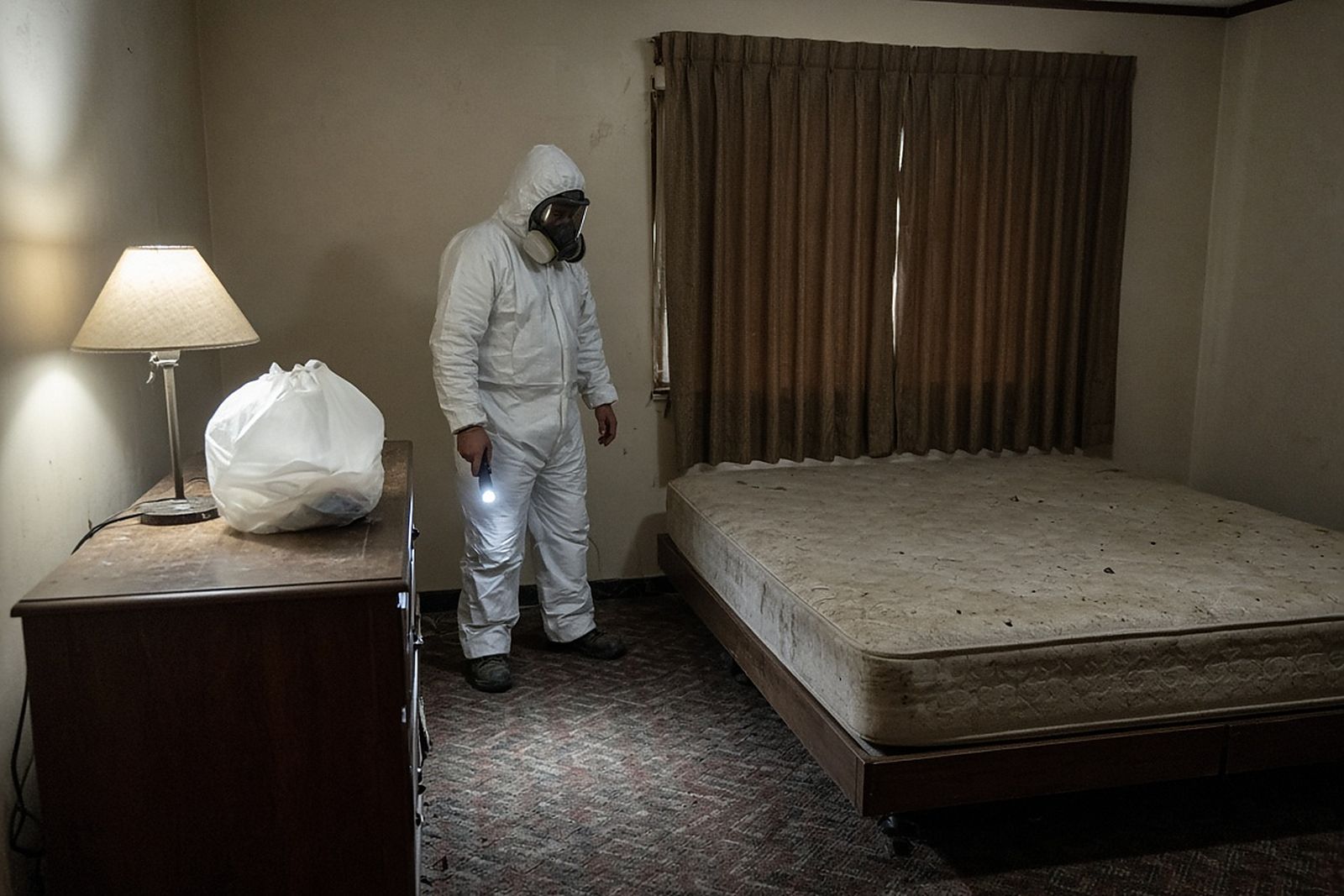
Ask exactly what the crew will wear and why. For most paraphernalia jobs, you should hear about disposable coveralls, nitrile gloves, eye protection, and respiratory protection when powders or heavy smoke residue are present. For jobs with visible blood or bodily fluids, additional protection may be appropriate.
Follow up by asking about training. Have technicians been trained in bloodborne pathogen safety and respirator use? Do they know how to put on and remove protective equipment without contaminating themselves or your property? A company that invests in training will be glad to tell you about it.
You can also ask how they set up the work area. Containment sheeting, a defined path in and out, and a place to remove protective gear all help keep residue from spreading.
Finally, ask whether the company carries its own liability coverage and whether its technicians are covered if they are injured on your property. You do not need to evaluate the policy yourself, but a company that cannot confirm basic coverage in writing is taking on risk that could land on you.
Questions 4 and 5: Testing and the finish line
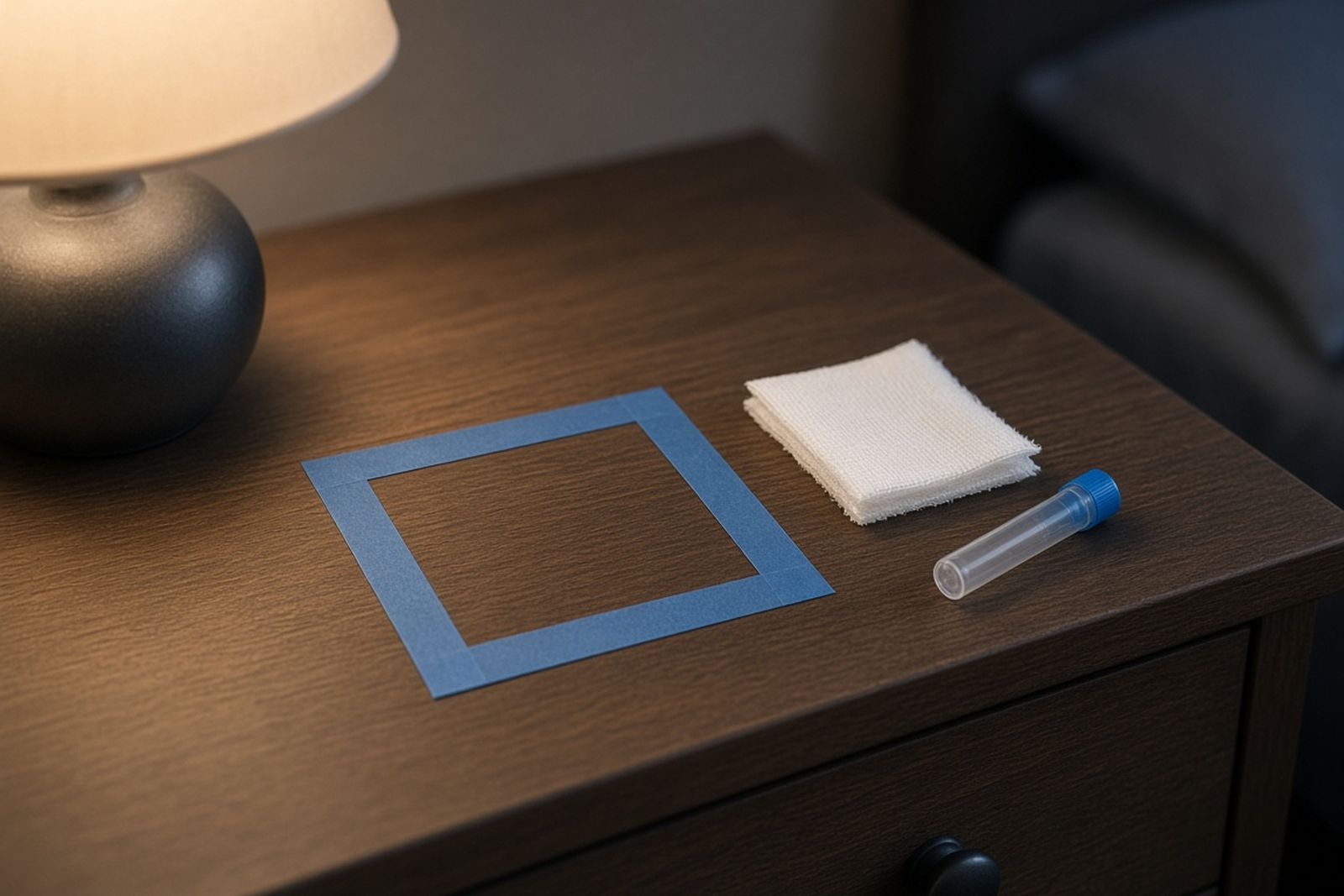
Question 4 is whether the company offers surface testing before or after cleaning. Not every job needs testing, but a qualified company should be able to explain when it makes sense. Testing is especially useful when there has been heavy use, when a unit is going back on the rental market, or when someone vulnerable, such as a child, will be living there.
Question 5 asks how the company decides the job is finished. A vague answer like when it looks clean is not enough. Better answers include a final walkthrough, before-and-after photos, and, where testing is used, lab results compared against state guidance or an agreed benchmark.
Standards are still developing. The Legislative Analysis and Public Policy Association reported in 2025 that only two states, California and Wyoming, have cleanup laws or regulations that mention fentanyl by name, and neither has full cleanup procedures. A good company will be honest about that gap and explain what reference points it uses instead.
Questions 6 and 7: Belongings and waste
Question 6 covers how the crew decides what to keep and what to throw away. This matters most when the space belonged to someone you care about or to a tenant whose property you may need to store. Look for a company that asks before discarding anything other than obvious debris, bags personal items like photos and documents separately, and explains why porous items such as mattresses or upholstered furniture may need to go.
Question 7 is where the sharps and other waste will be taken. Syringes should go into sealed sharps containers and on to a facility licensed to handle medical waste. Other debris may be handled differently depending on local rules. Ask whether you will receive a record showing how waste was disposed of.
Rules vary by state and county; verify with the local authority how long a landlord must store a former tenant's belongings and whether any paraphernalia must be reported before it is discarded.
Questions 8 and 9: Pricing and surprises
For question 8, ask for a written, itemized estimate. You want to see separate lines for search and collection, sharps disposal, surface cleaning, removal of soft goods, testing, and any repairs or HVAC work. An itemized quote lets you compare companies fairly and understand what you are paying for.
For question 9, ask what happens if the crew finds more than you discussed. Paraphernalia jobs often turn up surprises. A trustworthy company will explain how it handles changes, typically by pausing, calling you, and getting approval before adding significant cost. Be cautious of anyone who will not commit to that in writing.
Ask, too, how quickly the company can start. A crew that is available within a reasonable window but explains what it needs from you first, such as a police release or confirmation that utilities are on, is usually more dependable than one that promises to be there in minutes without asking anything.
Question 10: Privacy and the people involved
Drug use carries stigma, and a cleanup can be embarrassing or painful for the people connected to it. Ask whether the company uses unmarked vehicles, how it talks to neighbors who ask questions, and how it stores photos and records. A discreet company will have clear answers.
This question also reveals something about a company's attitude. Crews who treat the situation with respect, rather than judgment, tend to be the same crews who take care with your property and your family's belongings.
If the person connected to the space is a family member, you can ask the crew to avoid discussing what they find with anyone but you. Most specialists already work this way, and hearing them say so can take a weight off your shoulders.
A quick answer versus a thorough one
Put the ten questions together and two kinds of company tend to emerge. The first offers to come right away, bag everything, and have the space ready the same day. Ask about an unknown powder and the answer is that they just throw it out. Ask about testing and they say it is never necessary. The quote is a single number.
The second kind asks questions of its own before quoting: the room layout, whether anyone has been exposed, what was found and where. It explains that technicians will wear respirators if there is unidentified powder, search systematically, collect sharps into sealed containers, and offer optional wipe sampling when the space is going back into use. The estimate is itemized, and the company commits to calling before adding anything.
The first company may be faster and cheaper. The second gives you a clear process, documentation, and a basis for telling the next occupant or guest that the space was properly handled. For most owners and managers, that is worth the difference.
Answers that should end the conversation
Some answers should give you pause regardless of price. If you hear any of these, keep calling around.
A single red flag is not always disqualifying, but two or three together usually tell you everything you need to know. Trust your sense of whether the person on the phone is listening to your situation or just trying to close a sale.
- No mention of sharps containers or no-touch tools.
- No respiratory protection when powders are present.
- Refusal to provide an itemized, written estimate.
- No explanation of where waste will be taken.
- Promises that the space will be completely safe without any testing or documentation.
- Pressure to sign immediately or pay the full amount up front.