Drug Paraphernalia Cleanup location coverage standards
Why a city name alone is not local expertise.
We have not published city pages for this specialty yet. Pages stay unpublished until they contain researched local context and useful decision support. Use the form to ask about your area.
Get an email reply about drug paraphernalia cleanup
Send a short message to the follow-up inbox. A coordinator can reply by email. This form does not send emergency help; call 911 first if anyone is in danger.
Research before reach
A location is published only when its page includes meaningful local property, access, climate, jurisdiction, or documentation considerations.
Everything for one city on one page
Planning, safety, insurance, provider questions, sources, and documentation for each city sit together on a single guide.
No invented local offices
A city guide does not claim a storefront, parked crew, guaranteed arrival, job count, rating, or credential that has not been independently verified.
Use the national service guidance
The service and article libraries explain hazard controls, documentation, insurance questions, and provider verification without pretending those requirements are identical in every jurisdiction.
Not sure where to start?
Send a short message about your situation. Your request is sent to the follow-up inbox. A coordinator can reply by email.
Your request is sent to the follow-up inbox. A coordinator can reply by email.
If anyone is hurt or in danger, call 911 first.
Why location matters for drug paraphernalia cleanup
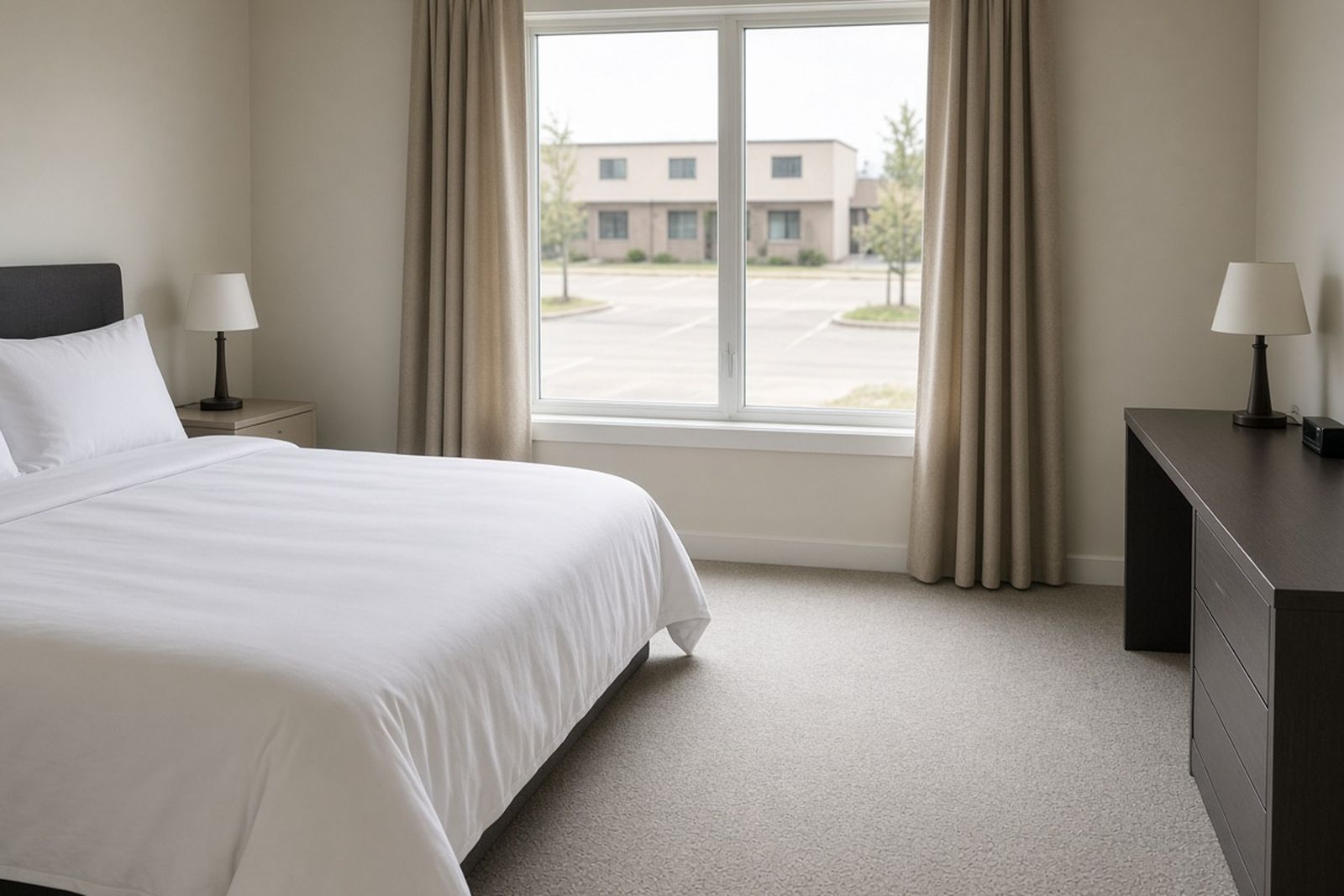
Where drug items turn up shapes almost every part of the cleanup. Rules for household needles differ widely. Some states let residents seal used needles in a hard container and put them in the trash. Others require drop-off sites, mail-back programs, or a permitted medical waste hauler once a business is involved. Some states also have special rules for properties linked to meth. Those rules can turn a routine turnover into a regulated cleanup with testing and a duty to tell buyers or tenants. The setting matters as much as the law. Think of a motel room with carpet and a shared air system. Think of a rental house with a separate garage, a foreclosed home that sat open for months, or the edge of a parking lot. Each one hides debris in different places. Heat speeds up how residues break down and can make odors stronger. Rain can scatter needles along fences and into storm drains.
Drug debris cleanup often involves several local offices. Knowing which one to call keeps you from guessing. Use the police non-emergency line to ask if anything you found must be reported before cleanup. Examples are a large amount of packaged powder or equipment that suggests drug making. The city or county health department can explain how needles should be packed and where they may be taken. The state environmental agency oversees permitted medical waste haulers and treatment sites. If you see chemical jugs, tubing, or stained glassware, the fire department or a regional hazmat team may need to check the scene first. Public works or parks staff handle debris on public land and sidewalks. Code enforcement or a housing office gets involved when a rental may not be fit for the next tenant.
Many junk removal and cleaning companies will haul trash from a unit. But drug debris calls for a narrower set of skills, so check before you hire. Ask what tools the crew uses for needles, and what containers that needles cannot poke through. Ask how full containers leave your property. Ask how the crew handles unknown powders, if workers carry naloxone, and if they avoid dry sweeping and canned air. Ask when the company would stop work and advise lab testing of surfaces for meth or other residues. Ask which accredited lab it uses. Ask for a sample turnover report with private details removed. Confirm any medical waste hauler the company names with your state environmental agency. Rules vary by state and county. So check the answers you get with the local authority instead of taking a company's summary of the law.
What to verify locally
- How your state and county require used needles found at a rental or business to be packed, moved, and thrown away, and who is allowed to carry them.
- Whether the company stops work and calls for lab testing of surfaces when it finds solvents, burn marks, tubing, or other signs that drugs may have been made there.
- Whether your state has rules for homes where meth was used or made, and whether those rules call for a test or a notice to tenants before you rent again.
- What gear the crew wears, if it keeps naloxone on hand, and what steps it takes when there is loose powder that might hold fentanyl.
- Who owns the land when debris is along a fence, alley, or sidewalk, and whether the city expects its own crews to clean public areas.
- What paperwork the company gives landlords or managers after a sweep, including photos, where items were found, and where the needle containers went.
National figures for context
These are national or research figures, not data for any one city.
- 14.3 per 100,000
The US age-adjusted rate of overdose deaths involving synthetic opioids other than methadone, mainly fentanyl, fell 35.6% from 22.2 per 100,000 in 2023 to 14.3 in 2024.
Read with care: A decline in deaths does not mean fewer paraphernalia or residue scenes.
Source: CDC National Center for Health Statistics (2025)United States, final 2023 and 2024 mortality data
- 2 states
Only two states, California and Wyoming, have cleanup laws or regulations that mention fentanyl by name, and neither has full cleanup procedures.
Read with care: Other states' 'clandestine laboratory' statutes may arguably apply to fentanyl.
Source: Legislative Analysis and Public Policy Association (2025)US states, research current as of March 2025
- 9.0%
Xylazine was detected in 9.0% of 53,969 fentanyl-involved overdose deaths across 32 jurisdictions from January 2021 to June 2022, rising to 10.9% of deaths by June 2022.
Read with care: Detection depends on toxicology testing practices, which vary by jurisdiction.
Source: CDC MMWR (2023)32 US jurisdictions, 2021–2022
These figures are public research and agency data, not this network's own job records. Keep each number with its population, year and limits; none of them predicts cost, timing or outcome at a specific property.
Local questions about drug paraphernalia cleanup
Can I throw used syringes from a rental unit in my regular trash?
It depends on your state and county, and on whether the property is treated as a household or a business. Some areas allow sealed, rigid sharps containers in household trash, while others prohibit it or require drop-off sites or licensed haulers. Needles collected at a rental business may fall under stricter rules. Call your local health department to ask, and never place loose needles in a trash bag.
Should I call the police when I find drug paraphernalia in a vacated unit?
For normal use debris like pipes, foil, or a few needles, many owners go ahead with cleanup. But what is expected varies by place. If you find what looks like a large amount of drugs, weapons, or equipment that suggests drug making, leave the area. Call the police non-emergency line or emergency services. Ask your local department what it prefers, so you are ready next time.
Does my state require testing before re-renting a unit where drugs were used?
Some states have rules for properties linked to meth, especially where it was made. A few cover drug use as well. Many have no special rule for cleaning up drug items alone. Ask your state or county health department or environmental agency what applies. Also check if you have a duty to tell future tenants or buyers. A company that knows your area should be able to explain the rules and show where they come from.
Who cleans up needles and debris on public sidewalks or in a park near my property?
Public land is generally the responsibility of the city, county, or the agency that manages the space. Many communities have a public works line, a parks department contact, or a non-emergency reporting app for needles. If debris is on the boundary between your property and public land, ask the city whether it will handle its side. Do not pick up needles by hand, even to move them.
Is paraphernalia cleanup in a motel or hotel treated differently from a house?
Often it is. A motel or hotel is a business, so it usually falls under business waste and workplace rules rather than household advice. Staff who may find needles should have training and the right containers. Waste may need to go through a permitted medical waste hauler. Shared air systems and frequent guest turnover also affect how rooms are cleaned. Ask your local health department what it expects from motels and hotels.
What local resource can help if someone was exposed to an unknown powder?
If someone will not wake up, has trouble breathing, or seems very drowsy after contact with an unknown substance, call emergency services right away. Give naloxone if you have it. For questions about an exposure that are not urgent, the national Poison Help line connects you to your regional poison center. Keep the area closed off. Let pros handle any material that is left.
Does climate affect how paraphernalia is found and removed outdoors?
Yes. Heavy rain can wash needles into gutters, drains, and garden beds. Thick summer plant growth can hide items that are easy to see in winter. Hot weather may weaken plastic needles and make residues smell stronger. Ask the company how it searches outdoor areas where you live. That should include under shrubs, in gravel, and along fences, not just the obvious paths.
More on drug paraphernalia cleanup
Drug Paraphernalia Cleanup services
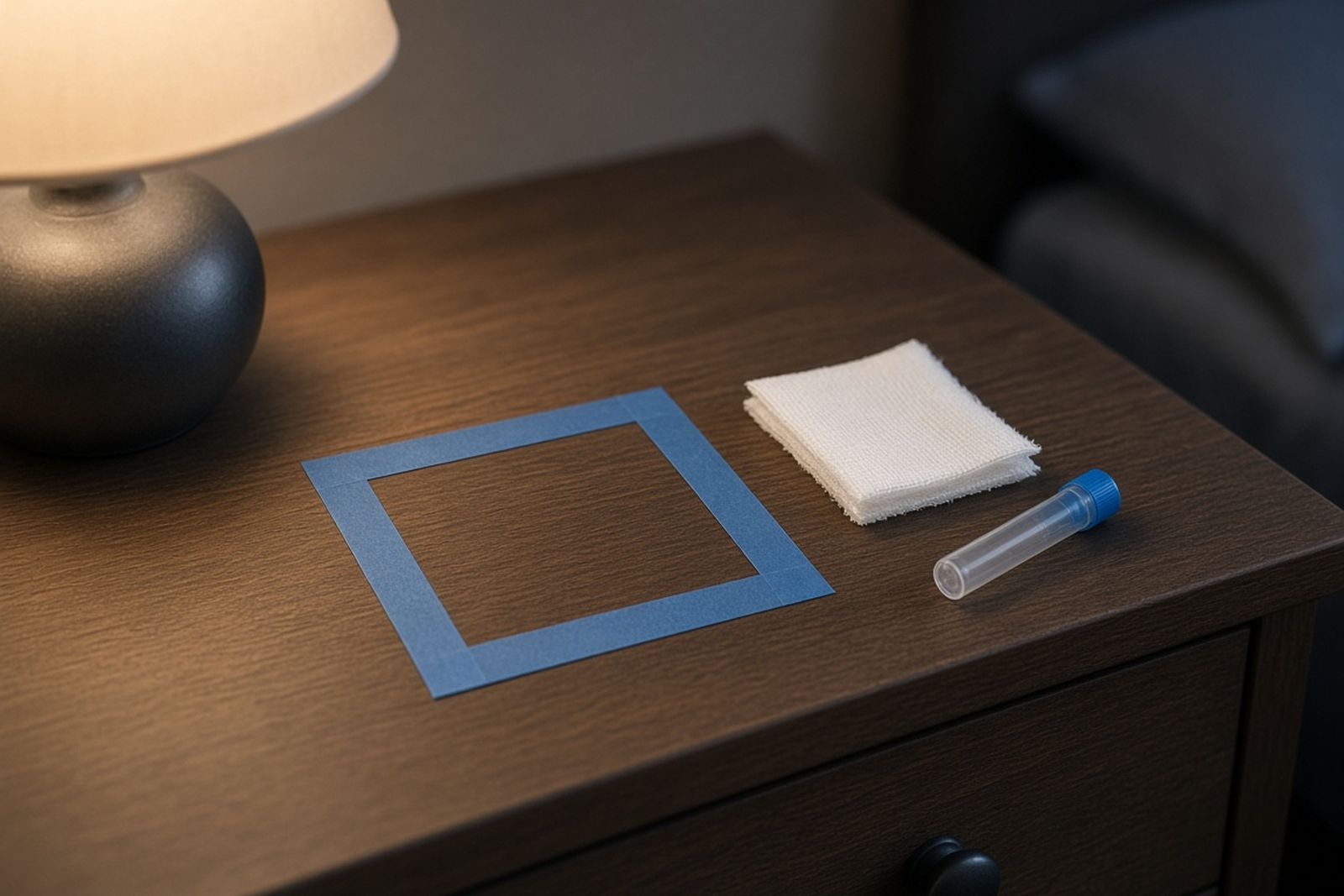
See how needle pickup, residue cleaning, vehicle work, and turnover paperwork fit together, and what to expect from a company on site.
Costs explained
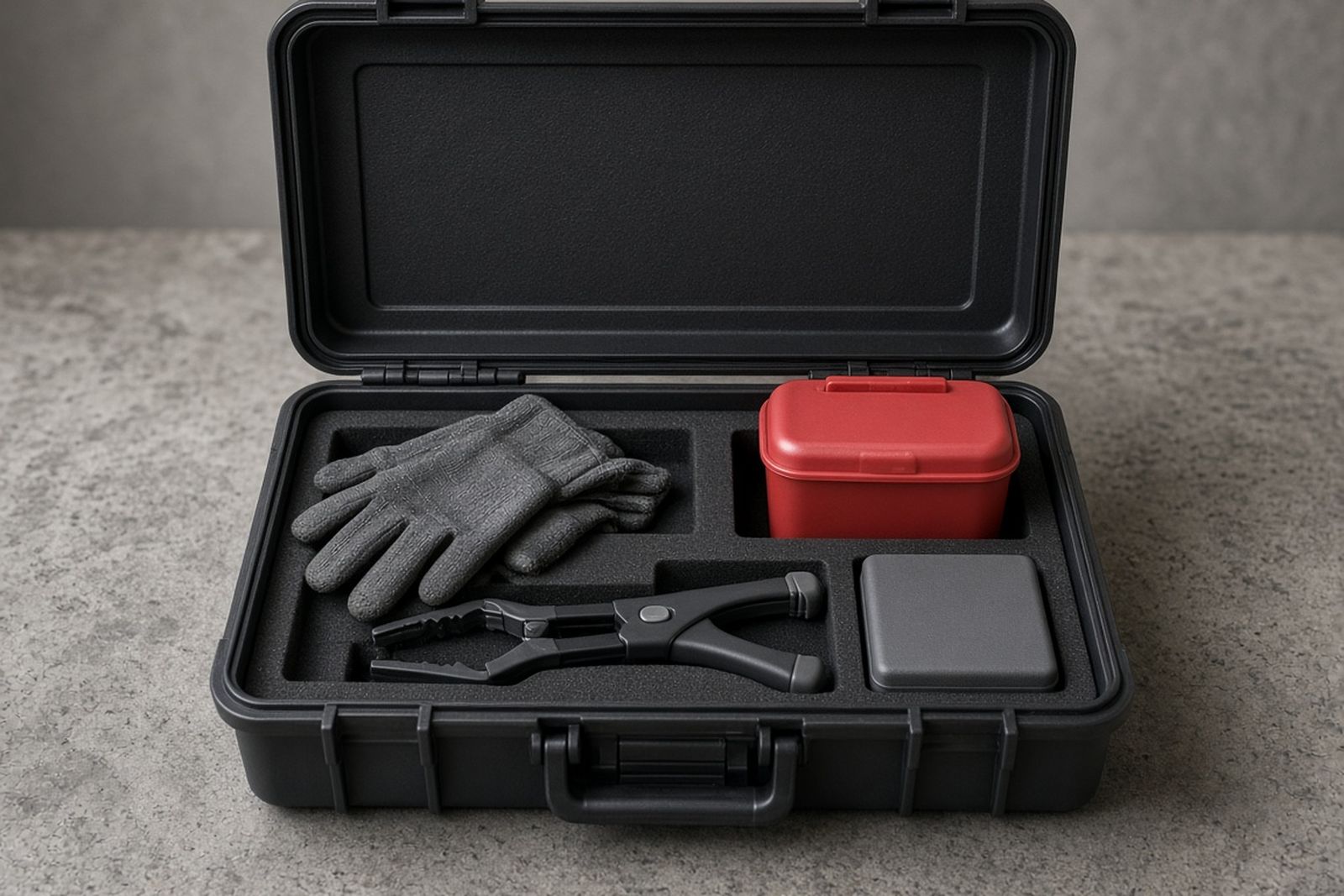
What drives the price, published cost ranges, and how to read a written quote line by line.
Insurance and payment
Which policies may respond, how to document a claim, and what to do if coverage is denied.
Planning tools
Work through planners, classifiers, and checklists built for rentals, motels, vehicles, and vacant homes where drug debris has been found.
Community polls
Compare your gut calls with other owners and managers on police reports, what to tell tenants, who pays, and when lab testing is worth it.
Knowledge quiz
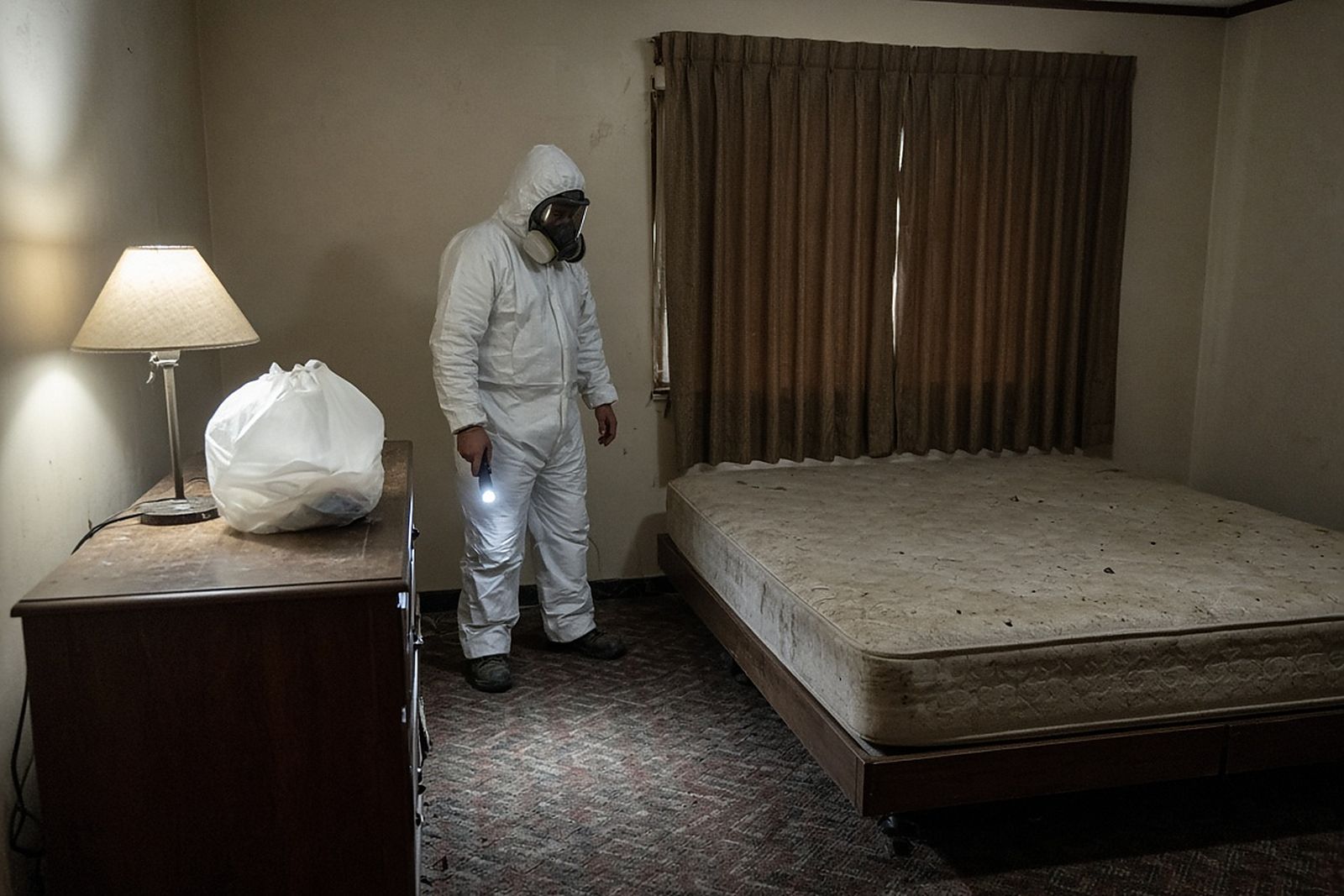
Test whether you would make the safer call when you find foil, pipes, syringes, or unknown powder, then review the study guide.
Articles and resources
Read longer articles on getting a unit ready after drug use, safe cleaning when fentanyl may be present, and how to tell drug use from drug making.