1Recognizing use debris and the signals that point to something worse
Drug debris includes glass pipes, blackened foil, cut straws, small baggies, cotton balls, bent spoons, lighters, and needles. You often find it near a bathroom, a mattress, or a car seat. These items point to drug use, and a professional sweep is usually the right response. Other signs point to making drugs. These include glass lab containers, tubing, chemical jugs, stained sinks or tubs, taped windows, and solvent smells. Those signs mean stop, leave, and call the authorities, because the hazards and cleanup rules change completely. Also watch for unknown powder anywhere. You cannot tell what a powder is by looking. So treat all of it as if it could be fentanyl or a similar drug. Never sniff, taste, or touch to test it, and never assume a small amount is harmless.
2Who may enter, who must be told, and when a scene is released
Finding drug items does not give you the right to do whatever you want. A landlord still owes notice to a tenant who has not given up the unit. A scene where someone was hurt or died belongs to police until they release it. Rules vary by state and county, so check with the local authority before you assume you can go ahead. Ask yourself three questions. Is anyone still living here? Has anything happened that police or a medical examiner would need to see untouched? Does my lease, my insurance policy, or a local law require me to report this? A serious company will ask the same questions before it sends a crew. It will say no to a scene that is still under investigation.
3Keeping the hazard in one place
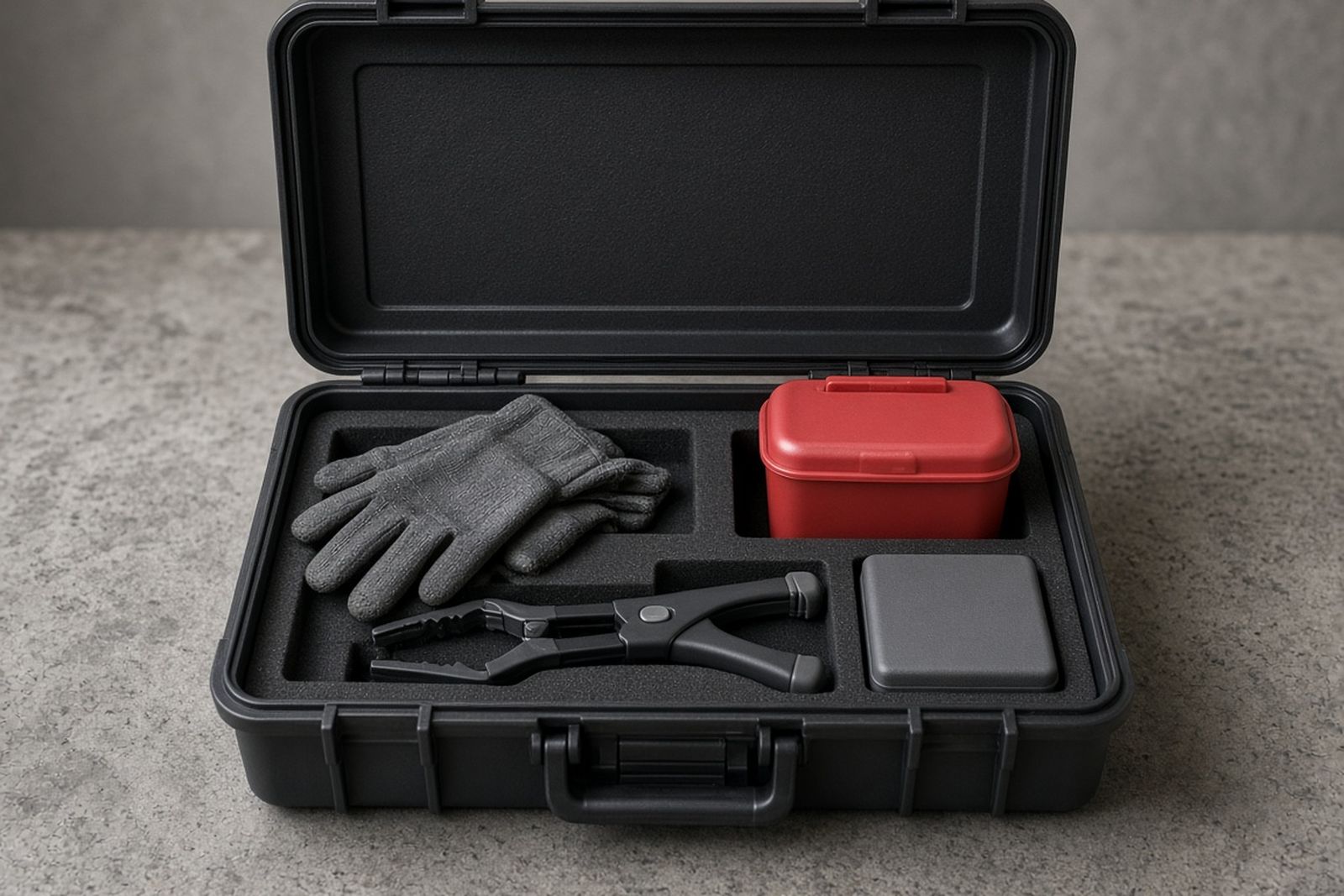
Containment is the habit of not letting one bad room become a bad building. It starts with closing the door, but it goes further. Turn off a shared heating and cooling system or close its vents. That keeps any powder in the air from moving into hallways or nearby units. Staff should not carry items out to a dumpster or a shared trash room. Shoes, gloves, and tools that touched the space should not go on to the next unit. In a vehicle, containment means keeping the doors closed and not running the fan. Pros go further. They use air filters and plastic walls that keep dust inside the work area. They also set up clean zones where they change gloves and outer clothes. The goal is simple. The next person to walk through the building is not exposed to what happened in one room.
4Cleaning removes, disinfecting kills, and neither replaces the other
Cleaning means removing dirt, residue, and debris. It uses soap, water, wiping, and careful removal of soft materials. Disinfecting means using a product to kill germs. That matters when blood, vomit, or other body fluids are present, as at an overdose or where someone injected drugs. Drug residue is a chemical hazard, not a germ. So a disinfectant does nothing to remove it. Only cleaning and removing materials deal with it. On the other hand, a spotless-looking counter can still carry bloodborne germs where a needle was used. Good work does both in the right order. First remove the needles. Then wet-clean residue and dirt. Then disinfect surfaces that touched body fluids, and keep the disinfectant wet as long as its label says. Ozone machines, fogging, and air fresheners do not replace any of these steps.
5Where the waste goes
Different items leave the property in different ways. Used needles and lancets are sharps. They go into containers that points cannot poke through, and then to regulated medical waste treatment. Items soaked with blood or body fluids usually follow the same regulated path. Pipes, foil, and baggies are usually regular trash once they are empty. But a bag holding an unknown powder may need to be checked as hazardous waste. Nothing from a scene like this should go loose into a trash bag or dumpster where a trash worker could get stuck. Ask the company to explain each kind of waste before work starts. Ask for a written record of what left and where it went. Rules vary by state and county, so check the disposal route with the local authority.
6Proving the work was done
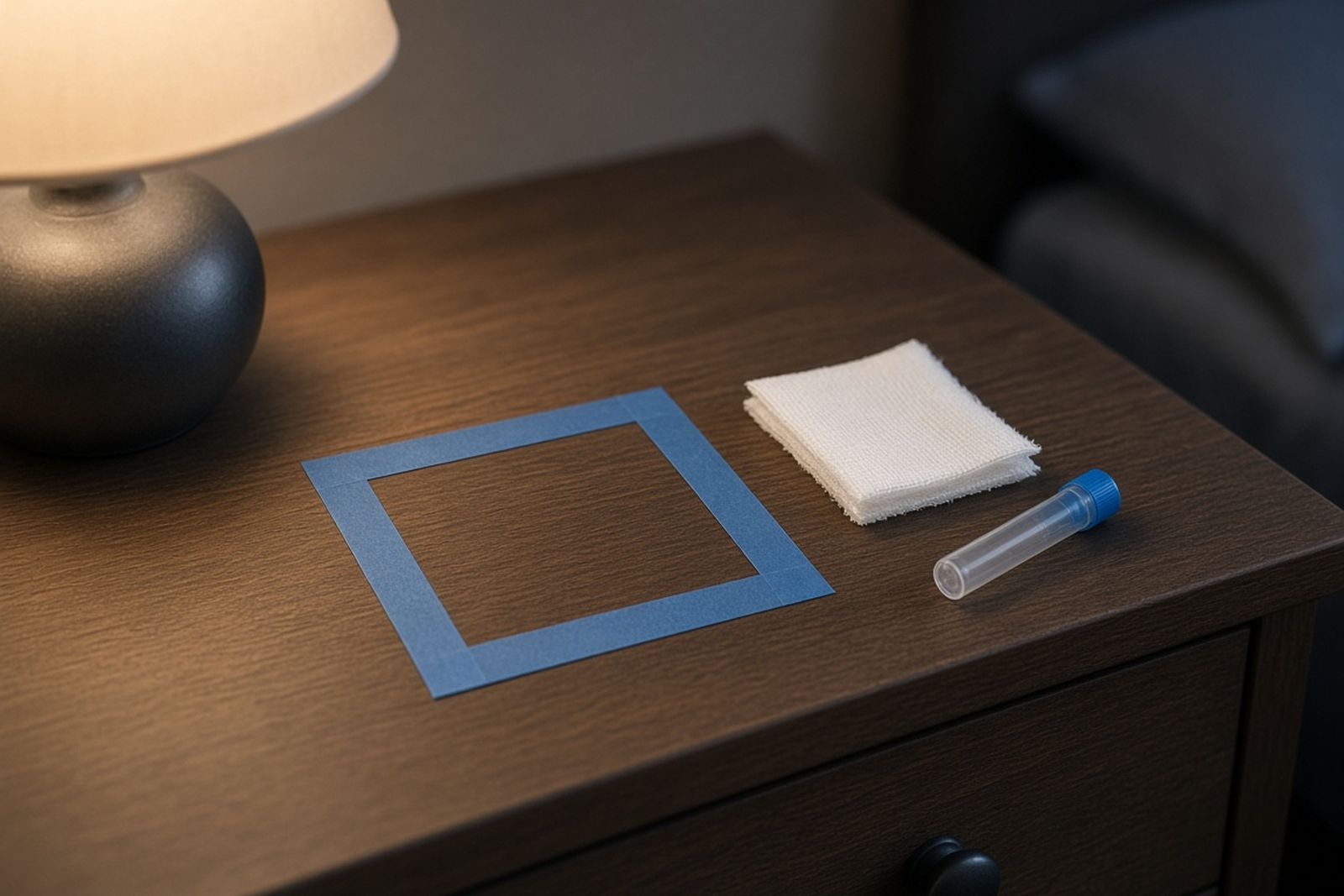
A clean-looking unit is not proof. Paperwork lets you show a tenant, buyer, insurer, or court that hazards were found, removed, and handled correctly. At the least, keep dated before and after photos. Keep a written list of every area searched and a photo list of items removed. Keep the names of products used on surfaces, and the disposal records. If testing was done, keep the form that tracks who handled the samples, and keep the lab report. If testing was advised but turned down, write down who turned it down and why. Checking the work is the second look. Walk through with the company. Do a second search of furniture gaps and closets. Make sure odors do not come back when the heating or cooling runs. Only then does the file support renting again, selling, or putting a vehicle back in service.