Drug Paraphernalia Cleanup: Choosing a Company
Evidence to request from drug paraphernalia cleanup providers: business identity, applicable training, insurance, scope assumptions, waste routing, verification, availability, and responsibility for subcontractors.
Posts in this group help you choose a company that treats drug debris as a safety issue, not a hauling job. You will find questions to ask before hiring. You will also find warning signs, such as crews that bag everything by hand or offer to paint over stains without cleaning. Other posts help you read claims about training and paperwork. Articles explain how to compare local and national companies and how to judge if a company will spot signs of drug making. They also explain why being willing to refuse some scenes can be a sign of skill, not weakness. Other posts explain which training records carry real weight for this work.
Get an email reply about drug paraphernalia cleanup
Send a short message to the follow-up inbox. A coordinator can reply by email. This form does not send emergency help; call 911 first if anyone is in danger.
Choosing carefully matters. You are relying on a crew to protect the next person who lives in or drives the space. A capable company describes its needle process in detail. It explains when it would pause for police or testing, and it carries naloxone without being asked. It should also be discreet with neighbors and tenants. Knowing what to ask lets you move fast without cutting corners, even when a unit must be ready soon. The posts also cover how to check references from property managers and what a clear sample report looks like. They explain why a company should describe where its needles go in plain words. Those details tell you far more than a slogan or a website badge.
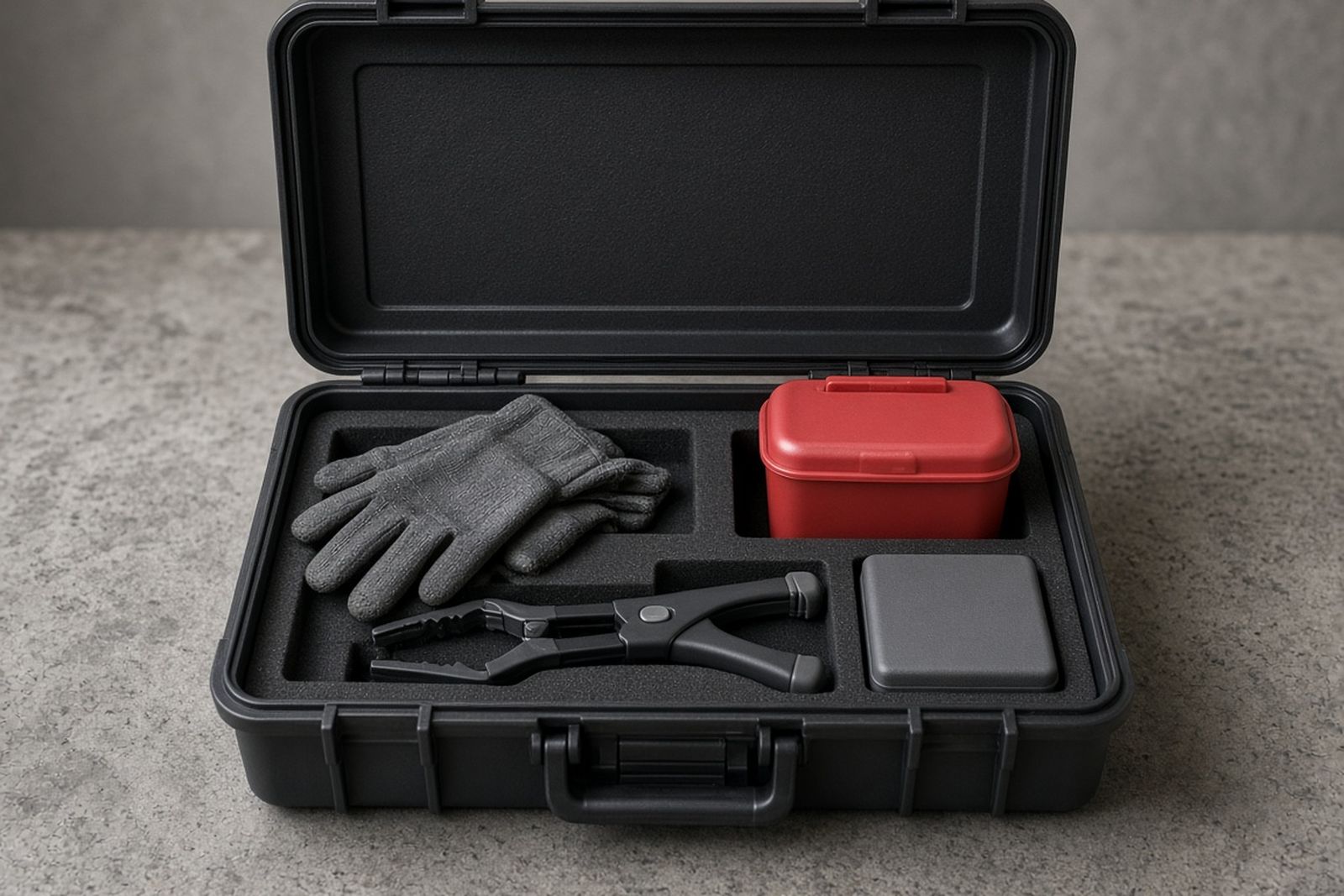
10 Questions to Ask Before Hiring a Drug Paraphernalia Cleanup Company
Before you hire a crew to clear pipes, foil, needles, or residue, ask these ten questions about sharps handling, fentanyl precautions, testing, and records.
Ask a drug paraphernalia cleanup company how it handles syringes and unknown powders, what protection its crews wear, whether it tests for residue before and after, how it decides what belongings to discard, where waste goes, how it prices surprises, what documentation you get, and how it treats privacy. Clear, specific answers to these ten questions separate trained specialists from general cleaners.

Red Flags When Hiring Drug Paraphernalia Cleanup Services
Scare tactics, fentanyl-free guarantees, and junk-hauler methods are warning signs. How to spot a drug paraphernalia cleanup company you should not hire.
Warning signs in a drug paraphernalia cleanup company include treating needles and pipes as ordinary junk, fear-based sales pitches about fentanyl, guarantees of a certified drug-free property, no plan for sharps or residue, no discussion of surface testing options, judgmental attitudes toward the person who lived there, and no written scope or disposal record. Qualified providers explain methods calmly and document their work.
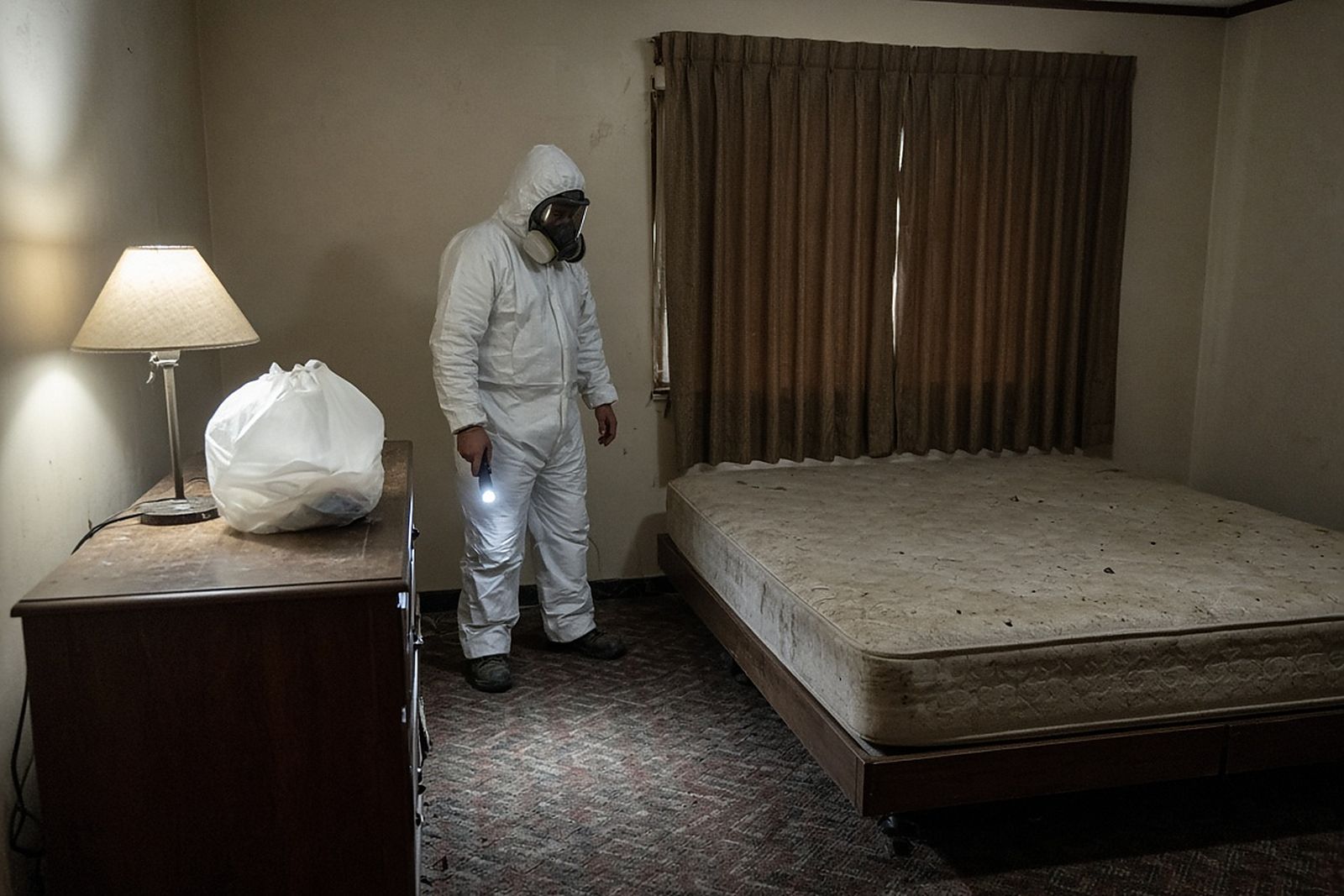
Training, Documentation, and Credentials for Drug Paraphernalia Cleanup
Which training, licenses, and records matter when hiring a drug paraphernalia cleanup crew? Sharps training, residue handling, state meth rules, and reports.
Drug paraphernalia cleanup has no single national certification. What matters is bloodborne pathogen training for sharps, hazard communication and respiratory protection training for residue work, state contractor certification where methamphetamine rules apply, proof of insurance, a legitimate disposal route for sharps and drugs, and a written completion report. Verify which state and local requirements apply to your property before hiring.
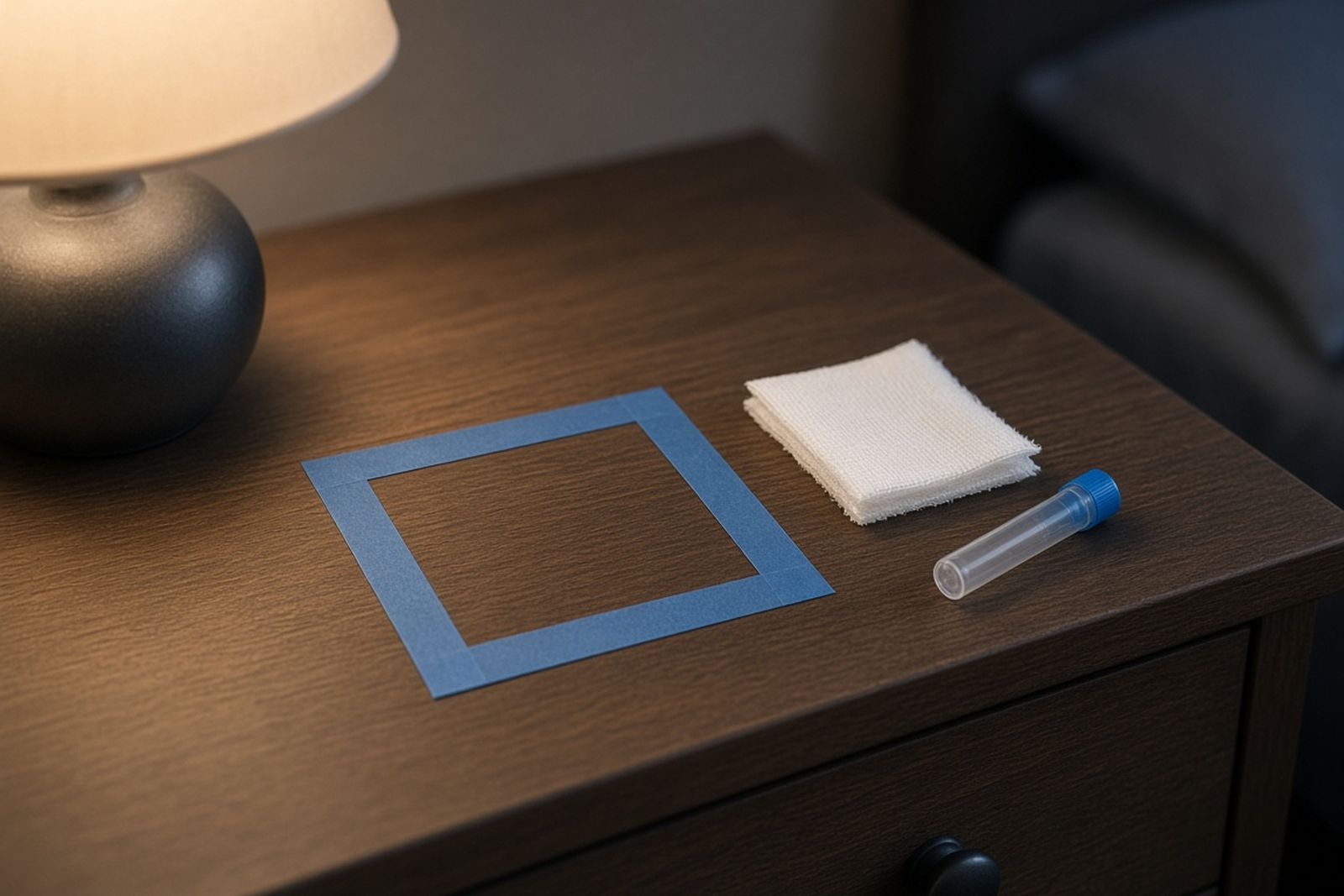
How to Compare Local and National Drug Paraphernalia Cleanup Providers
Local specialist or national brand for a paraphernalia cleanup? Compare who actually shows up, sharps disposal, local rule knowledge, discretion, and records.
Local and national drug paraphernalia cleanup providers can both do excellent work. Local firms often know area disposal rules, police and health contacts, and neighborhood patterns. National brands can offer consistent procedures and multi-site coverage but may dispatch franchisees or subcontractors. Compare them on who actually arrives, how sharps and residue are handled, where waste goes, what documentation you get, and how changes are approved.
Sourced figures on choosing a company
- 1 bleach rinse
In laboratory tests, one rinse with household bleach eliminated hepatitis C infectivity in contaminated syringes, whereas rinsing with water or 5% ethanol was ineffective.
Read with care: Laboratory conditions; cleanup crews should dispose of sharps in containers rather than disinfect them.
Source: Open Forum Infectious Diseases (2015)Laboratory reporter-virus assay, insulin and tuberculin syringes
- 1 µg/100 cm²
Washington's health department advises hiring a decontamination contractor if fentanyl residue exceeds the ACGIH surface limit of 1 µg per 100 cm².
Read with care: ACGIH's limit is an occupational surface value, not a residential health standard.
Source: Washington State Department of Health (2024)Washington State guidance for vehicles and property
- 0 federal standards
EPA states there are currently no state or federal standards for determining when a closed fentanyl lab site has been successfully remediated.
Read with care: Some local health departments and California have since adopted detection-based expectations.
Source: US EPA (2021)United States, as of 2021 guidance
These figures are public research and agency data, not this network's own job records. Keep each number with its population, year and limits; none of them predicts cost, timing or outcome at a specific property.
What research has found
Findings from published studies of people and properties in situations like this one. They describe what researchers observed in a specific group; they are not predictions for your case.
Rangehood and air-conditioner filters contained methamphetamine.
Residents reported sleep problems during exposure periods.
Choosing a Company: common questions
Can a general cleaning or junk-removal company handle paraphernalia?
Some can remove general debris after sharps have been cleared, but many lack the training, containers, and disposal arrangements for needles and unknown powders. Ask how they collect syringes, where sharps go, and how they avoid spreading residue. If the answers are unclear, bring in a specialist first and let general crews follow.
What should I ask about a provider's training for this work?
Ask if workers have training for handling blood, and how they are taught to handle unknown powders. Ask if they are trained to spot signs of drug making. Ask who on the crew decides to stop work and call in the authorities. Clear answers about real steps are more useful than a list of certificates.
Why would a good provider turn down a job?
A responsible company may decline or pause work when it sees signs of manufacturing, large amounts of drugs, or chemical hazards beyond its training. That protects its crew and you. A company willing to take any job regardless of what it finds may not recognize when a situation needs a different kind of response.
How can I tell whether a provider will respect my family's privacy?
Listen closely on the first call. A discreet provider asks what you need, offers unmarked vehicles or low-key arrival on request, explains how it stores photos and records, and talks about the person involved without judgment. Ask directly how the crew responds when neighbors ask questions. Vague or joking answers suggest the company may not protect your privacy once it is on site either.
Can a crime scene or trauma cleanup company handle paraphernalia jobs?
Often, since those companies already work with needles, blood, and safety gear. Drug debris jobs add their own concerns. These include unknown powders, residue from smoking, hidden stashes, and spotting signs of drug making. Ask how the company adjusts its methods for those hazards. Ask if it has done this kind of work in your type of property, such as rentals, motels, or vehicles.
Should a provider visit before I sign, or is a photo-based quote enough?
For a small, clearly visible job, a quote based on good photos may be reasonable. For anything involving syringes in several places, clutter, powder, or soft goods, an on-site look usually produces a more accurate scope and fewer surprises. Ask the provider what it can and cannot judge from photos. A company that insists on a visit for complex jobs is usually being careful, not difficult.
What if the provider I prefer cannot come for several days?
If the space is locked up and no one is at risk, waiting for a better company is often wiser than hiring the first crew that is free. Keep the area closed, and keep people and pets out. Ask if the company can come look sooner or remove the needles first. If the space must be used sooner, compare the options that are free using the same questions you asked your first choice.
Related community polls
Every count is a real visitor vote; nothing is seeded or padded. One vote per poll per device, and you can change your answer.
You open a vacated rental and see foil, a pipe, and one syringe. What is your first move?
Which hazard worries you most in a unit with drug debris?
More on drug paraphernalia cleanup
Drug Paraphernalia Cleanup services
See how needle pickup, residue cleaning, vehicle work, and turnover paperwork fit together, and what to expect from a company on site.
Costs explained
What drives the price, published cost ranges, and how to read a written quote line by line.
Insurance and payment
Which policies may respond, how to document a claim, and what to do if coverage is denied.
Planning tools
Work through planners, classifiers, and checklists built for rentals, motels, vehicles, and vacant homes where drug debris has been found.
Community polls
Compare your gut calls with other owners and managers on police reports, what to tell tenants, who pays, and when lab testing is worth it.
Knowledge quiz
Test whether you would make the safer call when you find foil, pipes, syringes, or unknown powder, then review the study guide.