Short answer
Warning signs in a drug paraphernalia cleanup company include treating needles and pipes as ordinary junk, fear-based sales pitches about fentanyl, guarantees of a certified drug-free property, no plan for sharps or residue, no discussion of surface testing options, judgmental attitudes toward the person who lived there, and no written scope or disposal record. Qualified providers explain methods calmly and document their work.
Why choosing the right company is harder than it looks
Drug paraphernalia cleanup usually comes at a hard moment. You might be a landlord reclaiming a unit after an eviction, a parent clearing a grown child's room, a hotel manager after a difficult guest, or a family member settling the home of someone who died from an overdose. You want the space safe and the reminders gone, and you often want it done quickly and discreetly.
That urgency makes it easy to hire the first company that sounds confident. Some providers are excellent. Others are junk haulers who added the service to their website, and a few rely on fear to push expensive work you may not need.
The warning signs below help you sort them out. They focus on what matters most in this niche: handling sharps and residue safely, being honest about what testing can and cannot show, respecting the people involved, and leaving you with clear records.
Signs a company is really just hauling junk
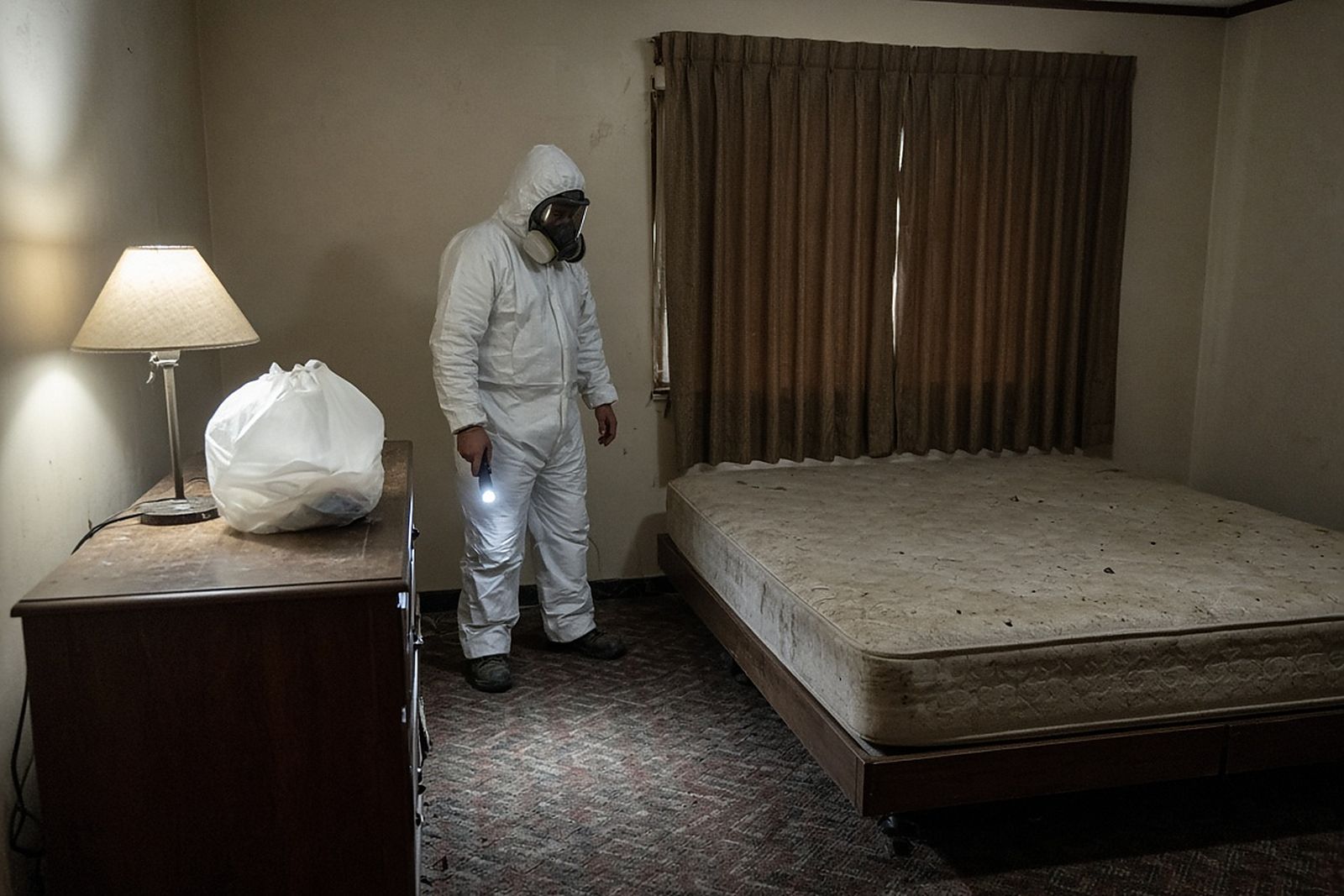
Paraphernalia cleanup is not the same as a cleanout. The job may involve syringes, broken glass pipes, foil with residue, razor blades, small bags with powder, and surfaces where drugs were smoked or prepared. Each of those needs a specific approach.
Listen to how a company describes its work. If the plan is to shovel everything into contractor bags and drive it to the dump, the crew is creating risk for itself, for waste workers, and potentially for you if anything is left behind.
Ask, too, whether the crew checks hidden spots. Paraphernalia often ends up inside mattress seams, heating vents, drop ceilings, toilet tanks, and the pockets of clothing left behind. A junk hauler clears what is visible. A paraphernalia specialist searches methodically, because a single missed syringe in a couch cushion can injure the next person who sits down.
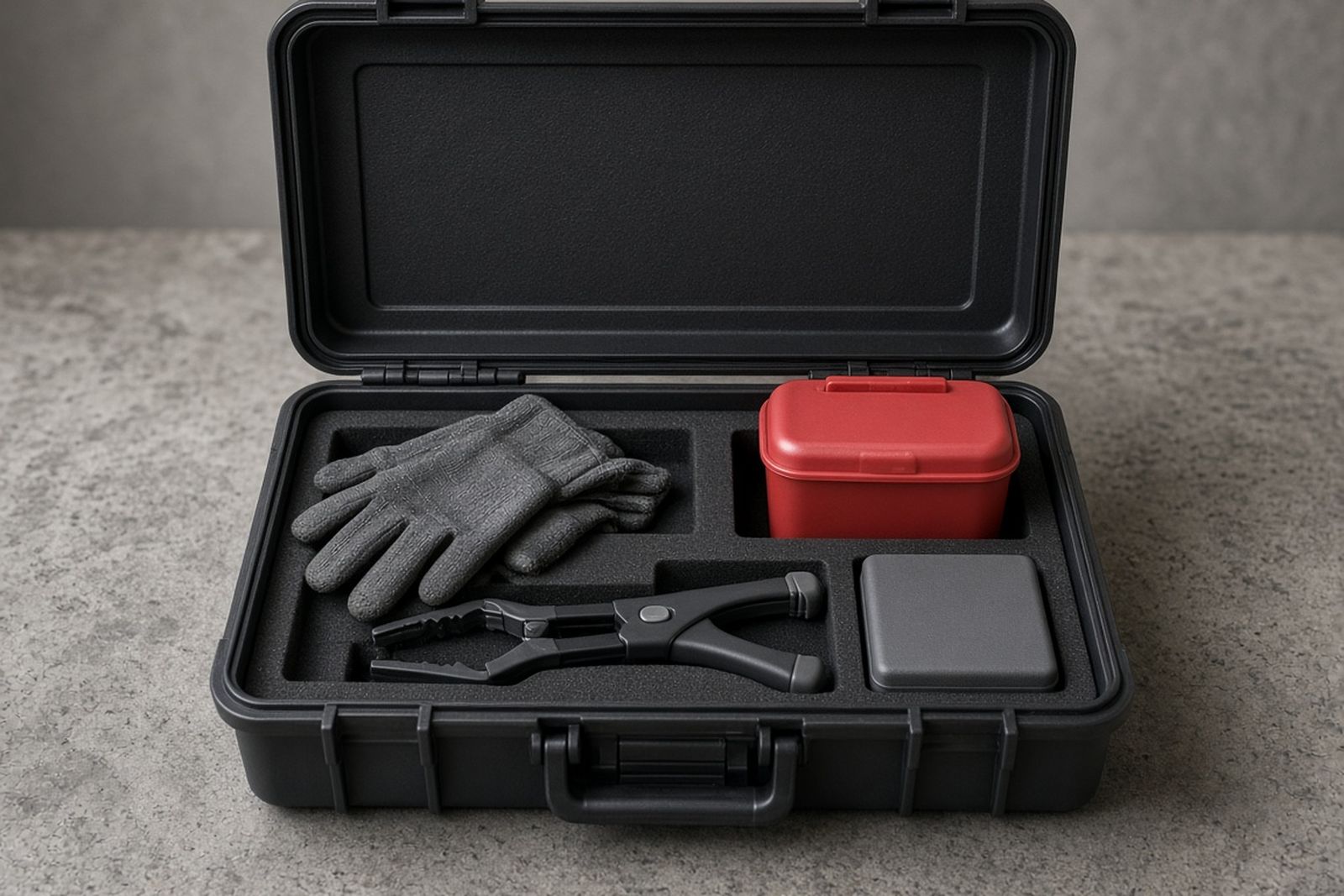
- No mention of sharps containers or tools for picking up needles.
- Plans to bag syringes with ordinary trash.
- No approach for broken glass pipes and razor blades.
- No plan for cleaning surfaces where drugs were smoked or prepared.
- No discussion of protective equipment for the crew.
- Leftover drugs thrown away without a legitimate disposal route.
Fear-based pitches and impossible promises
Fentanyl has changed how many people think about drug residue, and some companies use that fear to sell. You may hear that simply touching a surface can cause an overdose, or that your home is deadly until they treat it. Claims like that deserve scrutiny.
Medical toxicology groups have publicly pushed back on claims like these, and brief, incidental skin contact is not how overdoses happen in practice. A provider that repeats the scariest version of the story is either misinformed or selling.
That does not mean residue should be ignored. Visible powder, heavily contaminated surfaces, and sharps all call for care and proper protection. It means a reputable provider will explain risks accurately rather than exaggerating them to raise the price. Calm, specific explanations are a better sign than dramatic ones.
Be cautious of any company that promises to certify your property as drug-free, fentanyl-free, or fully decontaminated to a government standard. For fentanyl in particular, there is no widely adopted cleanup standard to certify against.
State law is similarly thin where fentanyl is concerned. Methamphetamine is different in many states, with established cleanup rules for properties where it was manufactured, but those rules are written for labs, not for rooms where drugs were used.
A trustworthy provider will say plainly what it can document: what it removed, which surfaces it cleaned, what products it used, and, if testing was done, what the lab results showed. If you are unsure whether any cleanup standard applies to your property, your state or county health department can tell you.
Should a good company talk about testing?
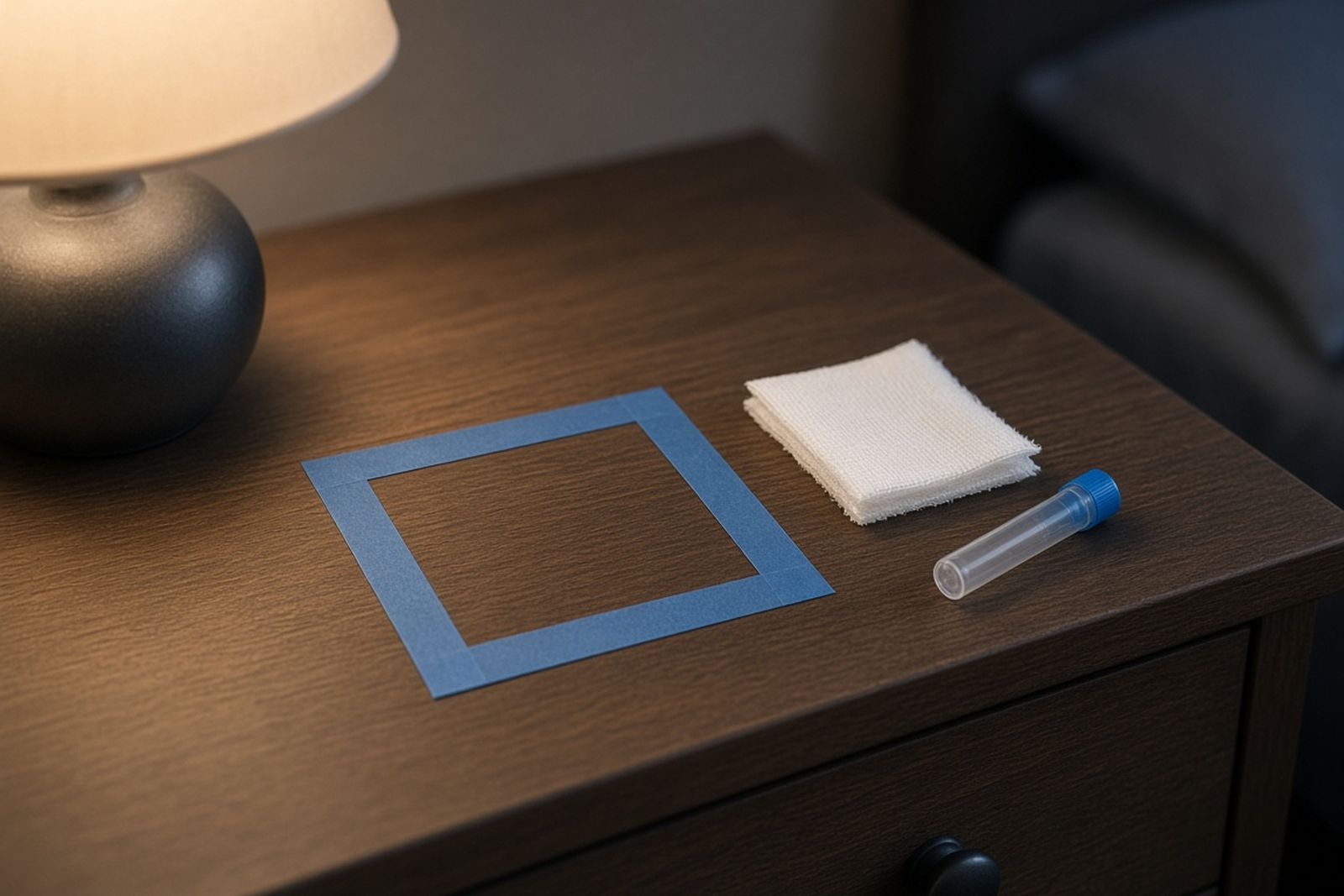
Testing is not always necessary for a typical paraphernalia cleanup, but it should be part of the conversation. A knowledgeable provider can explain when surface wipe sampling might make sense, such as in a rental where heavy smoking of methamphetamine or fentanyl is suspected, or before a new tenant with young children moves in.
They should also be honest about the limits. Results depend on where samples are taken and which lab analyzes them, and a clean result on a few surfaces does not prove the entire property is clear. Some companies work with independent consultants for testing so the same business is not both cleaning and grading its own work.
Be wary if a company refuses to discuss testing at all, or, on the other hand, insists on expensive testing before explaining why it is needed for your situation.
Attitude as a signal of quality
The way a provider talks about the person who used the space tells you a lot. Many people who leave paraphernalia behind are struggling with addiction, and some have died. Families and landlords may be grieving, angry, or both.
A company that jokes about users, makes judgmental comments, or shows little discretion may also be careless with your property and your privacy. Crews that work in this field regularly should know how to be respectful, keep their vehicles unmarked if you ask, and avoid discussing the job with neighbors.
If the space belonged to someone who died, the provider should also be prepared to handle personal belongings carefully. Letters, photos, and keepsakes found among the paraphernalia should be set aside for the family rather than thrown out. If you or someone close to you is struggling with thoughts of suicide after a loss, you can call or text 988 to reach the 988 Suicide and Crisis Lifeline.
Paperwork gaps
A qualified company puts its plan and its results in writing. That protects you if a tenant, buyer, insurer, or family member asks later what was done.
Be cautious if the estimate is a single number with no description, if the company cannot say where sharps and other waste will go, or if it will not provide proof of insurance. For rental and commercial properties, missing documentation can become a bigger problem than the cleanup itself.
- No written scope listing rooms, surfaces, and items included.
- No explanation of how sharps and drugs will be disposed of.
- No record of products used on surfaces.
- No photos or completion report.
- No certificates of liability and workers' compensation insurance.
Two calls after an eviction
One made-up but familiar situation shows these warning signs side by side. After a court-ordered eviction, a small-building landlord walks into a vacated one-bedroom unit for the first time in months. Inside, they find syringes in a nightstand, burned foil on the bathroom counter, several glass pipes, and a few small bags with residue. The next tenant is scheduled to move in within a few weeks.
The first company the landlord calls says the unit is a toxic hazard, quotes a large fee over the phone, and promises a fentanyl-free certificate. The second company asks questions, visits the unit, and explains its plan: collect sharps with tools into rigid containers, bag pipes and foil separately, discuss how to handle the leftover drugs according to local guidance, clean and wash the bathroom and bedroom surfaces, and offer optional wipe testing by an independent lab if the landlord wants it.
The landlord hires the second company. At the end, they receive a written report with photos, a list of items removed, the products used, and the disposal route for the sharps. When the new tenant asks about the unit's history, the landlord can answer honestly and show exactly what was done.
What does a good first conversation sound like?
You can often judge a provider in a ten-minute call. A good one asks what you found and where, whether anyone has touched anything, who will live in the space next, and whether police are involved. It explains its general approach without drama and offers a site visit or photo review before quoting a firm price.
It also answers your questions directly. How will you handle needles? What will your crew wear? Where does everything go? What will I receive when you finish? Do you recommend testing in my situation, and why or why not?
When the answers are calm, specific, and respectful, you have likely found a company worth hiring. When they are vague, alarming, or dismissive, keep looking. The right provider makes a hard situation more manageable, not more frightening.