Short answer
Drug paraphernalia cleanup cost is driven mostly by what was found and how far it spread. A few pipes and foil sheets in one room is a short debris job. Loose syringes, unknown powders, months of smoking residue on walls and vents, or a need for lab testing all add labor, protective gear, disposal fees, and time. Ask for a line-item quote that explains each driver.
Why there is no single price
Two properties can both be described as having drug paraphernalia and still be completely different jobs. One might be a motel room with a glass pipe and a lighter on the nightstand. Another might be a house where someone used heavily for a year, leaving syringes in couch cushions, burned foil behind the dresser, and a film of residue on every wall. The label is the same; the work is not.
That is why honest providers are reluctant to give a firm number over the phone. They can describe a range of what drives the price, but they need to see the space, or at least detailed photos, before committing to a figure. If someone quotes you a flat rate sight unseen, ask what happens when the crew finds more than expected.
The sections below walk through the main factors that move a quote up or down, so you can read an estimate with a clear sense of what you are paying for and ask better questions before you sign.
The type of paraphernalia matters most
It matters more than almost anything else. Solid items like pipes, bongs, rolling papers, scales, and empty baggies are relatively simple. A technician in gloves can collect them, bag them, and move on. The labor is mostly searching and sorting.
Syringes change the job. Each needle has to be picked up with a no-touch tool, placed in a puncture-resistant container, and counted. Crews have to search carefully in places where needles hide, such as mattress seams, heating registers, drop ceilings, and the undersides of drawers. That slows everything down and requires sharps containers and a compliant disposal route.
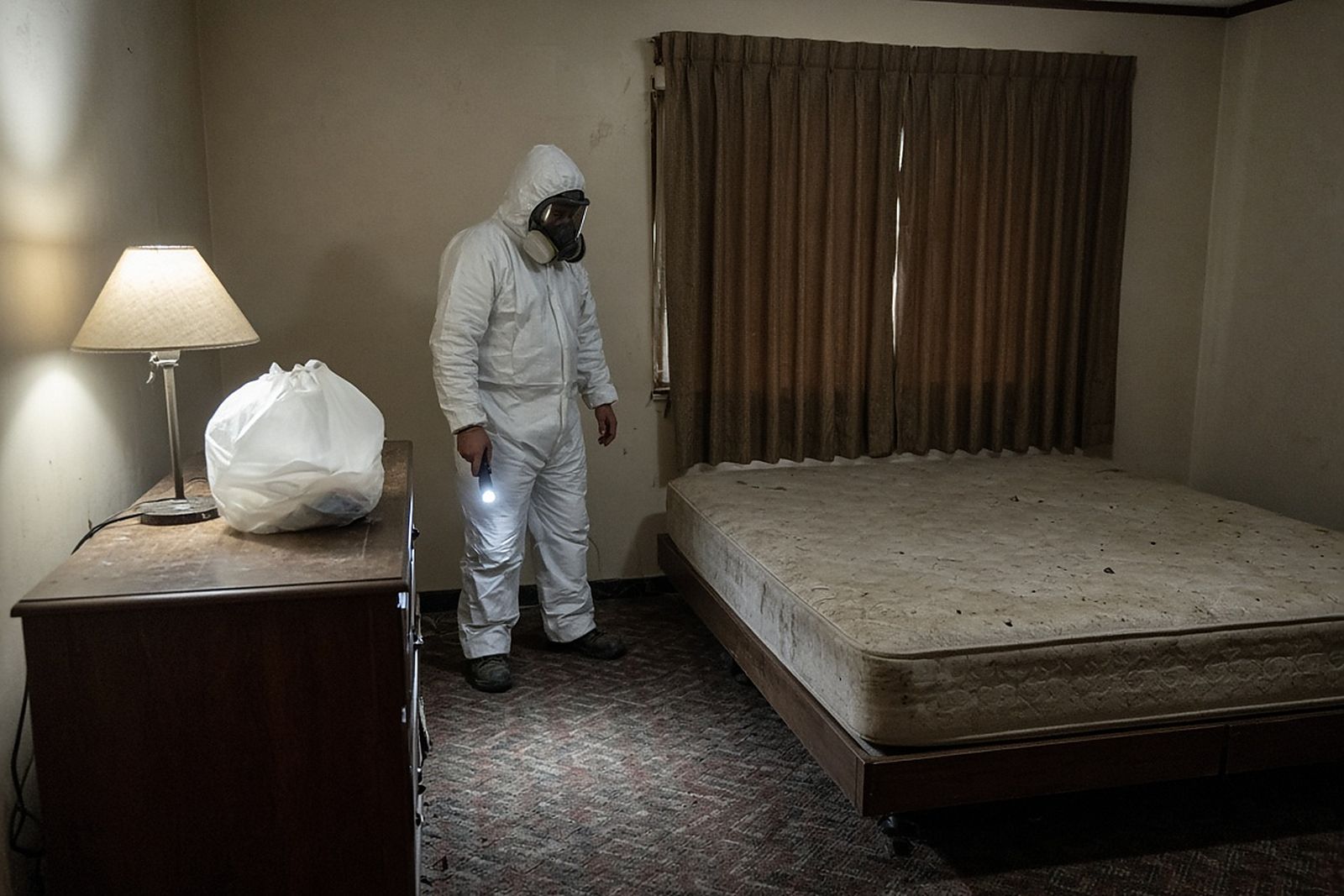
Unknown powders and residues are the most variable. If there is any chance of fentanyl or another potent substance, the crew may need to set up containment, wear respiratory protection, and handle materials more cautiously. That changes the gear, the pace, and sometimes the number of people on site.
- Solid debris only: usually the simplest scope.
- Syringes present: added search time, sharps containers, and regulated disposal.
- Unknown powders: containment, respirators, and possible sampling.
- Mixed findings across several rooms: longer search and more waste streams.
Smoke residue on walls and vents
When drugs are smoked indoors repeatedly, residue can settle on walls, ceilings, window coverings, carpets, and inside the HVAC system. It may show up as a yellowish or grayish film, or it may be invisible. Cleaning it means washing hard surfaces, sometimes more than once, and deciding what to do with soft goods that absorbed it.
Carpet, padding, mattresses, and upholstered furniture that sat in a heavily used room are often removed rather than cleaned, because residue can work deep into fibers. Removal adds labor and landfill or disposal fees, and replacement is a separate cost you will want to budget for.
HVAC is its own line item. If the system ran while people were smoking, residue can be carried through the ducts to other rooms. Cleaning or replacing filters is simple; cleaning ductwork is a larger job that may involve a separate specialist.
When does testing become part of the cost?
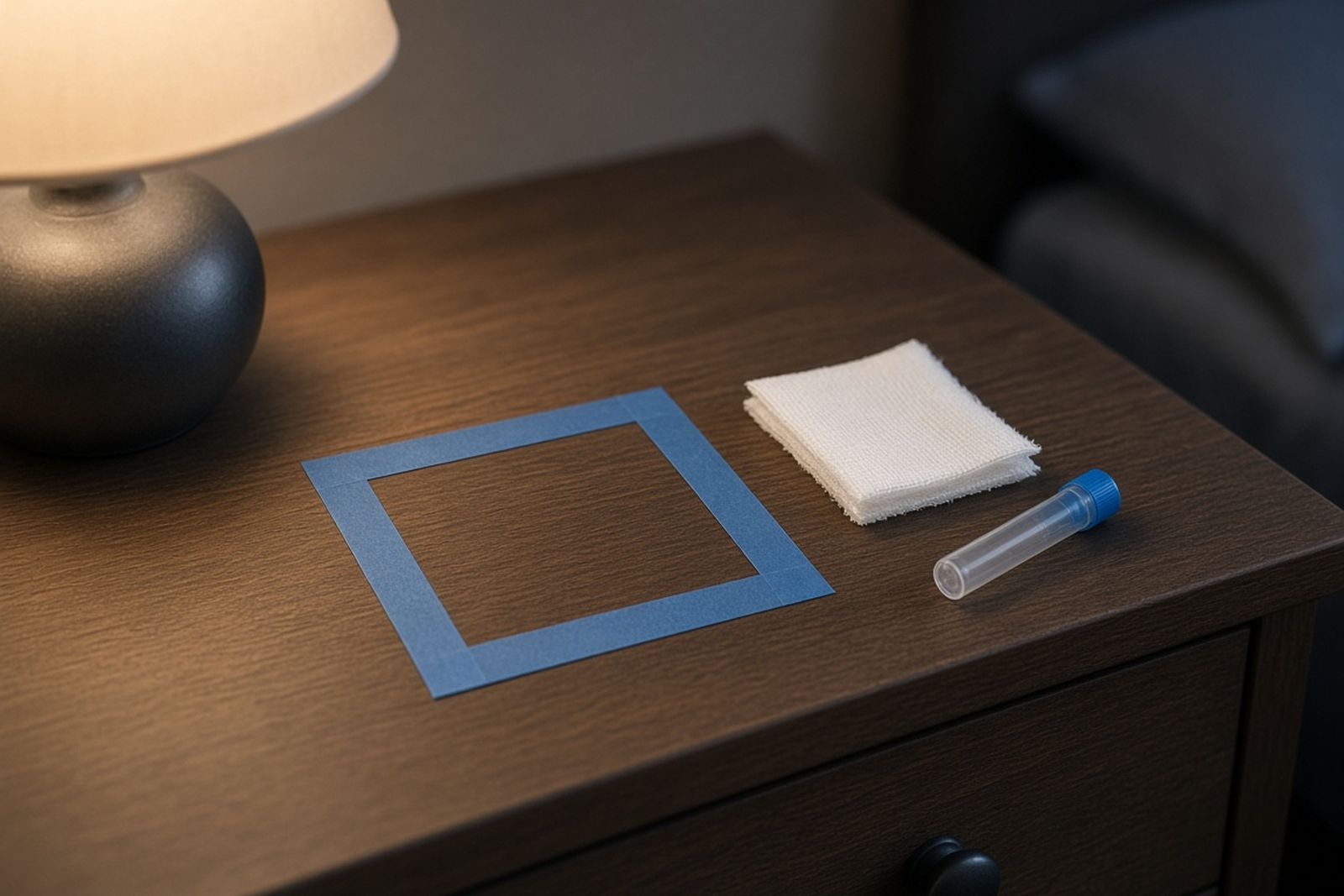
Testing adds a real expense, but it can also save you from paying for work you do not need. Surface wipe samples, sent to a laboratory, can show whether residue is present at levels worth addressing. Some owners test before cleaning to decide on scope and again afterward to confirm results.
There is not yet a uniform national standard for every drug, and the cleanup values that do exist were mostly written for former drug labs, a more severe category than typical paraphernalia sites. That is why providers and property owners often rely on state guidance, lab results, and professional judgment rather than a single rule.
Ask whether testing is included, who collects the samples, which lab analyzes them, and how quickly you will receive written results. Lab turnaround can affect how long the unit sits empty, which is its own cost if you are a landlord.
Size, access, and clutter
A small, empty room is quick to search. A crowded apartment full of clothing, furniture, and trash is not. When paraphernalia is mixed with belongings, crews have to go through items one at a time so they do not miss a needle or a baggie of powder. Heavy clutter can turn a half-day job into several days.
Access matters too. Upper floors without elevators, tight crawlspaces, vehicles, and outdoor areas such as sheds or yards all affect how long the work takes and how waste is moved out. If the property is occupied, crews may need to work around residents or schedule in phases.
Vehicles and timing
Vehicles are a special case. Paraphernalia in a car or truck tends to hide under seats, in door pockets, and inside the headliner or vents. The space is small, but the search is detailed, and fabric interiors can hold residue.
Timing plays a role as well. A unit that has been closed up for weeks in warm weather may have stronger odors and more settled residue than one found the day after a tenant left. Waiting rarely makes the job cheaper, so once you have documented the scene and made any required reports, it is usually worth scheduling the assessment promptly.
An illustrative studio turnover
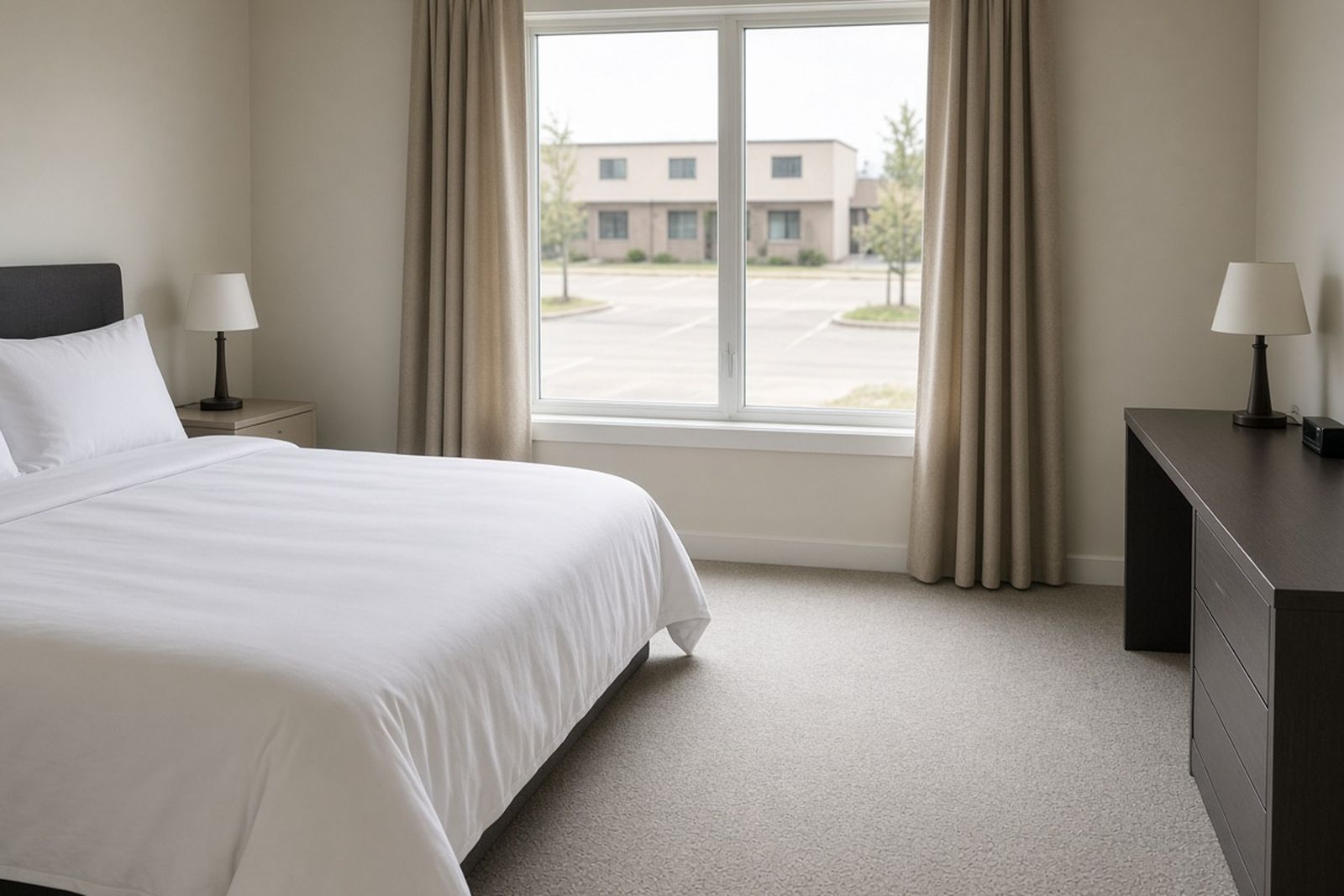
To see how the factors combine, walk through an illustrative case. Say you manage a studio apartment. After a tenant moves out, maintenance finds burned foil squares in the bathroom, two glass pipes in a kitchen drawer, a capped syringe behind the toilet, and a faint chemical odor. The carpet is stained, and the bathroom exhaust fan is coated with dust.
A provider would likely price several pieces separately. The debris search and collection would be one line, including the syringe and a small sharps container. Hard-surface cleaning of walls, counters, and fixtures would be another. Carpet and pad removal might be recommended given the staining and odor. The exhaust fan and HVAC filter would be cleaned or replaced. The provider might also suggest pre-cleaning wipe samples in the bathroom and bedroom area.
If the samples come back low, you might skip heavier decontamination and move straight to repainting and new flooring. If they come back higher, you would have a documented reason for the added work. Either way, a line-item quote lets you see where the money goes and decide which pieces you need.
Other fees that may appear
Beyond labor, several smaller items can add up. None of them are unusual, but they are worth understanding before you compare quotes, because some companies bundle them and others list them separately.
- Sharps containers and regulated medical waste disposal for any needles.
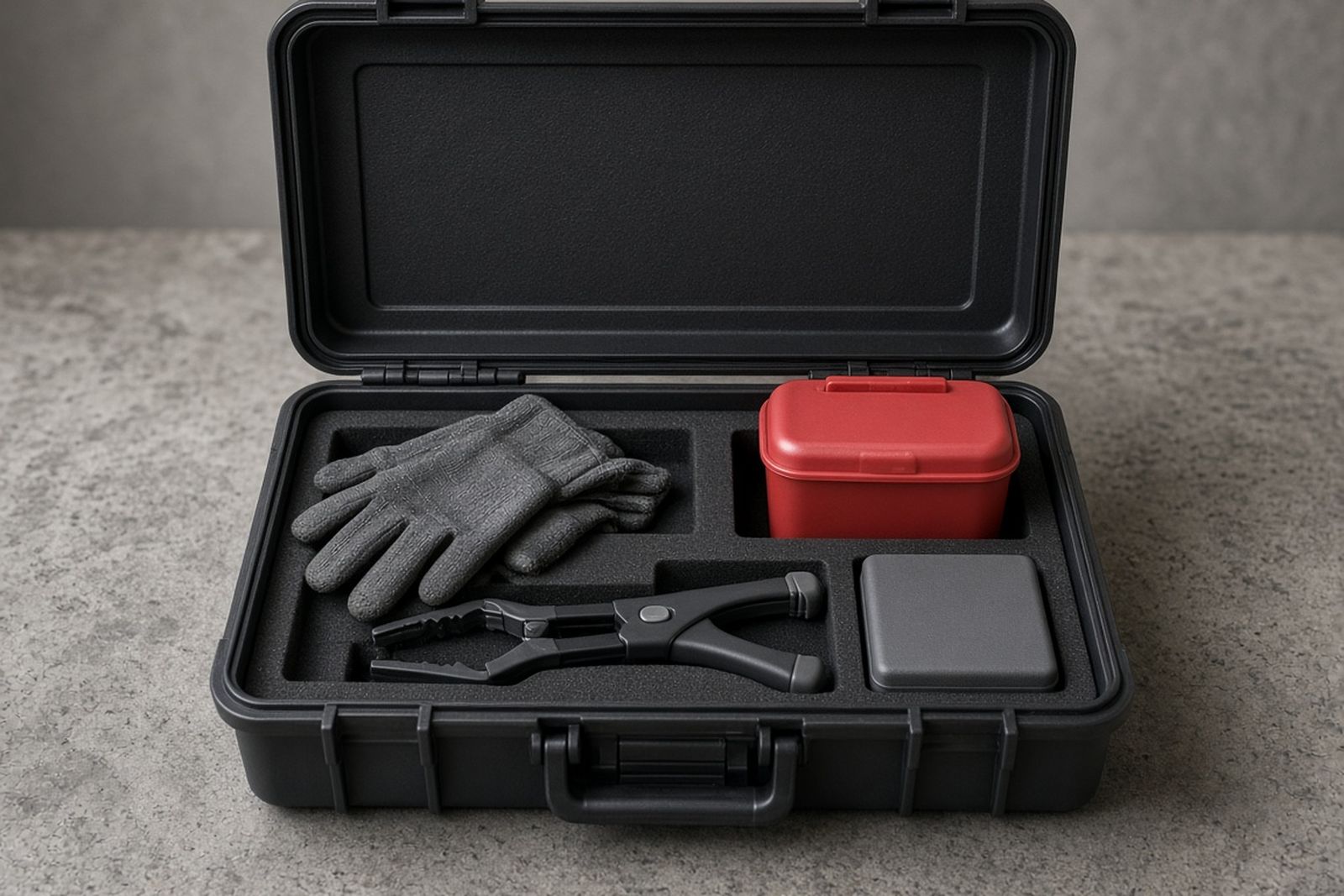
- Personal protective equipment, including suits, gloves, and respirator cartridges.
- Containment materials such as plastic sheeting and negative air machines for heavier jobs.
- Laboratory fees for wipe samples, if testing is part of the plan.
- Dump or hauling fees for carpet, mattresses, and other bulk items.
- After-hours or weekend scheduling, if you need the work done urgently.
How can you compare quotes fairly?
Ask every provider to price the same scope in the same format. A low quote that leaves out carpet removal or testing is not really cheaper if you have to pay for those items later. Line items make this comparison possible.
Ask how each company handles surprises. What happens if they find more syringes than expected, or a powder that needs special handling? A good provider will explain how change orders work and will call you before adding significant cost.
Finally, ask what documentation you will receive. Before-and-after photos, a list of materials removed, sharps disposal records, and any lab results are useful for insurance, for a future tenant, and for your own records. A company that provides clear paperwork is usually one that takes the work seriously. Your city or county housing office can tell you whether any reporting or specific cleanup steps are required before a unit can be re-rented.
Should you try to handle some of it yourself to save money?
It is tempting to pick up the obvious items yourself and bring in professionals only for the rest. For solid, clearly identifiable items like an empty bong or rolling papers, a careful adult with sturdy gloves may be able to bag them. But syringes, unknown powders, and anything that might contain fentanyl are not worth the risk. Leave those to trained crews with the right containers and protection.
If you are dealing with this because someone you love was using, the practical steps can sit alongside a lot of emotion. It is okay to let a professional handle the physical work so you can focus on the person. If substance use has left someone in crisis, or if you are worried about their safety, the 988 Suicide and Crisis Lifeline is available by call or text at 988.