Get an email reply about drug paraphernalia cleanup
Send a short message to the follow-up inbox. A coordinator can reply by email. This form does not send emergency help; call 911 first if anyone is in danger.
How these services fit together
Some jobs need only one service, like removing a few syringes from a parking area. Others need all four, such as a house left empty after a long period of drug use. The crew should look first and then tell you which parts your space needs.
Every service here shares the same starting rule. Unknown powders are treated as risky until proven safe. That shapes how the crew moves, what they wear, and how slowly they work.
The services, one by one
Needle & Syringe Removal
Who it is for: Landlords, motel owners, and property managers who find syringes inside units, in cars, or around the building.
Workers search each room, including under cushions, inside mattresses, and behind vents. Each needle is lifted with a tool and dropped into a hard sharps box. Needles are never snapped, capped, or bagged with trash. If the crew sees signs of drug making, they stop and tell you.
What you should get: A written count of syringes found and where, plus a record of which medical waste hauler took them.
Drug Residue Decontamination
Who it is for: Owners of homes, rentals, or cars where drugs were smoked, snorted, or prepared on surfaces.
First the crew decides whether this is leftover use or possible drug making. They clean with wet methods and never sweep powder. Bathrooms, counters, and other surfaces people touch often get the most attention. Soft items with heavy stains may be thrown out after you approve.
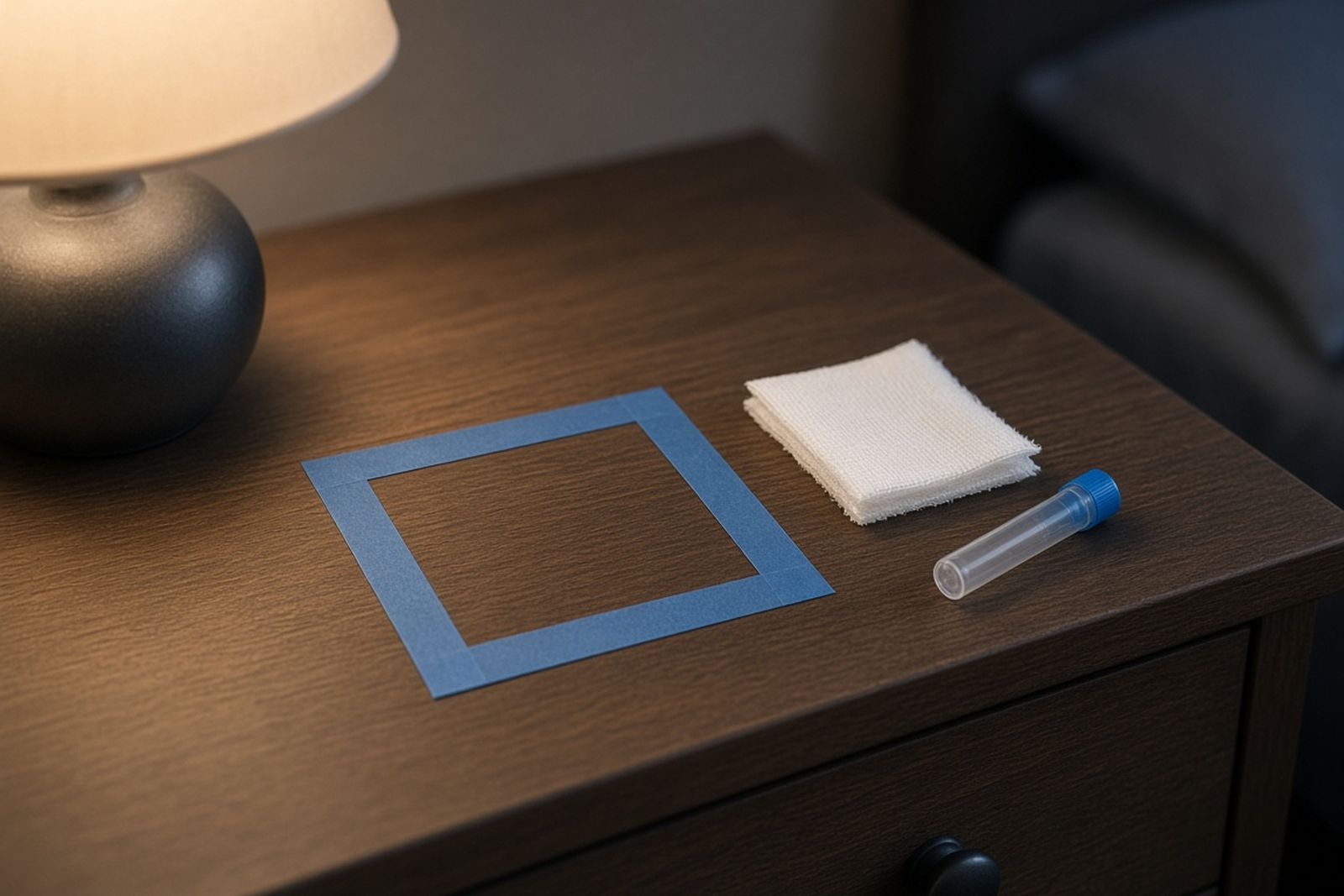
What you should get: Photos before and after, a list of surfaces cleaned, and a note on whether testing is advised.
Abandoned Property Cleanup
Who it is for: Landlords, banks, and new owners who take back a unit or home left full of trash and drug items.
The crew locks down the space and lists hazards before moving anything. Needles and body fluids come out first, then general trash and belongings. Hard surfaces are cleaned and disinfected afterward. If stains or odors hint at drug making, the crew flags it right away.
What you should get: A written summary for your files, photos for insurance, and advice on keeping the space closed until work is done.
Fentanyl Safety Protocol
Who it is for: Any job where powders, pills, or residue may contain fentanyl or other strong opioids.
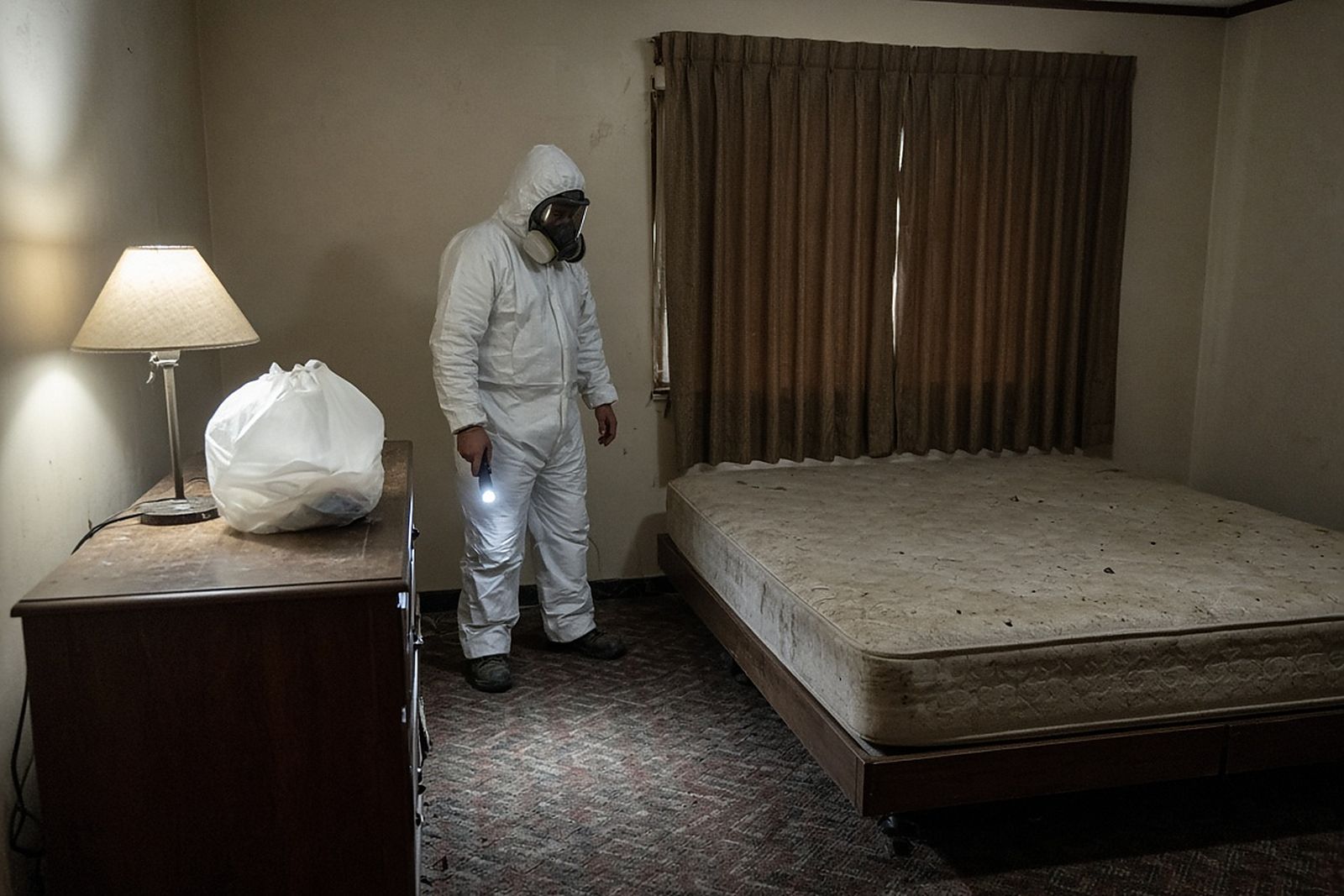
Unprotected people stay out while the crew works. Workers wear gloves, eye protection, and masks, and they wet powders to keep dust down. They never use air hoses or brooms on possible opioid residue. Gloves are changed often, and tools are cleaned before leaving.
What you should get: A note of what safety steps were used and how the waste was packed. If large amounts of drugs were found, the crew will say who was contacted.
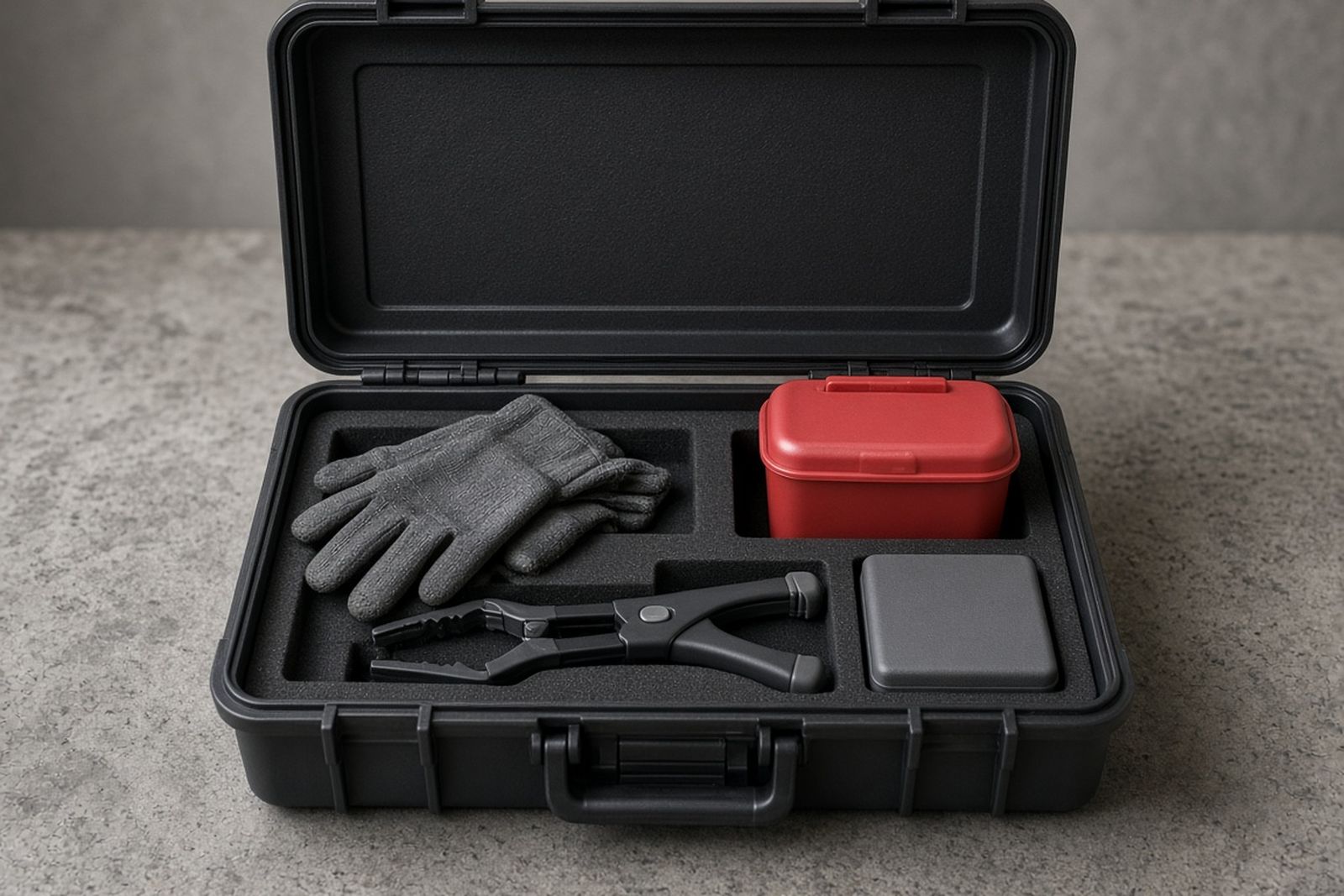
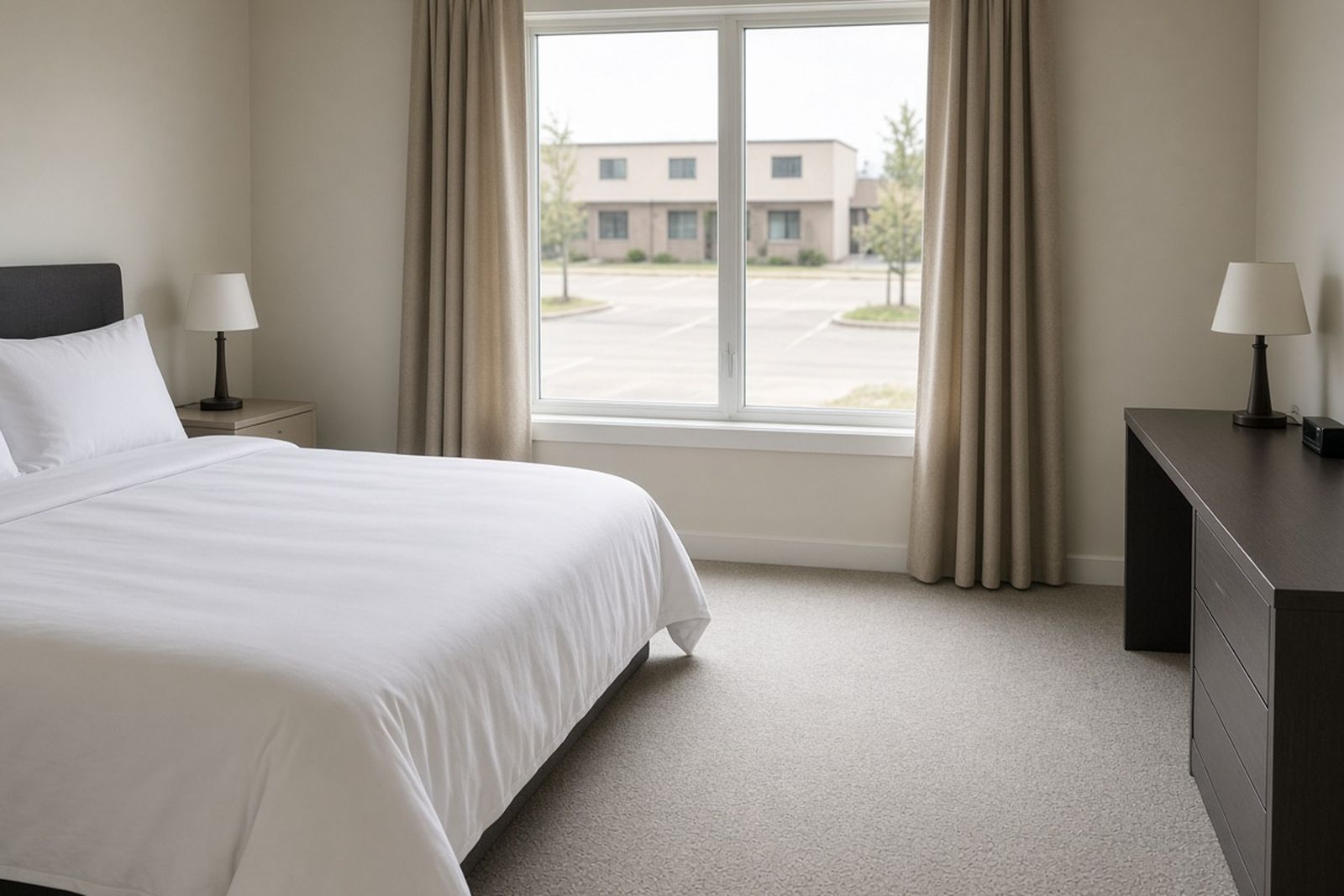
Illustrative photo, not a job record. Open case holding puncture-resistant gloves, grabber tongs, a small sharps container and a kit.Illustrative photo, not a job record. Motel room after cleanup with fresh white bedding, new carpet and open curtains.
Drug Paraphernalia Cleanup in numbers
0 of 25
Of 53 children referred to a UK hospital for community needlestick injuries between 1995 and 2003, none of the 25 who completed six-month testing were positive for HIV or hepatitis B or C.
Read with care: Small sample and less than half completed follow-up.
Even if both palms were fully covered with fentanyl transdermal patches, it would take about 14 minutes to absorb 100 mcg, and patches take 3–13 hours to reach therapeutic blood levels.
Read with care: Illicit powders and analogs vary; the statement addresses brief incidental skin contact.
Laboratory studies cited by the Canadian Paediatric Society found HIV surviving up to 42 days inside syringes, depending on temperature, while hepatitis B survives about one week.
Read with care: Virus survival in a syringe does not equal efficient transmission from a dry discarded needle.
These figures are public research and agency data, not this network's own job records. Keep each number with its population, year and limits; none of them predicts cost, timing or outcome at a specific property.
What this cleanup does not cover
Full meth lab cleanup and testing. Contact your state or local health department for approved lab cleanup firms.
Criminal investigation. Police handle drug crimes and any evidence.
Addiction treatment. SAMHSA's free helpline, 1-800-662-4357, can connect you to local care.
Rebuilding or painting. A general contractor or painter can finish the unit.
Legal advice on evictions or deposits. Talk with a landlord-tenant lawyer.
Once the crew leaves
Stale smoke or chemical smells may hang around after cleaning. Airing the space out helps. If a strong smell stays, ask the crew whether testing makes sense, since lasting chemical odors can mean deeper residue. Then plan any painting, flooring, or repairs.
File the photos, summary, and any lab results together. If a loved one was involved, finding these items can bring up hard feelings. Talking with a counselor, a family support group, or calling 988 when you feel overwhelmed can help you through it.
Findings from published studies of people and properties in situations like this one. They describe what researchers observed in a specific group; they are not predictions for your case.
Frequently finding drug-containing syringes was associated with higher adjusted injury odds.
Every count is a real visitor vote; nothing is seeded or padded. One vote per poll per device, and you can change your answer.
Your experience
You open a vacated rental and see foil, a pipe, and one syringe. What is your first move?
No visitor votes yet
Safety
Which hazard worries you most in a unit with drug debris?
No visitor votes yet
Your experience
When a company vehicle comes back with paraphernalia inside, what should happen?
No visitor votes yet
Before you hire: drug paraphernalia cleanup questions
Does the crew need to know if a tenant might come back?▼
Yes. Let the crew know about anyone who might still have a key or might return. They may ask you to change the locks before or after the job. This protects workers from surprises and keeps a cleaned space from being used again. Follow your state's rules on removing tenants and their things.
How are pipes and foil disposed of?▼
In most places, used pipes, foil, and baggies can be bagged and thrown out as regular trash once they are sealed. Syringes are different and go to a medical waste hauler. Large amounts of drugs may need to go to police. Rules differ by place, so ask the crew how they handle each type.
Can a crew clean a car with drug items inside?▼
Yes, many crews clean cars. They look under seats, in door pockets, the trunk, and the glove box. Needles often hide in seat gaps. The inside is wiped with wet methods, and fabric seats may be shampooed. If a car was used to make drugs, it may need testing like a home would.
What if the crew finds a large amount of drugs?▼
They will stop work and tell you. You or the crew will likely need to call the police, who decide what happens to the drugs. Don't try to flush or trash large amounts yourself, and don't move them to another room. Work can usually pick up again once police have taken the drugs away and said the space is clear.
Why might a crew recommend lab testing after cleaning?▼
Testing checks for drug residue you can't see. A crew may suggest it if they found signs of drug making, lasting chemical smells, or heavy staining. Testing gives you proof a space is safe for the next people. Some states require testing when a lab was found, so check with your health department.
Can the crew work in a unit next to people who live there?▼
Yes. Crews often work in apartment buildings while neighbors are home. They keep doors closed, use wet methods, and carry waste out in sealed bags so nothing spills in the hallway. Many can arrive in plain vehicles if you ask. Let neighbors know there will be work that day, but you don't have to share details.
Will my pet be at risk in a room that had drug residue?▼
Pets can lick floors, chew items, and get into trash, so keep them out until the crew is done. If your pet seems very sleepy, wobbly, or has trouble breathing after being in the space, call your vet or an animal poison hotline right away. Tell them what drugs may have been present.