Short answer
Sometimes, but rarely for the debris alone. Most homeowners and landlord policies are built around sudden physical loss, so a pile of pipes and foil is often treated as upkeep. Coverage becomes more plausible when drug use caused real damage, such as a fire, burned surfaces, or residue tied to vandalism by someone else. Read your policy, document before cleaning, and ask your agent in writing.
Why this question is harder than it sounds
Drug paraphernalia cleanup sits in an awkward spot for insurance. Nothing about a bag of used foil, a glass pipe, or a few capped syringes looks like the kind of sudden, accidental event that property policies were written to handle. At the same time, the situations that leave paraphernalia behind are often messy in ways that do cause real damage: a tenant who smoked in a bedroom for months, a squatter who broke in through a window, or a relative who used in a guest room and left burn marks on the carpet.
So the honest answer is that coverage depends less on the paraphernalia itself and more on what happened around it. Your adjuster will want to know who was using the space, whether you knew, what physically broke or became contaminated, and whether the loss fits a named peril or exclusion in your policy. The paraphernalia is usually a clue in that story rather than the claim itself.
If a tenant abandoned the unit, your city or county housing or code enforcement office can tell you how abandoned property and debris must be handled. Insurance contracts also differ by carrier and form, so treat everything here as a way to prepare your questions, not as a prediction of what your insurer will decide.
Three layers of loss
Think about the damage in layers. The first layer is the loose debris: pipes, straws, scorched spoons, small baggies, lighters, and sometimes syringes. Removing that material is the part most likely to be viewed as ordinary maintenance. The second layer is surface contamination, where smoke residue has settled on walls, vents, and soft furnishings. The third layer is physical damage, such as melted countertops, burned flooring, broken fixtures, or a fire that started from a torch lighter.
Carriers tend to look more favorably on the third layer because it resembles familiar covered perils like fire, smoke, or vandalism. Whether the second layer qualifies is far less predictable. Some adjusters treat residue as part of a covered smoke or vandalism loss; others see it as gradual deterioration. You will not know which way your carrier leans until you ask and get the answer in writing.
- Loose paraphernalia removal: most often treated as upkeep, but ask anyway.
- Residue on surfaces, HVAC, or soft goods: depends heavily on the cause and policy language.
- Burns, fire, or broken fixtures: more likely to fit a named peril, subject to exclusions.
- Items belonging to a tenant: usually a matter for the tenant's own renters policy, if any.
Does it matter who was using drugs in the property?
It matters a great deal. Many policies exclude losses caused intentionally by an insured person or by someone living in the household. If the person responsible is a family member who lives with you, the claim may run into that exclusion. If the person is a stranger who broke in, the facts look more like vandalism or malicious mischief, which some policies cover once a deductible is met.
Landlords face another wrinkle. A dwelling or landlord policy may treat tenant-caused damage differently from damage by an intruder, and many forms have vacancy provisions that change coverage when a unit has been empty for a while. If paraphernalia turns up in a unit that sat vacant between tenants, check whether your vacancy clause applies before you assume anything.
None of this is a judgment about the person involved. Substance use disorder is a common health condition, not a character flaw. Insurance language simply draws lines based on relationship and intent, and you need to know which side of those lines your situation falls on.
Document everything before anyone cleans
Documentation is the part you control, and it is where most claims are won or lost. Once a crew bags the debris and wipes the surfaces, the evidence of what was there is gone. Take your time here, and do it without touching or moving anything.
Photograph each room from the doorway first, then closer shots of paraphernalia where it lies, then any visible damage such as scorch marks, stained ceilings, or damaged vents. Do not handle syringes, pipes, or powders to get a better angle. If you find an unknown powder, leave the room and let the professionals or authorities decide how it should be approached.
- Date-stamped photos and a short video walkthrough from safe positions.
- A written timeline: when you last saw the space clean, when you discovered the problem, and who had access.
- Any police report number if you called law enforcement.
- Lease, eviction, or trespass notices that show who was occupying the space.
- Written estimates that separate debris removal, residue cleaning, and repairs into distinct line items.
Can testing results change how a claim is handled?
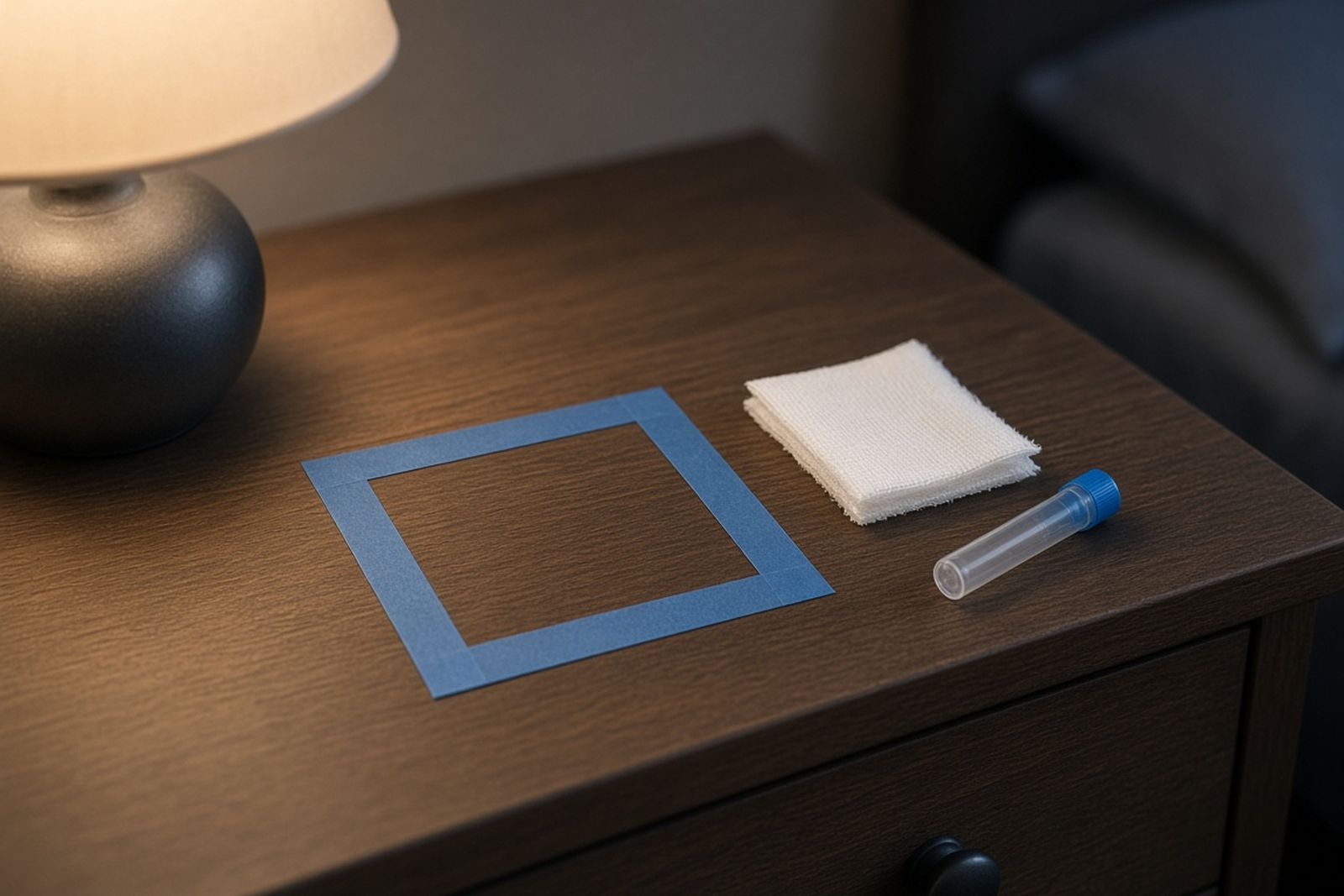
Sometimes testing is the only way to know whether residue is a real problem or just visible debris. That matters for insurance because a carrier is more likely to take a claim seriously when a qualified professional has measured contamination rather than assumed it. Testing can also keep you from paying for heavy decontamination you do not need.
Reference values for fentanyl and other residues are still scattered, and most were written for specific settings rather than for homes. Even so, a measured result compared against a stated reference value is the kind of evidence an adjuster is likely to weigh more heavily than an impression or a smell.
Ask any provider whether they sample before and after cleaning, which laboratory analyzes the wipes, and how results are reported. Clear, dated lab reports are the kind of paperwork that helps a claim file.
Sorting an abandoned unit into those layers
Abandoned rentals show how the layers work in practice. A unit left behind by a tenant who stopped paying rent can contain foil squares with dark streaks, a glass pipe, a butane torch lighter, several small plastic bags, a melted spot on a laminate counter, and a faint chemical smell in a closet.
Sorted by layer, the foil, pipe, bags, and lighter are debris, and removing them is likely to land in the maintenance category. The melted counter is physical damage, and depending on your landlord policy it might be treated as tenant damage, vandalism, or excluded wear. The closet smell stays an open question until someone tests the surfaces.
A sensible path in that situation is to photograph everything, file a police report if your area requires one for abandoned property, and then call your agent with specific questions: Is tenant damage covered on this form? Does the vacancy clause apply? Would residue testing support a claim for surface decontamination? Get the answers in writing, then decide whether to file or pay out of pocket.
Questions for your agent or adjuster
Go into the conversation with a list, and write down the name of the person you spoke with, the date, and what they said. Vague verbal reassurances are easy to forget and hard to rely on later.
- Which peril, if any, would this loss fall under on my specific policy form?
- Is there an exclusion for intentional acts, controlled substances, or illegal activity?
- How does my vacancy or unoccupancy clause apply to this timeline?
- Will you cover testing, or only cleaning and repairs that follow it?
- Do you need to inspect before any debris is removed?
- Would filing this claim affect my premium or renewal, and can I ask that question without opening a claim?
If the policy does not cover it, and what to do now
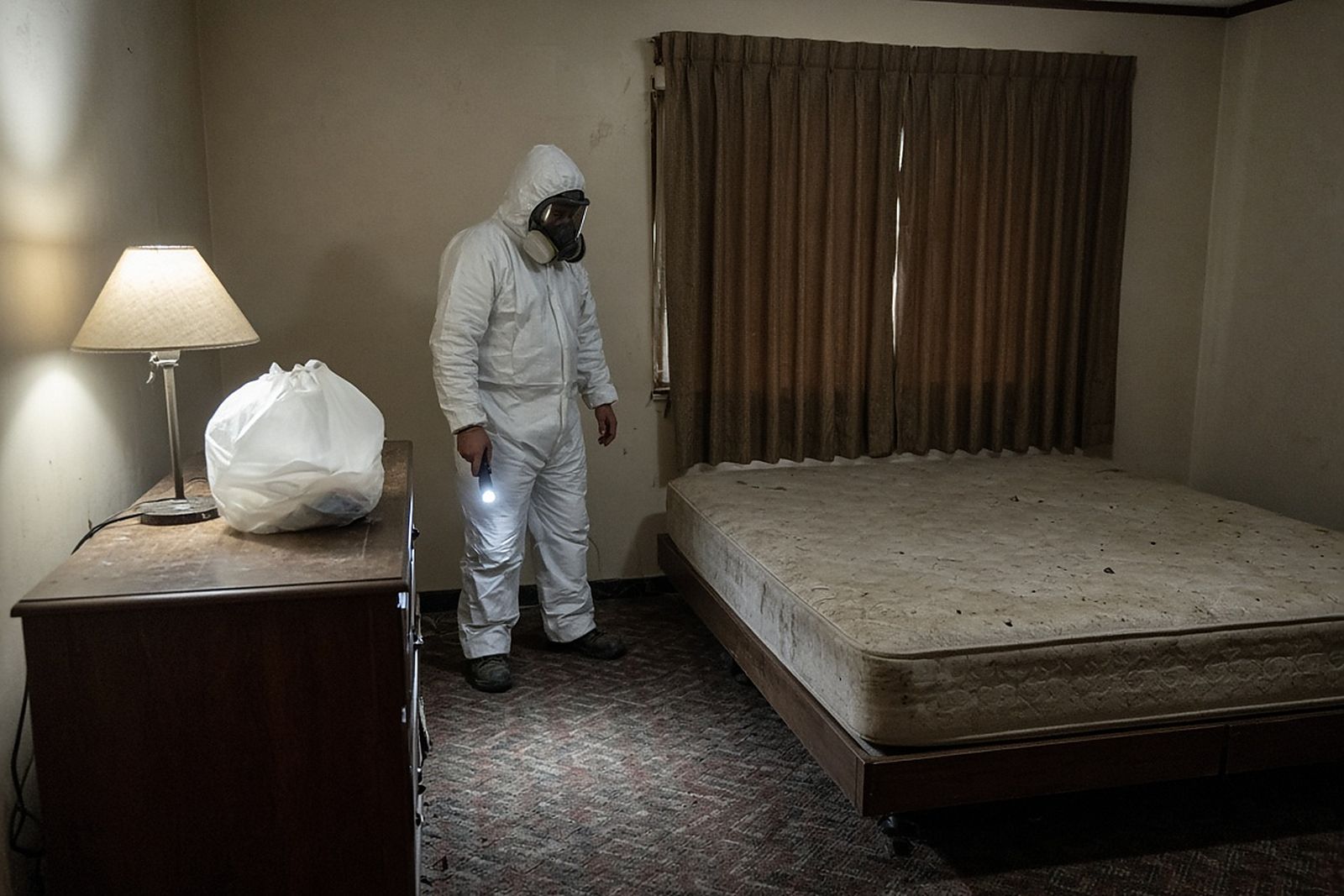
Many property owners end up paying for paraphernalia cleanup themselves, especially when the job is mostly debris removal. That does not mean you should skip the professional route. Syringes, unknown powders, and heavy smoke residue carry real exposure risks, and a trained crew knows how to package sharps, avoid spreading residue, and document what they did.
If a tenant caused the problem, your lease and local landlord-tenant rules may allow you to deduct reasonable cleaning costs from a security deposit or pursue them separately. Keep invoices that clearly describe the work so you can show what was necessary. Check your state's security deposit rules, or ask a landlord-tenant attorney, before withholding any deposit.
If the person involved is someone you care about, the cleanup can feel heavier than the invoice. You do not have to sort out the insurance question and the family question on the same day. Get the space safe first, and give yourself room to handle the rest in order.
Leave the area as it is, keep children and pets out, and do not touch or sniff anything you do not recognize. Take your photographs from a safe distance, then call your insurance agent before hiring a crew so you know whether an inspection is needed first.
When you do bring in a provider, ask for a written scope that separates debris, residue, and repairs, and ask whether they will provide before-and-after documentation. That single step makes every later conversation with your carrier easier, whatever the final coverage decision turns out to be.