Short answer
Drug paraphernalia cleanup evolved from informal trash-bag removal into a specialized practice. Methamphetamine labs brought state cleanup rules and EPA guidelines, the opioid crisis made sharps handling central, and fentanyl raised new questions about residue that toxicologists and researchers have worked to answer. Today, careful crews combine sharps protocols, wet cleaning of residue, optional surface testing, and a respectful, harm-reduction mindset.
Before it was a specialty
For a long time, nobody thought of paraphernalia cleanup as a profession. When a tenant left behind pipes and syringes, the landlord or a maintenance worker cleared them out with the rest of the trash. When a family found drug items in a relative's room, they bagged them and threw them away, often quietly and in a hurry.
Police saw paraphernalia mainly as evidence. Once an investigation ended, whatever remained was the property owner's problem. There was little guidance for owners about how to handle needles, what to do with residue, or where to take any leftover drugs.
The approach reflected what people knew at the time. The main concerns were getting rid of reminders and avoiding legal trouble, not protecting the next person who would touch the trash or live in the space.
Waste workers bore much of the hidden cost. Loose syringes in household trash and dumpsters meant sanitation crews and recycling sorters were the ones most likely to be stuck, often without knowing where the needle came from. Their experience became one of the quiet arguments for handling paraphernalia differently.
Meth labs raised expectations
The spread of home methamphetamine manufacturing was a turning point. Labs left behind chemical contamination on walls, carpets, and ventilation systems, and residents who moved in later sometimes reported health complaints. Cleanup could no longer be treated as simple junk removal.
Many states responded by creating rules for properties used to make methamphetamine, including notification requirements, cleanup standards, and in some places contractor certification. The EPA published voluntary guidelines to help states and contractors approach lab cleanup consistently, and later expanded them to address fentanyl labs as well.
Those developments mostly targeted manufacturing sites, not homes where drugs were simply used. Still, they introduced ideas that shaped the whole field: document what was done, clean surfaces methodically, and use sampling to measure what remains. A state health department can say whether any of these requirements apply to a specific property.
Meth lab rules also taught property owners a lesson that still applies: the history of a building matters. Buyers, tenants, and lenders began asking about past drug activity, and a clear cleanup record became something of value rather than an embarrassment to hide.
Sharps move to the center
As injection drug use rose during the opioid crisis, syringes became one of the most common items found in paraphernalia cleanups. That changed the risk profile of the job. A needle hidden in a couch cushion or a pile of clothes posed a direct injury hazard to anyone clearing the space.
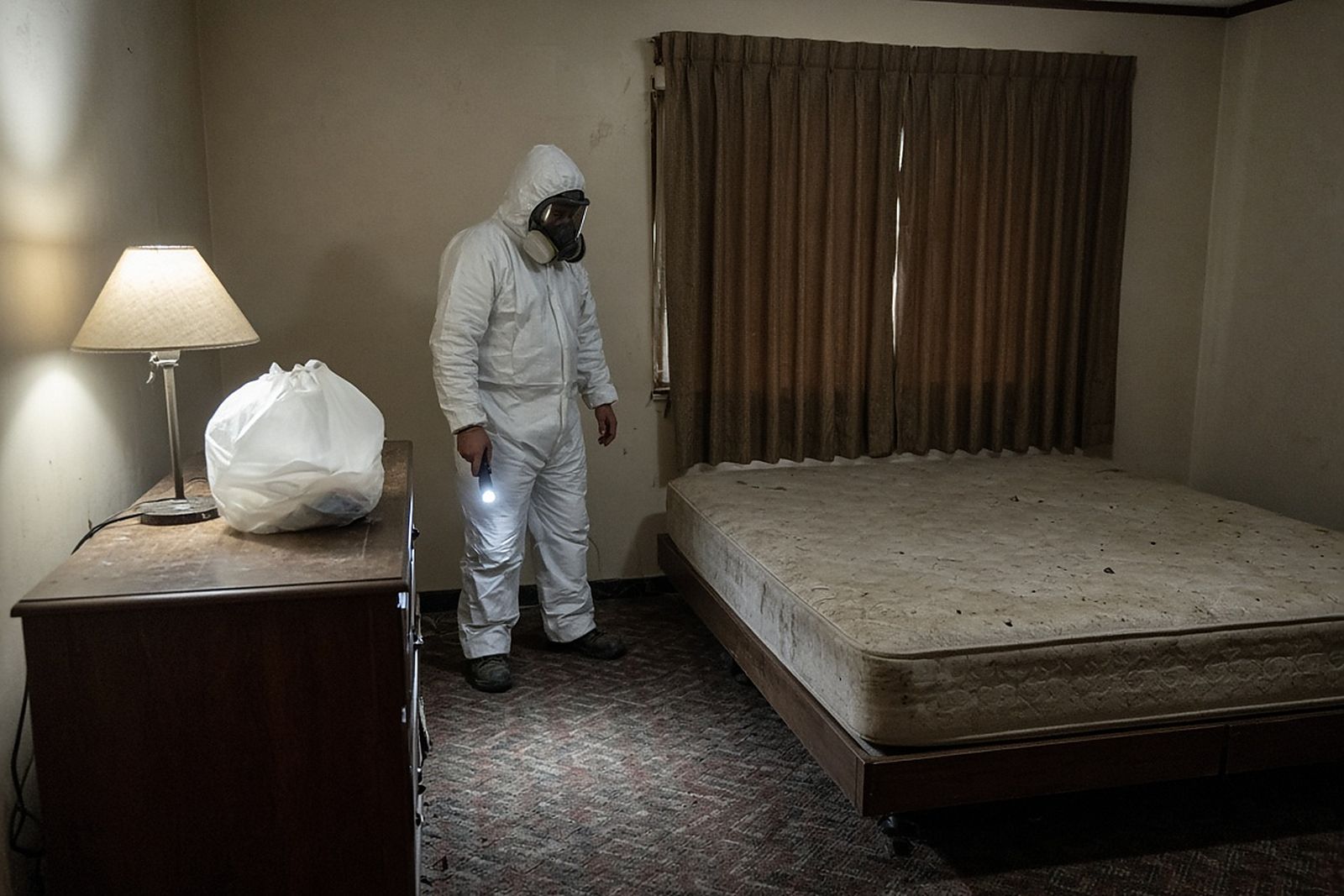
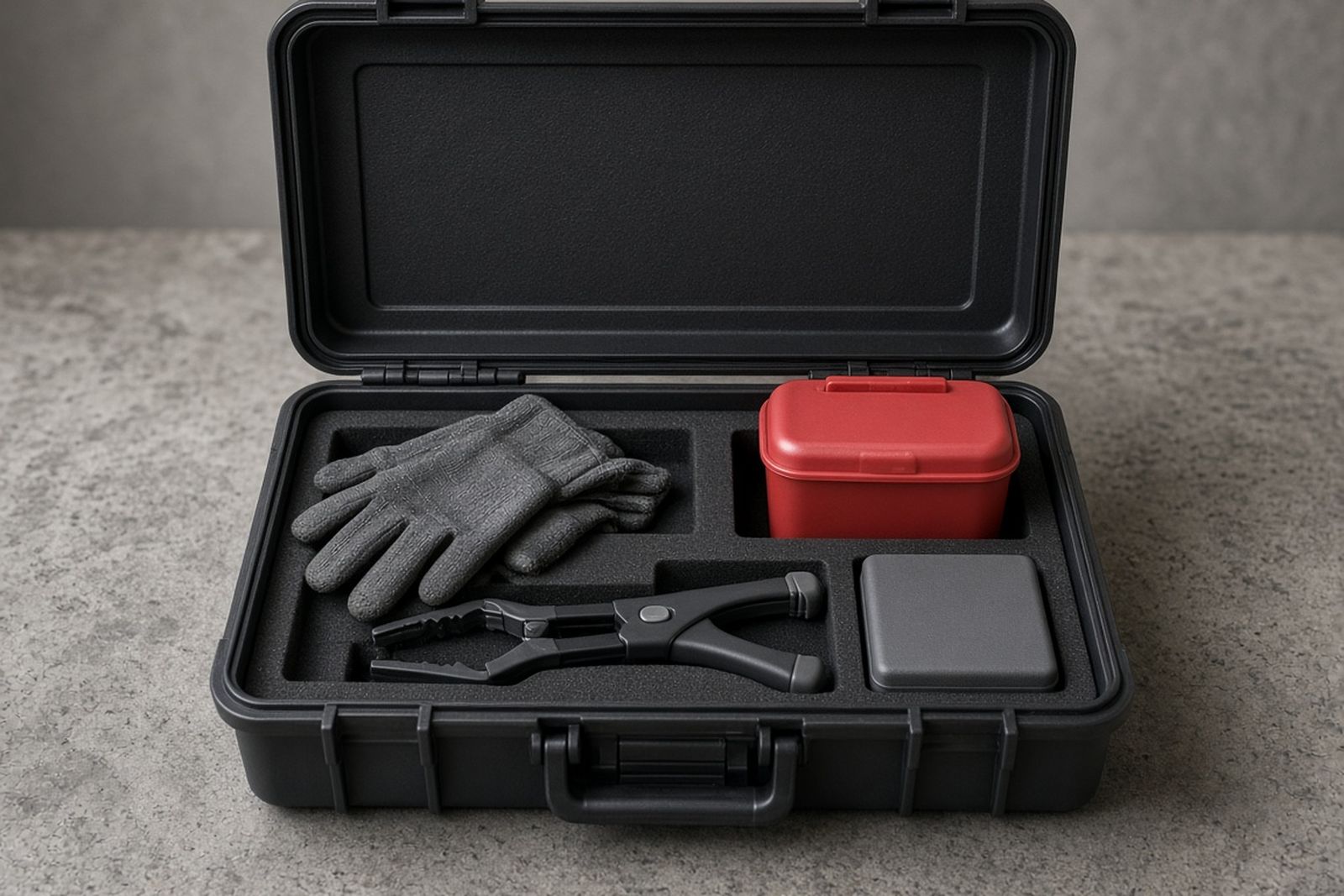
Cleanup providers began adopting sharps practices from healthcare: tools instead of hands, rigid puncture-resistant containers, bloodborne pathogen training, and licensed medical waste disposal. Searching methodically became a core skill, since syringes often turned up in mattresses, vents, drawers, and toilet tanks.
Public health programs also shaped how communities thought about discarded needles. A 2012 comparison by Tookes and colleagues found that walkthroughs in San Francisco, which had syringe programs, turned up 44 discarded syringes per 1,000 census blocks versus 371 in Miami, which did not at the time. Findings like that helped reframe safer disposal as part of public safety.
Fentanyl and the residue question
Fentanyl's arrival in the drug supply brought new questions. Because it is potent in very small amounts, people worried that residue on surfaces could harm cleaners, first responders, or later occupants. Stories about accidental exposures spread quickly, sometimes faster than the evidence.
Toxicologists and occupational health researchers worked to clarify the risks. Their work generally found that brief, incidental skin contact is very unlikely to cause an overdose, while visible powder and heavy contamination still call for careful handling and appropriate protection.
Research on real-world surfaces added useful detail. A 2025 study in the Journal of Occupational and Environmental Hygiene detected fentanyl in 25% of air samples and 38% of surface samples on 30 Pacific Northwest transit vehicles, though no surface exceeded the ACGIH limit. Studies like that help cleanup professionals and property owners think about residue in proportion: present in some shared spaces, worth cleaning thoroughly, but not a reason for panic.
The practical outcome for cleanup was a middle path. Crews kept gloves, eye protection, and wet methods as standard practice, added respiratory protection when visible powder or heavy contamination was present, and dropped the theatrical full-body suits some companies once used for every job regardless of conditions.
Newer substances: xylazine and smoked drugs
The drug supply keeps shifting, and cleanup practice has had to keep up. Xylazine, a veterinary sedative, began appearing alongside fentanyl in many regions. A 2023 CDC report found xylazine in 9.0% of 53,969 fentanyl-involved overdose deaths across 32 jurisdictions from January 2021 to June 2022, rising to 10.9% by June 2022.
For cleanup crews, new additives mean that paraphernalia may carry substances they cannot identify by sight. That reinforces the value of consistent protective practices, careful glove use, and wet cleaning methods that avoid stirring up dust, regardless of what the crew suspects was used.
Smoking fentanyl and methamphetamine from foil or glass pipes also became more common in some areas. Smoked residue can settle on nearby surfaces, which has pushed crews to pay closer attention to bathrooms, bedrooms, and vehicle interiors where smoking likely occurred.
Changing attitudes toward the people involved
Earlier cleanups often carried an unspoken judgment about the person who had used the space. Crews might joke about what they found or treat personal belongings as worthless. Families and landlords sometimes absorbed that stigma along with the mess.
Over time, many providers adopted a more respectful approach, influenced by harm reduction and by the sheer number of families affected by addiction and overdose. Crews now more often set aside personal items, work discreetly, and speak about the former occupant without contempt.
That shift is not only about kindness. Clients who feel respected share information more openly, such as where items might be hidden or whether someone died in the home, which makes the cleanup safer and more thorough.
What modern cleanup looks like
Today's practice draws on each earlier stage. From healthcare comes sharps handling. From meth lab cleanup comes documentation and sampling. From occupational health research comes a measured understanding of residue risks. From harm reduction comes a respectful approach to people and belongings.
A well-run job typically follows a clear sequence.
Vehicles have become a growing part of the work as well. Cars, rideshare vehicles, and transit interiors can hold paraphernalia under seats and in door pockets, along with residue on upholstery and ventilation surfaces. Crews now adapt the same sequence to these tighter spaces, often removing seat covers or floor mats that cannot be cleaned effectively.
- Confirm any police involvement has ended and the scene is released.
- Walk through with the client to agree on scope and set aside personal items.
- Search methodically for sharps and secure them in rigid containers.
- Bag pipes, foil, and other paraphernalia separately.
- Handle any leftover drugs according to local guidance.
- Clean surfaces with wet methods, focusing on areas where drugs were used.
- Remove porous items that cannot be cleaned, such as heavily contaminated mattresses.
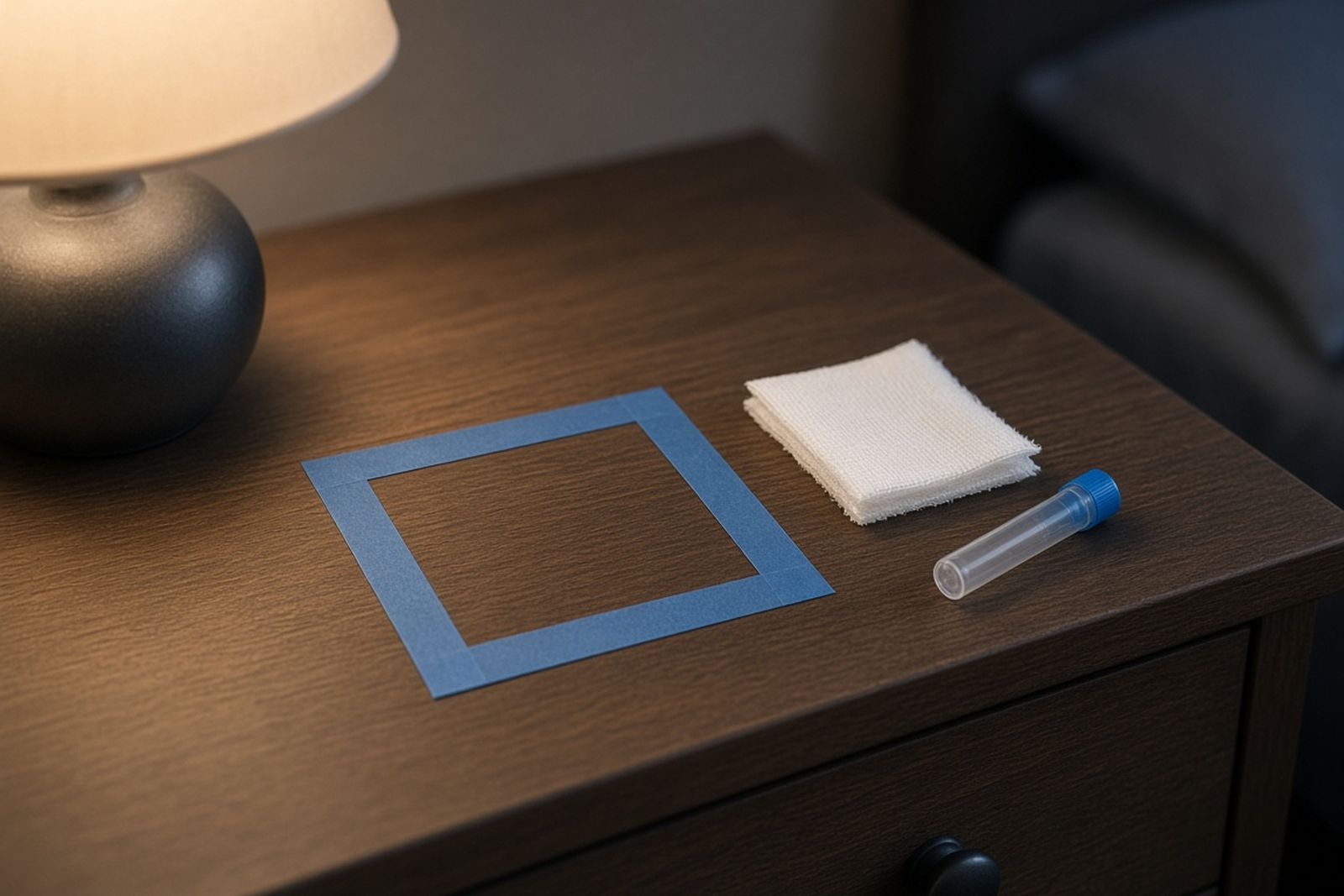
- Offer optional surface sampling where appropriate.
- Provide a written completion report with photos.
One rental unit, two eras
As an illustration, take one rental house cleaned out twice, years apart. The details are invented. In the earlier cleanup, the landlord's handyman finds syringes and pipes after a tenant leaves. He sweeps them into a trash bag with his bare hands, wipes the counters with a household spray, and puts the bag out at the curb. Nobody records what was found.
In the present-day version, the landlord calls a paraphernalia cleanup company. The crew searches each room with tools, collects syringes into sharps containers, bags the pipes and foil separately, cleans the bathroom and bedroom surfaces with wet methods, and removes a stained mattress. The landlord receives a report listing what was collected and where it went, along with an option for surface sampling before the next tenant moves in.
The house may look similar at the end of both cleanups. The difference is that the modern approach protects the workers, the waste haulers, and the next family, and it leaves a record that answers questions later.
Where is the field likely to go next?
A few developments already underway will probably keep shaping paraphernalia work. The drug supply will keep changing, which means crews will keep refining their protective practices. More state agencies may publish guidance for residue in homes and vehicles. And testing methods may become more accessible, giving property owners better information about what remains after cleaning.
For you as a property owner or family member, the lesson from this history is straightforward. Ask how a provider handles sharps, residue, drugs, documentation, and people. The best answers will reflect what the field has learned, not the old habit of bagging everything and hoping for the best.
Sources
- Tookes et al. — Comparison of syringe disposal in cities with and without needle and syringe programs
- Journal of Occupational and Environmental Hygiene — Assessing fentanyl and methamphetamine in air and on surfaces of transit vehicles
- CDC MMWR — Illicitly Manufactured Fentanyl–Involved Overdose Deaths with Detected Xylazine — United States, January 2019–June 2022
- US EPA — Voluntary Guidelines for Methamphetamine and Fentanyl Laboratory Cleanup