Short answer
A professional drug paraphernalia cleanup usually follows a clear sequence: a walkthrough and scope, protective setup, a methodical room-by-room search, safe packaging of sharps and debris, cleaning of affected surfaces, optional residue testing, and a final walkthrough with documentation. You mostly stay out of the work area. Expect questions about what was found, who had access, and whether anything needs to be preserved.
The first call
The process starts before anyone arrives. When you call, a coordinator will ask what you found, where it is, and whether anyone has been hurt or exposed. Be as specific as you can: foil with burn marks in the bathroom, a glass pipe on the nightstand, two capped syringes in the kitchen, a small bag of white powder in a drawer. These details help the provider decide what protective gear and containers to bring.
They will also ask about the property itself. Is it occupied or vacant? Is it a house, an apartment, a motel room, a vehicle? Are there pets? Is law enforcement involved, and has the space been released? If police are investigating, the cleanup waits until they say the scene is clear.
Many providers will ask you to send photos taken from the doorway. Take them without touching or moving anything. If you have not already done so, keep everyone out of the space until the crew arrives.
The on-site assessment
When the crew arrives, a lead technician will usually walk the property with you, or walk it alone if you prefer not to go in. They are looking at what is visible, where paraphernalia is concentrated, what surfaces may carry residue, and how the space is laid out. They will note soft furnishings, HVAC vents, and areas where items could be hidden.
This is your chance to share anything you know. If a tenant or family member mentioned where they kept things, tell the crew. If you saw someone using a specific room, say so. None of this is about judgment. It simply helps the search go faster and reduces the chance of a missed needle.
After the walkthrough, the lead will confirm the scope. That may be exactly what was discussed on the phone, or it may change based on what they see. Ask them to explain any change and put it in writing before work begins.
How the crew protects itself and your property
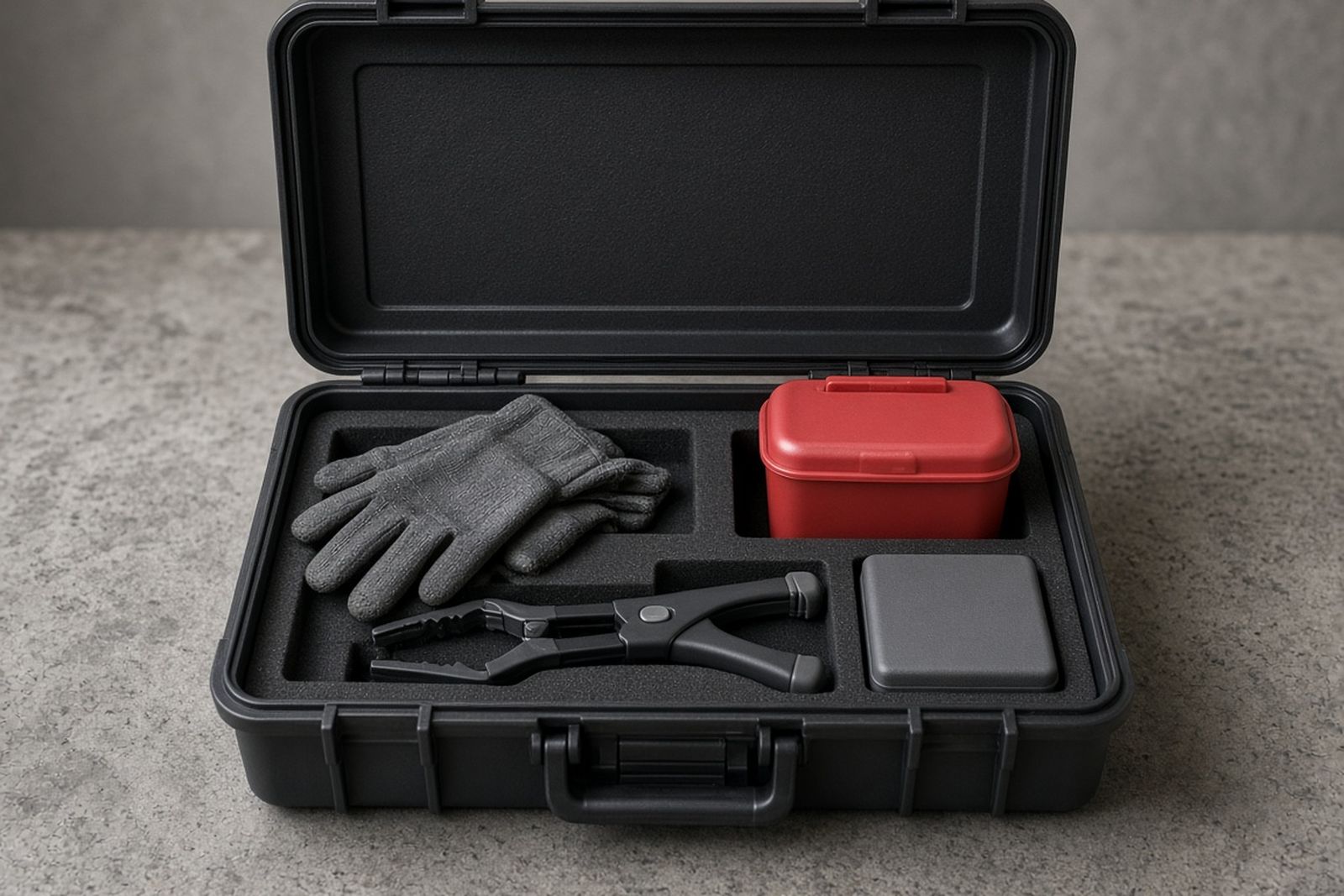
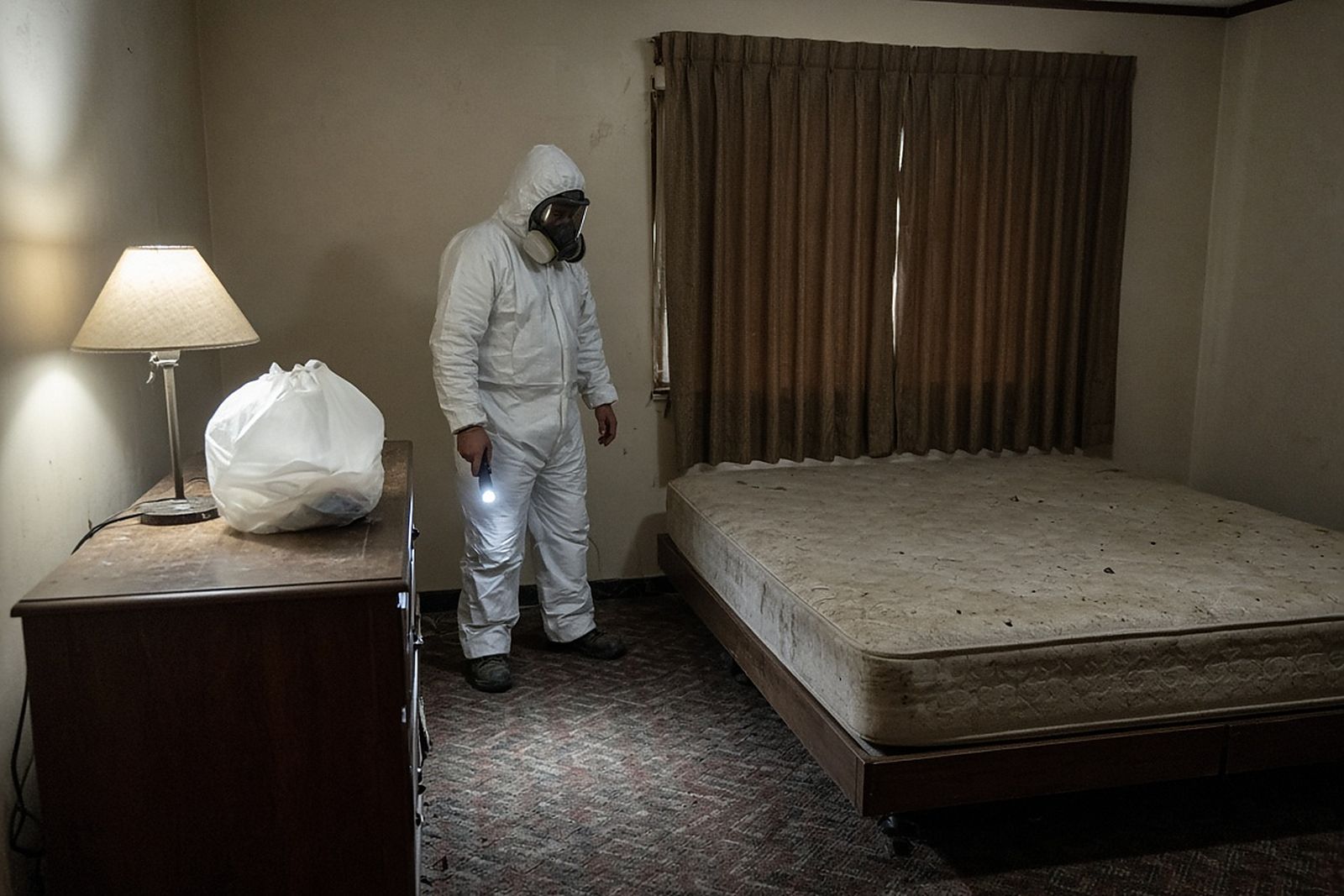
Before searching, the crew suits up. Expect to see disposable coveralls, gloves, eye protection, and often respirators, especially when powders or heavy smoking residue are present. This is standard practice, not a sign that your property is unusually dangerous.
Depending on the job, they may also set up a work zone. That can include plastic sheeting to separate the affected room, a designated area for putting on and removing protective equipment, and a clear path for carrying waste out. The goal is to keep residue from being tracked into clean parts of the building.
If the HVAC system serves the affected area, the crew may ask to shut it off during the work so residue is not blown into other rooms.
- Disposable suits, gloves, and eye protection for every technician.
- Respiratory protection when powders or residue are suspected.
- Containment sheeting and a defined entry and exit path.
- HVAC shut-off or vent covering in the work zone.
How is the search carried out?
The search is slow on purpose. Technicians work systematically, usually one room at a time, checking every place paraphernalia might be hidden. That includes obvious spots like tables and nightstands, and less obvious ones like mattress seams, the undersides of drawers, behind toilet tanks, inside ceiling tiles, in heating registers, and within the folds of clothing or bedding.
Syringes are handled with no-touch tools such as tongs or grabbers and placed directly into puncture-resistant sharps containers. Technicians never reach blindly into a bag, pocket, or cushion. They open, look, and then retrieve. Items that look like powders or residues may be carefully bagged and labeled, and sometimes set aside for testing.
If the crew finds something that looks like evidence of a crime beyond personal use, or anything that raises safety concerns, they will stop and talk with you about next steps. That can include contacting law enforcement.
Expect the crew to keep a running count of sharps as they go. That count usually appears on the final paperwork and helps confirm that every container was sealed and sent for disposal.
Belongings and furniture
One of the harder parts of this process is deciding what to keep. Hard, nonporous items, like dishes, metal fixtures, and plastic storage bins, can usually be cleaned. Soft, porous items that sat in a heavily used area, like mattresses, upholstered furniture, and carpet, may hold residue in their fibers and are often recommended for disposal.
A good crew will ask you before throwing out anything that is not obviously trash. If the belongings are a family member's, you may want to set aside personal items such as photos, documents, or keepsakes. Ask the crew to bag those separately so you can look through them later in a safe place.
If you are a landlord handling a former tenant's property, check your state's abandoned property rules, or ask a landlord-tenant attorney, how long you must store a former occupant's belongings and what notice is required before anything is discarded.
Cleaning surfaces after the search
Once paraphernalia and debris are out, cleaning begins. Hard surfaces, such as walls, counters, floors, doors, and fixtures, are typically washed with detergent solutions and wiped down, sometimes in several passes. The aim is to physically remove residue, not just cover it up with a scent.
Areas where smoking happened often need more attention: ceilings, window frames, blinds, light fixtures, and vent covers can all collect film. HVAC filters are replaced, and the crew may recommend a separate duct cleaning if the system ran during heavy use.
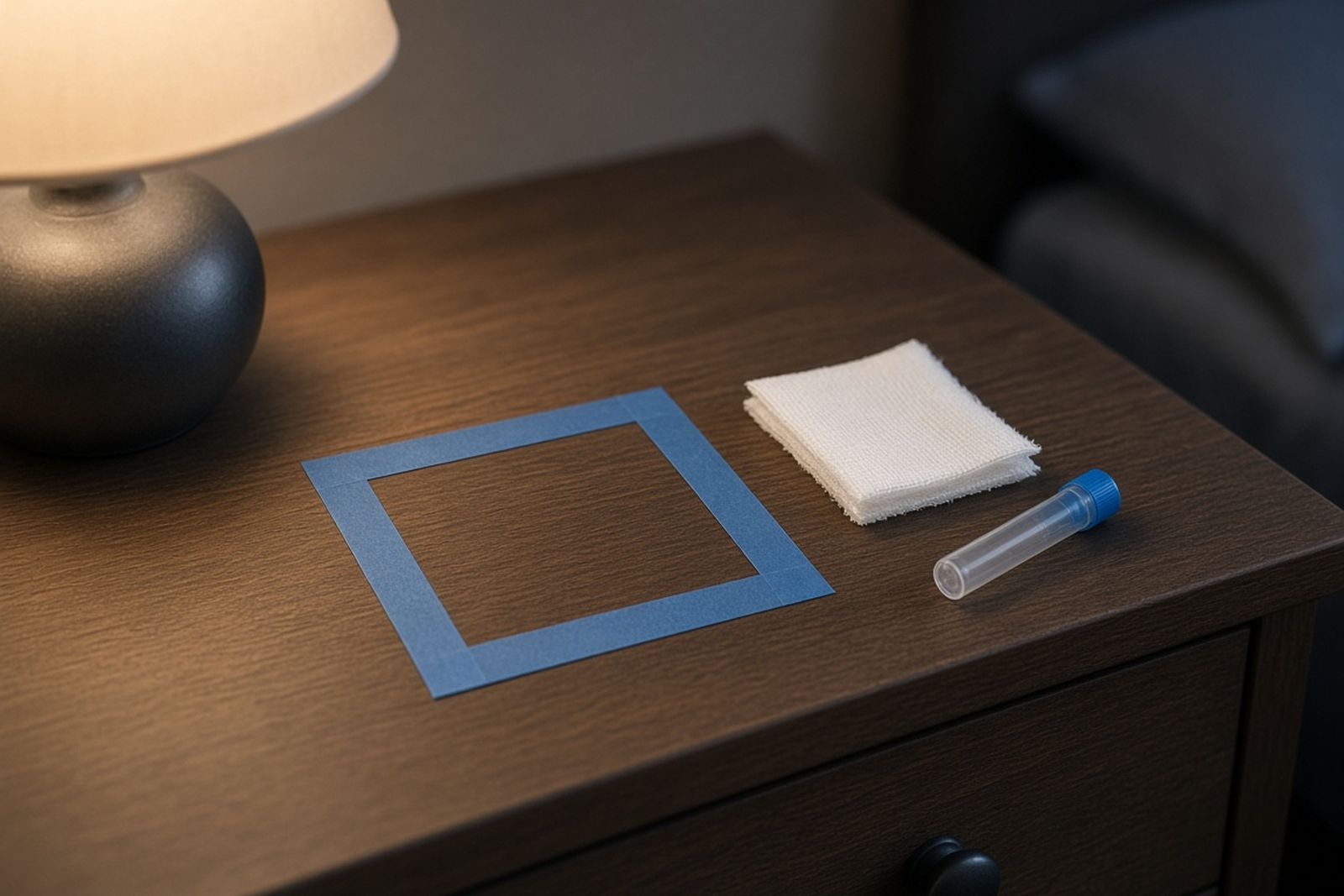
If testing is part of the plan, the crew may take wipe samples before and after cleaning. Lab results tell you whether surfaces reached an acceptable level. Contamination can be uneven even within a single room, so samples should come from several locations rather than one convenient spot.
Illustration: a relative's bedroom
Suppose, as an illustration, that your adult brother lived in the spare bedroom of your parents' home. After he entered a treatment program, your parents opened the door and found foil, straws, lighters, a few syringes in a shoebox, and a stale smell. They do not want to throw away his things, but they are afraid to touch anything.
The crew would start by asking what your family wants to keep. They would search the room carefully, collect all paraphernalia and sharps, and bag personal items like clothing, books, and photographs for your family to review later. They might recommend discarding the mattress and cleaning the walls, window, and vent cover.
Your parents might choose to wait in another part of the house or step out entirely. At the end, the lead technician would walk the room with them, explain what was removed, and hand over the bagged personal items. The room would be ready for your parents to decide what comes next, whether that is repainting, new carpet, or simply closing the door for a while.
What should you expect at the final walkthrough?
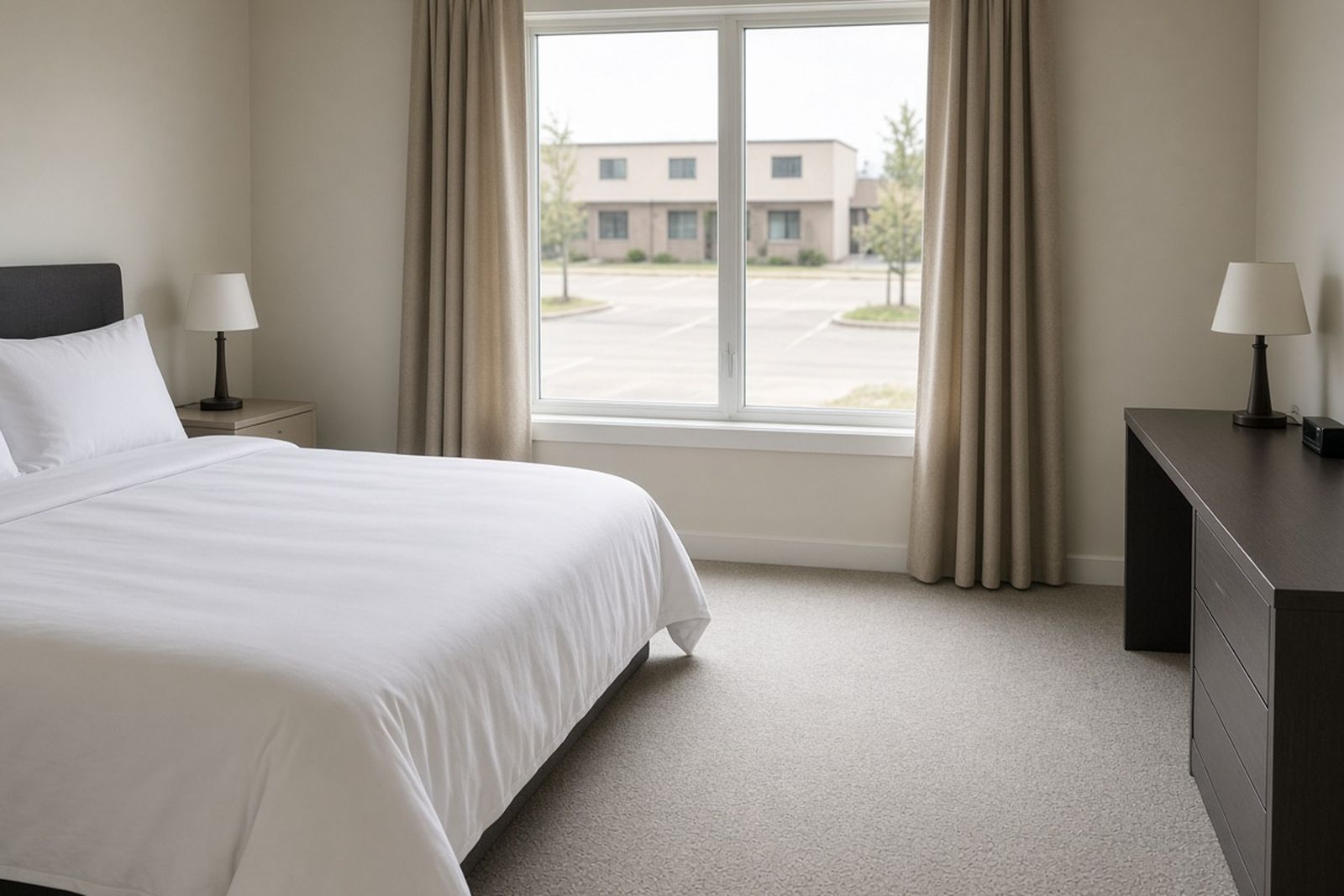
When the work is done, the lead technician will walk the space with you, or send you photos if you would rather not go in. They will show you what was removed, which surfaces were cleaned, and anything they recommend addressing next, like replacing flooring or repainting.
How long all of this takes depends on the scope. A single room with a handful of items may be finished in part of a day. A cluttered home with paraphernalia spread across several rooms, soft goods to remove, and sampling to wait on can stretch over several days. Ask the lead for a realistic timeline at the start, and ask them to call you if the search turns up more than expected so the plan and the schedule can be adjusted together.
You should also receive documentation. That may include before-and-after photos, a list of materials removed, sharps disposal records, and any lab results. Keep these together. They are useful for insurance, for future tenants or buyers, and for your own peace of mind.
- Before-and-after photos of each treated area.
- A written list of items removed and disposed of.
- Sharps and waste disposal records.
- Lab results, if sampling was part of the scope.
- Recommendations for repairs or follow-up work.
Taking care of yourself through the process
Finding drug paraphernalia can bring up fear, anger, sadness, or guilt, especially when it involves someone you love. You do not need to be present for the cleanup, and you do not need to have your feelings sorted out before you make practical decisions.
If the person who used the space is struggling, reach out to local treatment resources or their healthcare provider. If you or someone you know is in crisis, the 988 Suicide and Crisis Lifeline is available by call or text at 988. Letting professionals handle the physical work can free you to focus on the people involved.