Short answer
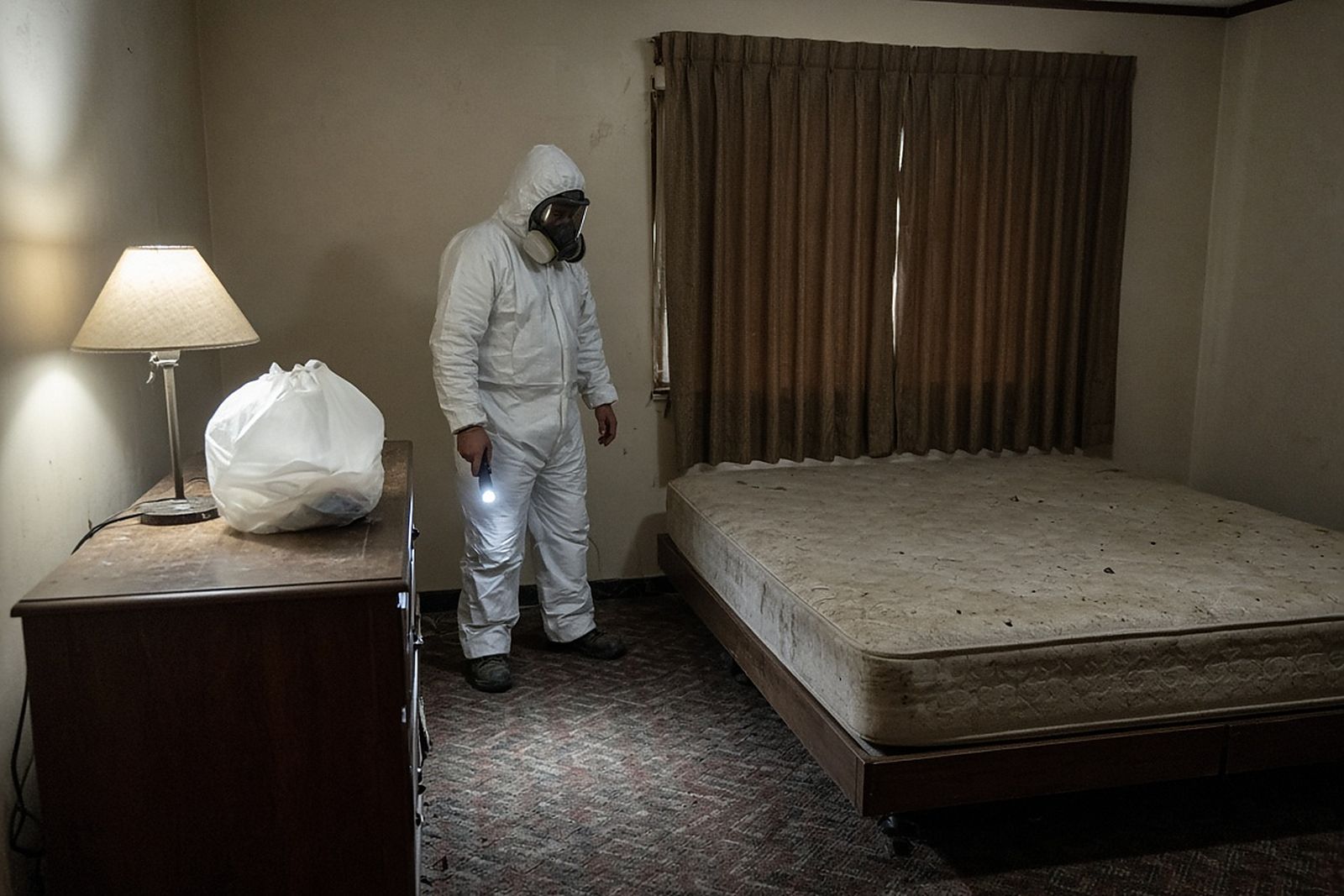
If you discover drug paraphernalia, step back and close the door, keep people and pets out, and do not touch, sniff, or move anything. Call 911 if anyone is unresponsive or struggling to breathe, and follow police instructions if a crime is suspected. Then photograph from the doorway, note who had access, shut off shared ventilation if you can, and call a cleanup provider with specific details.
The first minute: stop, step back, close the door
The most useful thing you can do right away is also the simplest: stop, step back, and close the door. Whatever you are looking at will not become more dangerous in the next few minutes if nobody touches it. It can become more dangerous if people crowd in, pick things up, or start cleaning.
Keep children, pets, coworkers, and curious neighbors out of the space. If it is a rental unit, a motel room, or a vehicle, lock it if you can do so without going back inside. If it is a room in your home, close the door and put a note on it so no one wanders in.
Take a breath. Finding paraphernalia can be shocking, especially when it is connected to someone you know. You do not have to solve everything at once. The goal for now is to keep everyone safe and avoid making the situation harder to clean up.
When to call 911 or Poison Help
Call 911 immediately if anyone is unresponsive, breathing slowly or not at all, has blue or gray lips, or cannot be woken. These can be signs of an overdose. If naloxone is available and you know how to use it, follow the instructions on the package or from the dispatcher. Stay with the person until help arrives.
Call 911 as well if you see signs of an active drug lab, such as chemical containers, tubing, strong solvent smells, or burn marks around cooking equipment, or if you believe a crime is in progress. Do not try to investigate.
If someone may have swallowed, inhaled, or touched a substance and has symptoms like dizziness, confusion, nausea, or trouble breathing, contact Poison Help at 1-800-222-1222 or call 911 for severe symptoms. If a child may have touched or put something in their mouth, call right away even if they seem fine.
What not to touch, move, or clean
The instinct to tidy up is strong, especially if you are a landlord worried about the next tenant or a parent worried about a younger sibling. Resist it for now. Moving items can scatter residue, lead to a needlestick, or destroy information police or your insurer may need.
If a syringe is lying somewhere a child or pet could reach it before help arrives, and you cannot block off the area, cover it with a sturdy upside-down container like a bucket or a heavy pot rather than picking it up. That keeps it in place and out of reach without anyone handling the needle.
- Do not pick up syringes, even if they look capped.
- Do not touch, smell, or taste any powder, pill, or residue.
- Do not open drawers, bags, cushions, or pockets to look for more.
- Do not vacuum, sweep, or spray cleaners on the area.
- Do not throw anything into household trash or recycling.
- Do not run fans that blow air from the room into the rest of the building.
How worried should you be about touching residue by accident?
Many people worry that brief skin contact with fentanyl or similar substances could cause an overdose. Medical toxicologists have looked at this closely. The American College of Medical Toxicology and American Academy of Clinical Toxicology noted in 2017 that even if both palms were fully covered with fentanyl transdermal patches, it would take about 14 minutes to absorb 100 mcg, and patches take 3–13 hours to reach therapeutic blood levels.
That is reassuring about incidental skin contact, but it is not permission to handle unknown materials. Powders can be inhaled or transferred to the mouth or eyes, and other substances behave differently. If you touched something, wash your hands with soap and water; do not use hand sanitizer, which may not remove residue. Watch for symptoms and seek help if any appear.
Needles are a separate concern. If anyone is stuck, wash the area with soap and water and get medical evaluation promptly, bringing details about where and when it happened.
Police first, or the cleanup company?
It depends on the situation. If you believe a crime has occurred, such as a break-in, a lab, a death, or evidence of dealing, the police should be your first call, and cleanup waits until they release the space. If you are a landlord and a tenant has abandoned a unit with paraphernalia inside, local rules may require notice or reporting before you remove property.
For small amounts of personal-use paraphernalia in your own home, many people go straight to a cleanup provider. Rules vary by state and county; verify with the local authority whether you are required to report what you found and how certain items must be handled.
If police do become involved, ask for the report number and the name of the officer. Cleanup providers and insurers may ask for both.
If the person connected to the paraphernalia is a family member who is still in the home, the decision about calling police can feel especially heavy. You do not have to decide everything at once. Focus on immediate safety first, and if you are unsure, a non-emergency police line or a local public health office can explain what is required where you live.
Information to gather while you wait
While you are waiting to hear back from a provider, you can prepare. Good information helps the crew bring the right equipment and gives you a clearer picture of the job.
If the affected space shares a heating or cooling system with other rooms, consider turning the system off or closing the vent in that room from outside the doorway, if you can do so without walking in. That limits how much residue might circulate while you wait. Write down the time you did it so the crew knows how long the system has been off.
- Photos from the doorway, without stepping inside or moving anything.
- A rough list of what you can see: foil, pipes, syringes, powders, lighters.
- Which rooms or areas are affected, and whether HVAC serves them.
- Who had access to the space and when it was last known to be clean.
- Whether anyone was exposed or injured.
- Any police report number and contact details.
What to ask when you call a provider
When you call, describe what you found in plain, specific terms, and share your photos. Then ask a few questions so you know what to expect. Be wary of any company that promises an exact arrival time before asking where you are and what you found; availability depends on location, crew schedules, and what equipment the job needs.
If you manage a property, it helps to have the name of a qualified provider on file before you ever need one. Keeping a short written procedure with that number, the police non-emergency line, and your insurer's contact information means the next person who finds something knows exactly what to do.
- When is your crew realistically available for this location?
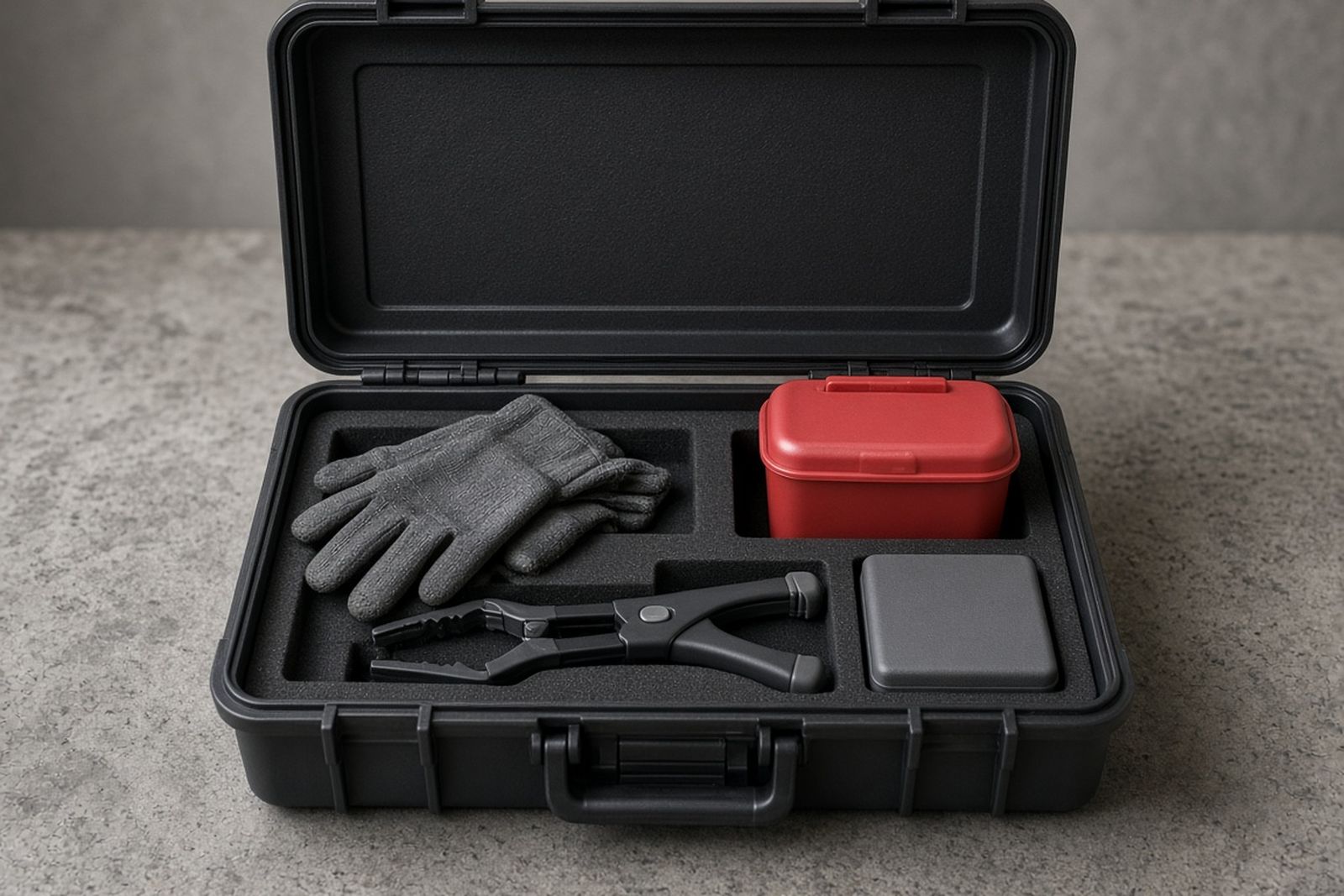
- What protective equipment will technicians bring for unknown powders?
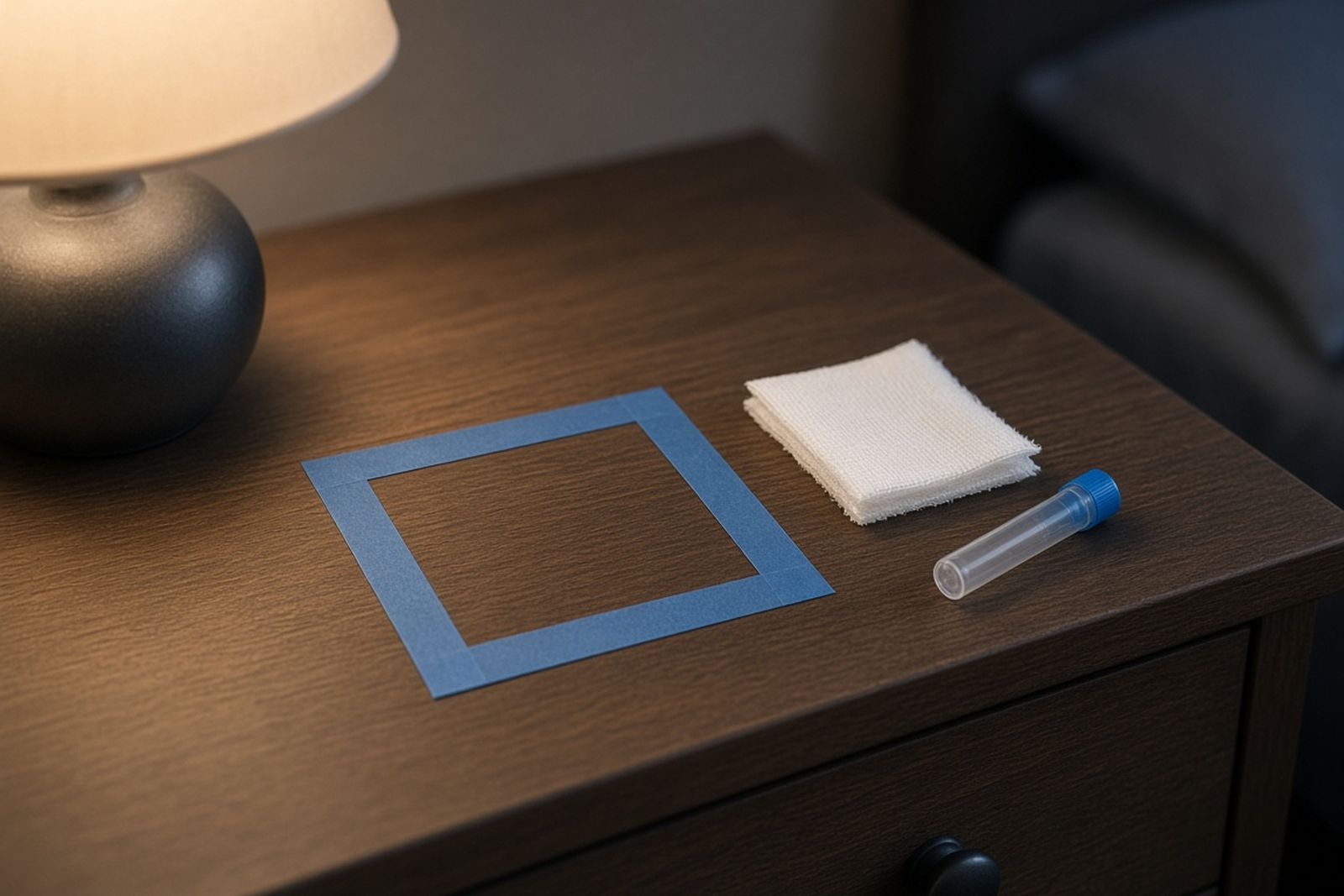
- Will you handle the syringes and any residue testing?
- Do you need a police release or other paperwork before starting?
- Can you send a written estimate before work begins?
Taking care of yourself and others
Discovering drug use in a place you are responsible for can bring up a lot of feelings, from anger to fear to grief. If the space belongs to a family member, you may also be worried about their safety. Those reactions are normal, and it is fine to lean on someone you trust while you handle the practical steps.
Staff members, housekeepers, or maintenance workers who made the discovery may also need a moment. Let them step away from their duties, thank them for stopping and reporting instead of cleaning, and check in again the next day.
If someone you care about is struggling with substance use, reach out to their healthcare provider or a local treatment program. If you or anyone else is thinking about suicide or feels unsafe, call or text the 988 Suicide and Crisis Lifeline at 988 for immediate support.