Drug Paraphernalia Cleanup: Regulations
How to identify the worker-safety, waste, transport, environmental, and local rules that may apply to drug paraphernalia cleanup. Confirm jurisdiction-specific requirements with the issuing authority.
The rules group covers the laws that shape drug debris cleanup. These rules come from several places at once. Articles explain how the OSHA bloodborne pathogens standard applies to workers who handle used needles. They explain how state and county rules govern packing and disposing of needles, and how permits for medical waste haulers work. Other posts cover state rules for properties linked to meth, questions about what landlords must tell tenants, and how to find out which rules apply at your address. You will also find help on when to tell police or hazmat teams before cleanup begins. One post shows how to trace a sharps container from your door to the site where it is finally treated.
Get an email reply about drug paraphernalia cleanup
Send a short message to the follow-up inbox. A coordinator can reply by email. This form does not send emergency help; call 911 first if anyone is in danger.
Knowing these rules protects you both ways. A company might overstate the rules to justify a bigger job. Or it might skip steps your state actually requires before you rent again. Needle disposal and meth rules vary a lot. So these posts focus on which agency to call and what to ask. That keeps your choices based on current local rules, not guesses or secondhand advice. The posts also show how to keep a simple log of the agencies you called and what they said. That record helps when a company, insurer, or new owner asks why certain steps were or were not taken. It also protects you if rules change later.

OSHA Regulations and Drug Paraphernalia Cleanup
Syringes, pipes, and drug residue bring bloodborne, chemical, and respirator rules into play. See how OSHA shapes the way paraphernalia cleanup crews work.
OSHA rules protect the workers who clean up drug paraphernalia rather than certifying your property. The Bloodborne Pathogens Standard covers used syringes and blood-contaminated items. Hazard communication covers the cleaning chemicals. PPE and respiratory protection rules apply when residue or powders are present. A capable provider can explain how its program addresses each hazard at your site.
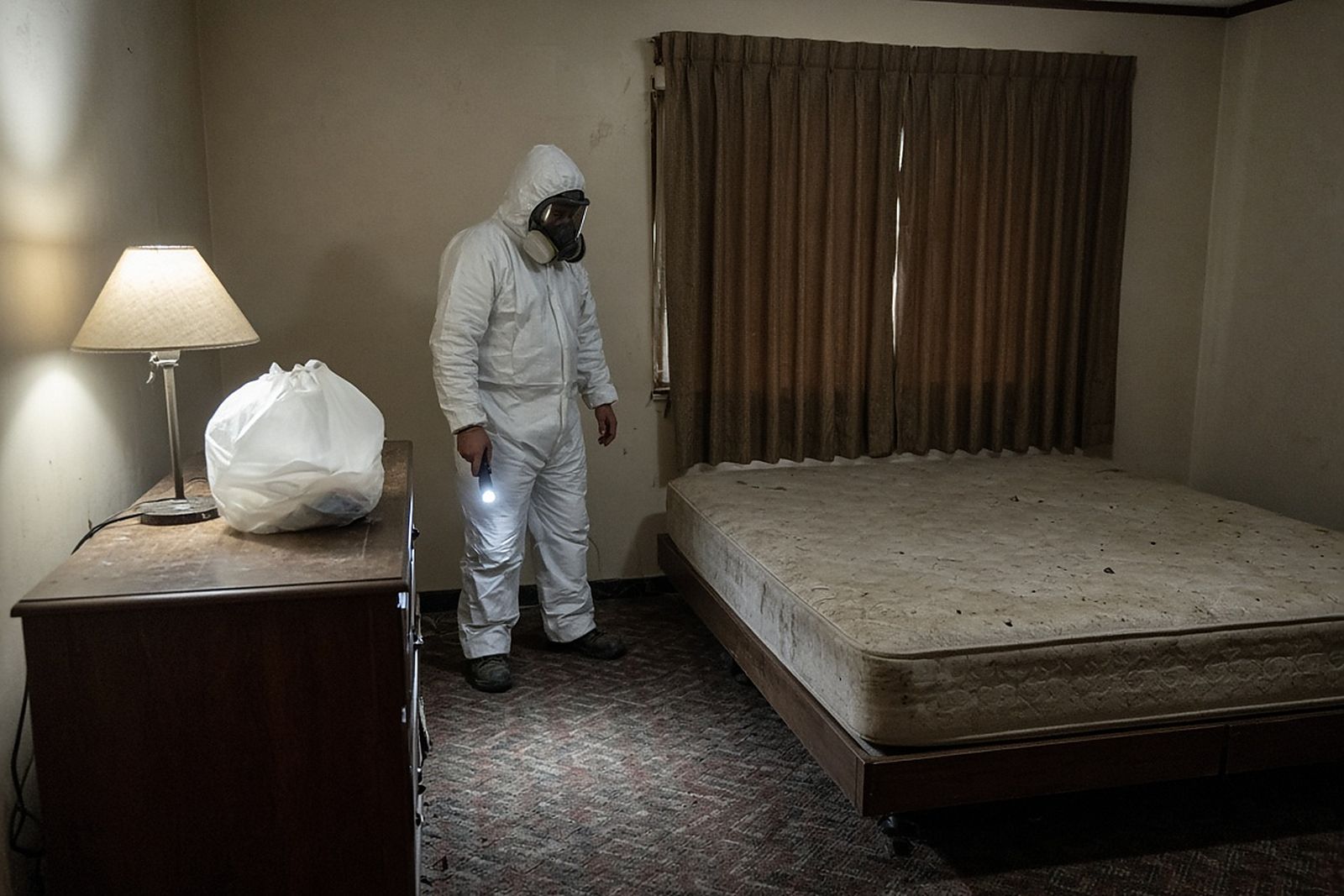
Which Federal, State, and Local Rules Apply to Drug Paraphernalia Cleanup?
Paraphernalia cleanup crosses worker safety, sharps waste, drug lab, and landlord rules. Learn which layer applies to your property and how to check locally.
Drug paraphernalia cleanup falls under several rule layers at once. OSHA protects workers, state medical waste rules govern syringes, and some states have drug lab cleanup laws that apply when manufacturing is suspected. Local health departments, law enforcement, and landlord-tenant rules add more. Start by identifying what was found and whether police are involved, then check each layer for your county and state.
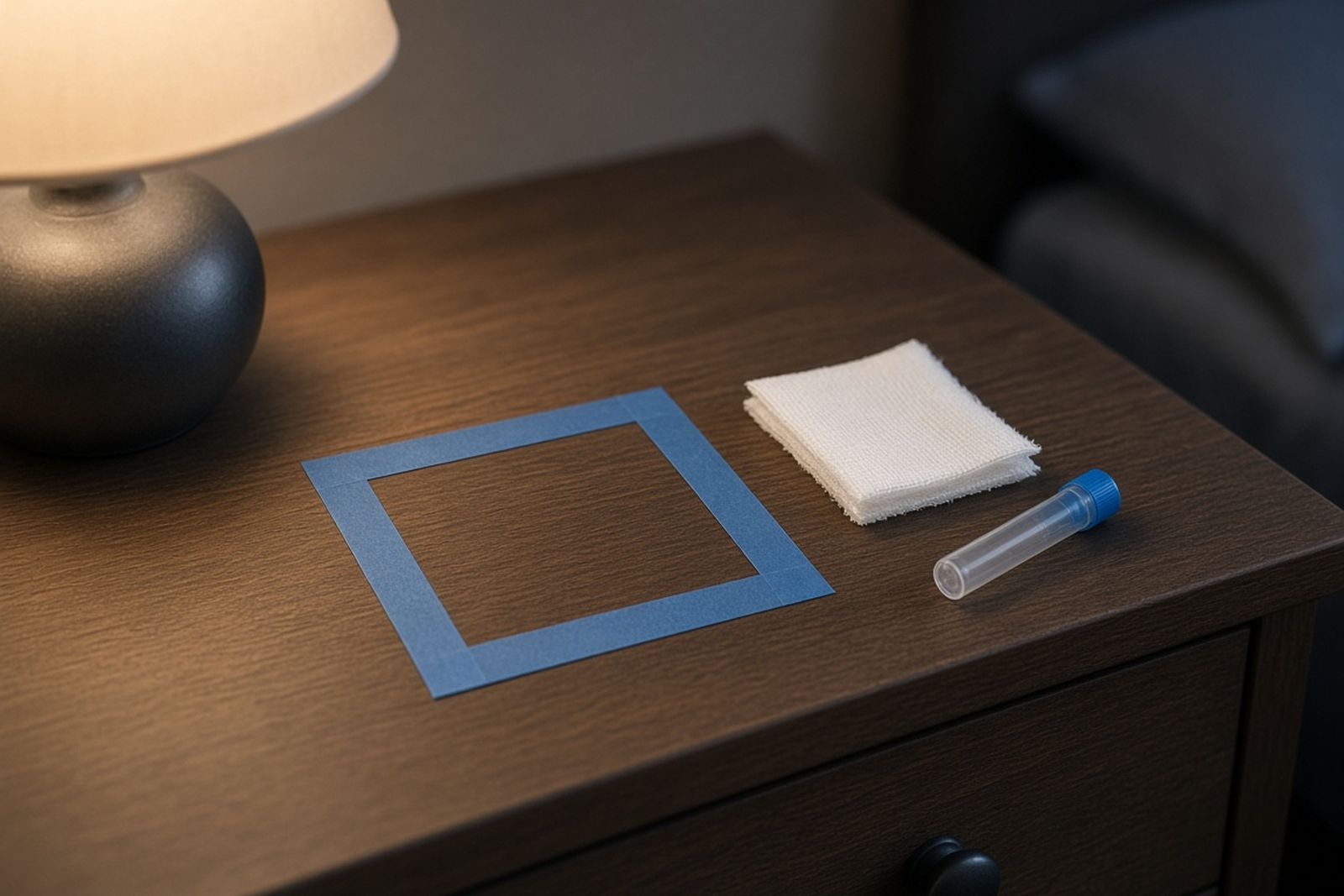
How to Research Waste Rules for Drug Paraphernalia Cleanup
Syringes, pipes, residue wipes, and stained mattresses each follow a different disposal path. Learn how to research waste rules for drug paraphernalia cleanup.
To research waste rules for drug paraphernalia cleanup, sort what you found into streams: sharps, blood-contaminated items, residue-cleaning waste, bulky soft goods, and any remaining drugs. Sharps usually follow state medical waste rules. Other debris is often bagged household or commercial waste, depending on your area. Remaining drugs are a law enforcement question. Check your state, county, and hauler before disposal.
Sourced figures on regulations
- 0 federal standards
EPA states there are currently no state or federal standards for determining when a closed fentanyl lab site has been successfully remediated.
Read with care: Some local health departments and California have since adopted detection-based expectations.
Source: US EPA (2021)United States, as of 2021 guidance
- 1 µg/100 cm²
Washington's health department advises hiring a decontamination contractor if fentanyl residue exceeds the ACGIH surface limit of 1 µg per 100 cm².
Read with care: ACGIH's limit is an occupational surface value, not a residential health standard.
Source: Washington State Department of Health (2024)Washington State guidance for vehicles and property
- $0 to employees
Since February 13, 2008, OSHA has required employers to provide required personal protective equipment at no cost to employees.
Read with care: Exceptions exist for non-specialty footwear, prescription eyewear and lost or deliberately damaged PPE.
Source: OSHA (2008)US general industry employers
These figures are public research and agency data, not this network's own job records. Keep each number with its population, year and limits; none of them predicts cost, timing or outcome at a specific property.
What research has found
Findings from published studies of people and properties in situations like this one. They describe what researchers observed in a specific group; they are not predictions for your case.
Frequently finding drug-containing syringes was associated with higher adjusted injury odds.
Surface wiping did not measure all contamination within porous materials.
Regulations: common questions
Do OSHA rules apply to my maintenance staff who find needles?
The OSHA bloodborne pathogens standard generally applies if your workers could reasonably be exposed to blood and other body fluids that can carry disease. That can mean a written plan to control exposure, training, and safety gear. It can also mean offering the hepatitis B vaccine. Ask a safety expert or check OSHA resources to learn how the standard fits your workplace.
Are used pipes and foil regulated as hazardous waste?
In many places, pipes and foil with no visible blood are treated as regular trash once they are bagged. Needles and items with blood on them follow medical waste rules. Local practice varies, and some areas have their own rules. Ask your health department or solid waste office how to sort each type of debris.
Do I have to tell a new tenant about a past paraphernalia cleanup?
What you must tell a tenant depends on your state and on what was found. Some states have rules about telling tenants when a property is linked to meth. Normal use debris may come with no such rule. Ask a local lawyer or your state housing agency. Keep your cleanup paperwork in case questions come up later.
Does a cleanup company need a permit to haul sharps?
Moving medical waste, including needles, is regulated in many states. A company that hauls its own containers may need a hauler registration or permit. Other companies hire a licensed medical waste hauler instead. Ask the company which way it works. If it hauls needles itself, ask what registration it holds. Your state environmental or health agency can confirm what applies.
Are there limits on how long collected sharps can be stored?
Where storage limits exist, they vary by state and by whether you are a home or a business. A business that collects needles often may face rules on how long they are stored, how they are labeled, and when they are picked up. Ask your state environmental or health agency what applies to you. In practice, arrange disposal soon, keep containers closed, and store them safely away from children and the public.
Do fair housing rules affect how I respond to paraphernalia in a rental?
They can. Drug use disorder and recovery can overlap with disability protections. Actions that look like unfair treatment or payback create legal risk. Keep your response focused on the recorded condition of the unit and your lease terms, not on guesses about a person. Talk with a lawyer before you take steps toward eviction or share details about a tenant with others.
What rules apply when paraphernalia is found in a work vehicle?
Several layers can apply at once. Worker safety rules shape how staff are protected if they may come across needles. Company policy decides how the vehicle is taken out of service. Waste rules decide how collected items are thrown away. If the vehicle is leased or rented, the agreement may say who sets up the cleaning. Check with your safety adviser, your fleet provider, and your local health or environmental agency.
Related community polls
Every count is a real visitor vote; nothing is seeded or padded. One vote per poll per device, and you can change your answer.
You open a vacated rental and see foil, a pipe, and one syringe. What is your first move?
Which hazard worries you most in a unit with drug debris?
More on drug paraphernalia cleanup
Drug Paraphernalia Cleanup services
See how needle pickup, residue cleaning, vehicle work, and turnover paperwork fit together, and what to expect from a company on site.
Costs explained
What drives the price, published cost ranges, and how to read a written quote line by line.
Insurance and payment
Which policies may respond, how to document a claim, and what to do if coverage is denied.
Planning tools
Work through planners, classifiers, and checklists built for rentals, motels, vehicles, and vacant homes where drug debris has been found.
Community polls
Compare your gut calls with other owners and managers on police reports, what to tell tenants, who pays, and when lab testing is worth it.
Knowledge quiz
Test whether you would make the safer call when you find foil, pipes, syringes, or unknown powder, then review the study guide.