Drug Paraphernalia Cleanup: Health & Wellness
Privacy, decision-load, trauma-aware communication, and verified support resources for people managing drug paraphernalia cleanup. Educational remediation content is not mental-health treatment.
The health and wellness group covers the emotional side of finding drug items in a home, rental, or vehicle. Posts cover the stress landlords and managers feel during a rushed turnover. They cover the grief and worry families feel when the space belonged to a loved one who uses drugs. They also cover the unease that can linger after a scare with a needle. Other articles offer practical ways to cut down on disruption during cleanup. They point to counseling, family support groups, and drug treatment resources. A few posts also discuss how to talk calmly with children or others at home about what was found, in words that fit their age.
Get an email reply about drug paraphernalia cleanup
Send a short message to the follow-up inbox. A coordinator can reply by email. This form does not send emergency help; call 911 first if anyone is in danger.
People respond to these discoveries in many ways. Some feel anger or betrayal, while others feel deep concern for someone they care about. Both reactions are understandable. These posts encourage compassion for everyone involved, including the person who used the space. If you or someone you love is in crisis, reach out to a local crisis line or emergency services right away. Caring for yourself also helps you make steadier decisions about the property. Recovery is possible, and support is available for families as well as for the person using drugs.
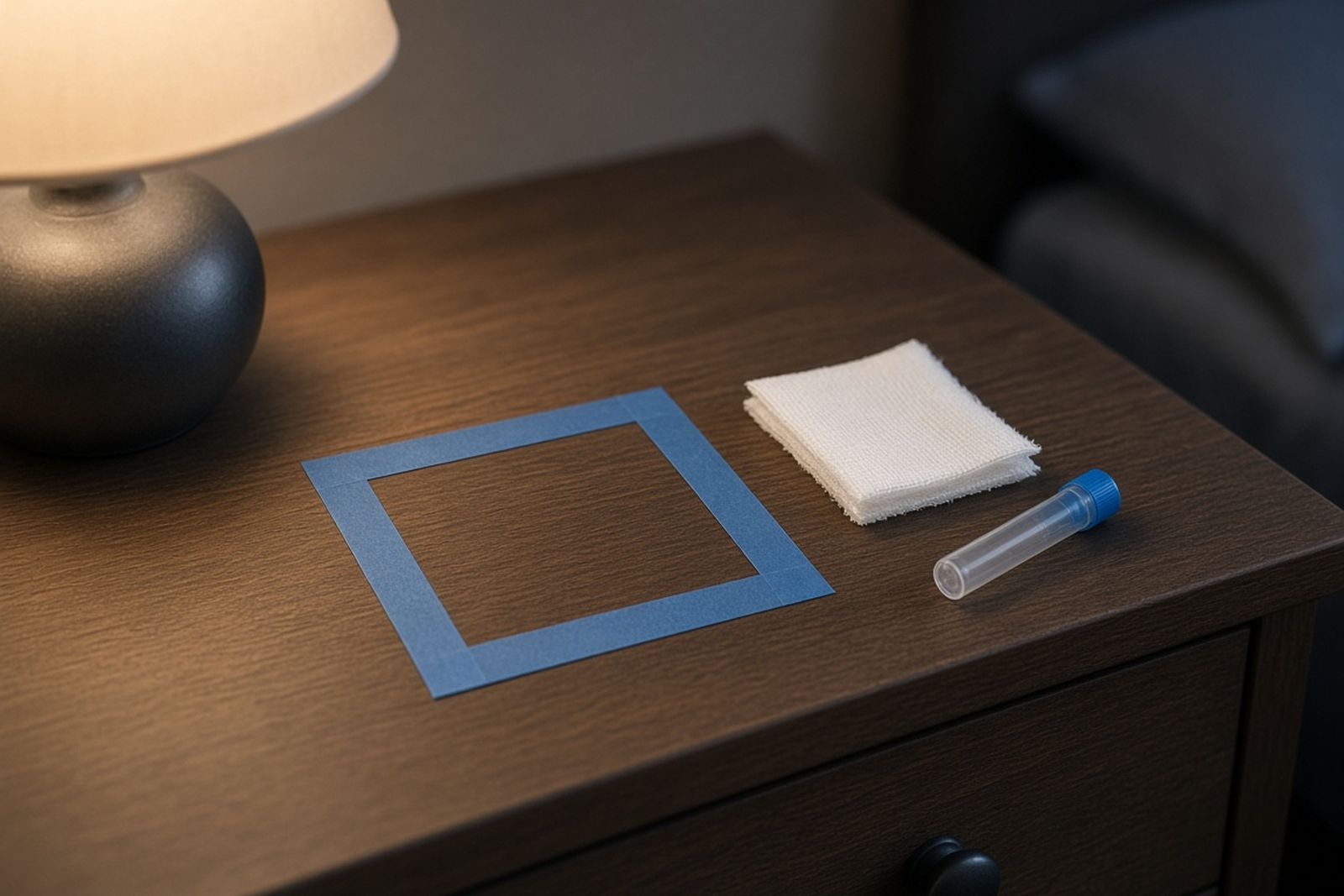
Managing Stress and Disruption During Drug Paraphernalia Cleanup
Finding pipes, foil, or syringes left by a tenant or loved one stirs fear, grief, and anger. Ways to ease the stress and disruption while the space is cleaned.
Drug paraphernalia cleanup often brings shock, grief, anger, guilt, and worry about safety, especially when a family member or tenant is involved. You can reduce the strain by letting professionals handle sharps and residue, setting aside personal items for later, talking honestly with the people affected, getting medical advice after any needlestick, and reaching out for support, including the 988 Lifeline during a crisis.

Mental Health Resources During Drug Paraphernalia Cleanup
Finding a loved one's pipes or syringes can bring fear, grief, and guilt. Support options for families, landlords, and staff during a paraphernalia cleanup.
Finding drug paraphernalia, especially a loved one's, can trigger fear, anger, grief, shame, or numbness, and all of those reactions are normal. Support is available: the 988 Suicide and Crisis Lifeline by call or text, SAMHSA's National Helpline for treatment referrals, family support groups, and counselors experienced with substance use. You can let professionals handle the physical cleanup while you focus on yourself and the people involved.
Sourced figures on health & wellness
- 0.54
Wall-wipe concentrations ranged from 0.54 to 110 micrograms per 100 square centimetres.
Read with care: One property; no general prevalence or current clearance threshold inferred.
Source: Wright et al. (2019)One Australian home with suspected former manufacture, sampled more than five years later.
- 100x morphine; 0.2–2.0 µm
EPA describes fentanyl as roughly 100 times stronger than morphine, with particles of 0.2–2.0 microns that become airborne easily.
Read with care: Potency figures vary by source and analog.
Source: US EPA (2021)Federal cleanup guidance
- 9 of 13
In a NIOSH evaluation of drug-evidence labs, 9 of 13 chemists had detectable fentanyl on their hands after a shift, and a county health department has proposed a 0.1 µg/100 cm² fentanyl remediation limit.
Read with care: Occupational setting with routine drug handling, not a home.
Source: NIOSH (CDC) (2020)Three forensic laboratory locations in one US state
These figures are public research and agency data, not this network's own job records. Keep each number with its population, year and limits; none of them predicts cost, timing or outcome at a specific property.
What research has found
Findings from published studies of people and properties in situations like this one. They describe what researchers observed in a specific group; they are not predictions for your case.
Unstably housed respondents had higher adjusted odds of using the boxes.
Breaking used needles was associated with higher adjusted odds of injury.
Health & Wellness: common questions
How can I support a family member whose home needs paraphernalia cleanup?
Focus on safety and connection rather than blame. Offer to handle calls with the provider, keep the details private, and let your relative know you care about their wellbeing. Local treatment programs, family support groups, and counselors can help both of you. Recovery is possible, and reaching out for help is a sign of strength.
Is it normal to feel anxious after a needlestick scare?
Yes. Waiting for medical follow-up can be stressful, and many people worry even when their risk is low. Talk with your clinician about what the follow-up plan means and when you can expect answers. If anxiety interferes with sleep or daily life, a counselor can help you manage it during the waiting period.
What resources exist for property staff who repeatedly encounter drug debris?
Employers can offer training, naloxone, clear steps to follow, and access to a workplace help program for counseling. Talking through hard finds afterward helps staff deal with what they saw. Encourage workers to speak up when something feels unsafe, and back them up when they do. Over time, that lowers stress.
Is it okay to take time off work after a difficult discovery?
Yes. A shocking discovery, especially one involving someone you love, can make it hard to focus. It is reasonable to take a short break to handle calls, support your family, and rest. Your employer may offer leave or a workplace help program with counseling. If managing the property is your job, ask a coworker to cover routine tasks while you deal with what is in front of you.
How do I talk with someone in recovery about cleaning out their old space?
Follow their lead and their treatment team's advice. Some people want to know what was found and removed; others prefer not to hear details early in recovery. Keep the tone practical and free of blame, and focus on the fact that the space has been made safe. Offer to handle belongings in a way that fits their wishes, and avoid springing the conversation on them without warning.
Where can staff who found paraphernalia get support if their employer has no program?
Community mental health centers, family doctors, and local support groups are good places to start. The SAMHSA National Helpline can suggest local resources for people affected by drug use. That includes workers shaken by something they found on the job. If a worker was stuck by a needle, quick medical follow-up can also ease worry. Anyone in crisis can call or text 988.
Can finding paraphernalia bring up past trauma?
Yes. For people who have lost someone to overdose, grew up around substance use, or are in recovery themselves, a discovery can stir strong memories and emotions. Those reactions are understandable. It is fine to step back and let others handle the physical work. Talking with a counselor, sponsor, or support group can help, and if you feel unsafe or overwhelmed, call or text 988.
Related community polls
Every count is a real visitor vote; nothing is seeded or padded. One vote per poll per device, and you can change your answer.
You open a vacated rental and see foil, a pipe, and one syringe. What is your first move?
Which hazard worries you most in a unit with drug debris?
More on drug paraphernalia cleanup
Drug Paraphernalia Cleanup services
See how needle pickup, residue cleaning, vehicle work, and turnover paperwork fit together, and what to expect from a company on site.
Costs explained
What drives the price, published cost ranges, and how to read a written quote line by line.
Insurance and payment
Which policies may respond, how to document a claim, and what to do if coverage is denied.
Planning tools
Work through planners, classifiers, and checklists built for rentals, motels, vehicles, and vacant homes where drug debris has been found.
Community polls
Compare your gut calls with other owners and managers on police reports, what to tell tenants, who pays, and when lab testing is worth it.
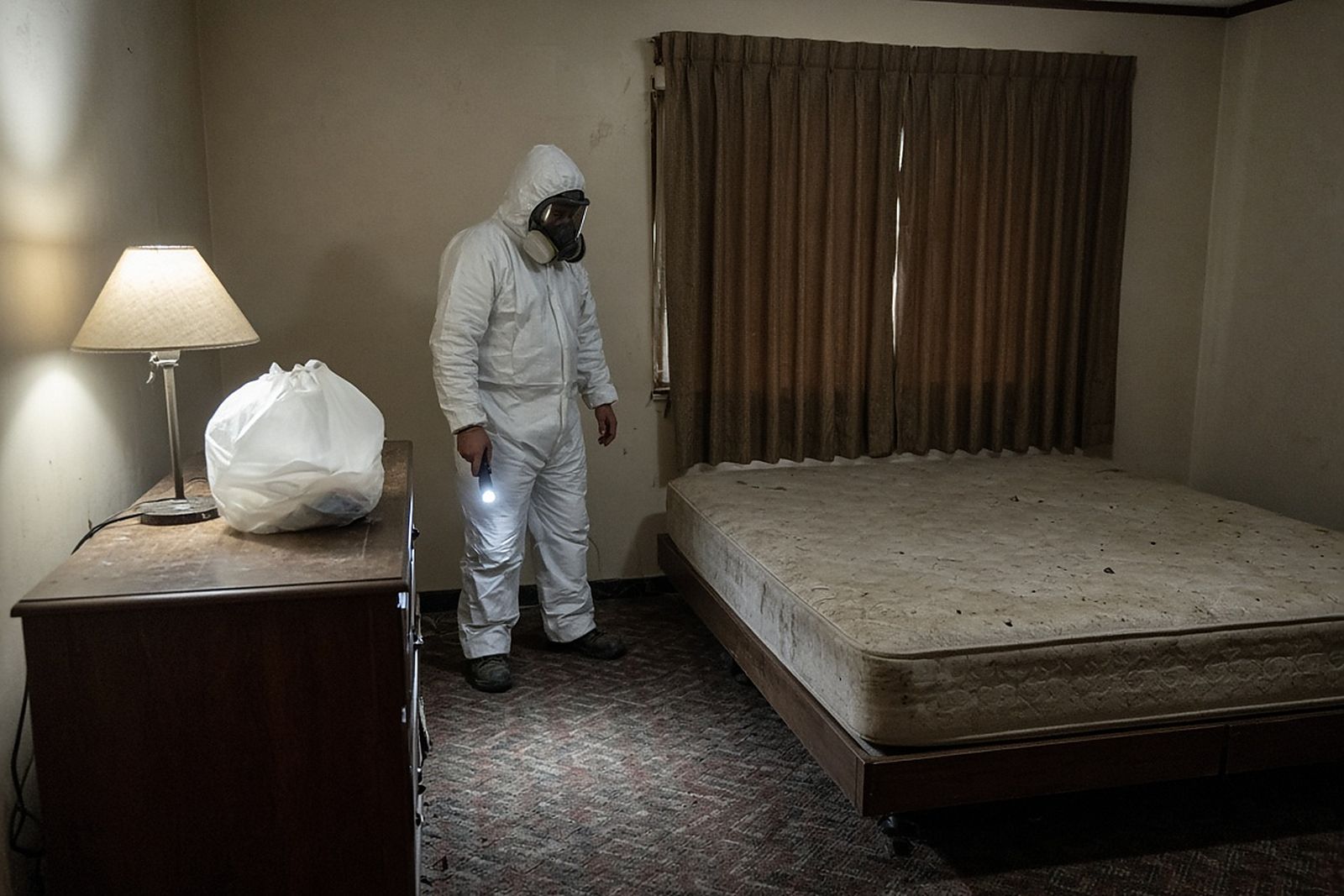
Knowledge quiz
Test whether you would make the safer call when you find foil, pipes, syringes, or unknown powder, then review the study guide.