Short answer
Finding drug paraphernalia, especially a loved one's, can trigger fear, anger, grief, shame, or numbness, and all of those reactions are normal. Support is available: the 988 Suicide and Crisis Lifeline by call or text, SAMHSA's National Helpline for treatment referrals, family support groups, and counselors experienced with substance use. You can let professionals handle the physical cleanup while you focus on yourself and the people involved.
A small object with a very large meaning
A glass pipe on a nightstand or a syringe in a bathroom drawer is a small object with a very large meaning. For a parent, it can confirm a fear they have tried not to name. For a spouse, it can feel like a betrayal. For an adult child clearing a parent's home, it can rewrite their memory of that person. For a landlord or a housekeeper, it can be frightening in a more immediate, physical way.
Many people describe a rush of competing feelings: panic about safety, anger at the person, worry for them, guilt about not noticing sooner, shame about what others might think, and sometimes relief that a hidden problem is finally in the open. Some people feel nothing at all at first and then are surprised by how strongly it hits later.
None of these reactions means you are handling it wrong. They are ordinary responses to a hard discovery. Naming them, even privately, can make the next practical decision a little easier.
If someone may be in danger
Before thinking about cleanup, think about people. If someone is unresponsive, breathing very slowly, or has blue or gray lips, call 911 right away. If you have naloxone and suspect an opioid overdose, use it as directed and stay with the person until help arrives.
If the person connected to the paraphernalia has talked about wanting to die, seems hopeless, or you are worried they might harm themselves, call or text 988 to reach the 988 Suicide and Crisis Lifeline. You can call on their behalf or encourage them to call. If you are the one feeling overwhelmed or unsafe, the same line is there for you.
If nobody is in immediate danger, it is fine to slow down. Close the door, keep others away from the items, and give yourself a moment before making any calls.
- Medical emergency or possible overdose: call 911.
- Suicidal thoughts or emotional crisis: call or text 988.
- Treatment and support referrals: SAMHSA's National Helpline, 1-800-662-4357.
- Safe space first: keep children and pets away from the items.
You are not alone, and support exists
Families often feel that they are the only ones dealing with this. The numbers say otherwise. SAMHSA's 2023 National Survey on Drug Use and Health estimated that 48.5 million Americans aged 12 or older had a substance use disorder. Behind each of those people are parents, partners, children, friends, and landlords who have faced moments like yours.
There is also reason for some hope in the broader picture. The CDC's National Center for Health Statistics reported 79,384 US drug overdose deaths in 2024, down 26.2% from 105,007 in 2023, the largest one-year decrease on record. That does not change what you are facing today, but it is a reminder that treatment, naloxone, and support do reach people.
Knowing you are not alone will not fix anything by itself. It can, however, make it easier to reach out instead of carrying this privately.
Several types of support exist, and you can use more than one. SAMHSA's National Helpline is a free, confidential service that can connect you with local treatment facilities, support groups, and community organizations, whether you are seeking help for yourself or someone else.
Peer support groups for families, such as Al-Anon, Nar-Anon, and SMART Recovery Family and Friends, bring together people living with a loved one's substance use. Some meet in person, many meet online. Hearing from others who have been through the same discoveries can be steadying.
Individual counseling with a therapist who understands substance use can help you sort through your own feelings and decide how to respond. Some therapists use approaches specifically designed to help family members encourage a loved one toward treatment while protecting their own well-being. Your primary care doctor or your health plan can often provide referrals.
If the person connected to the paraphernalia is open to help, their doctor, a local treatment program, or the helpline can be starting points. If they are not ready, support for you still matters.
Do you have to be there during the cleanup?
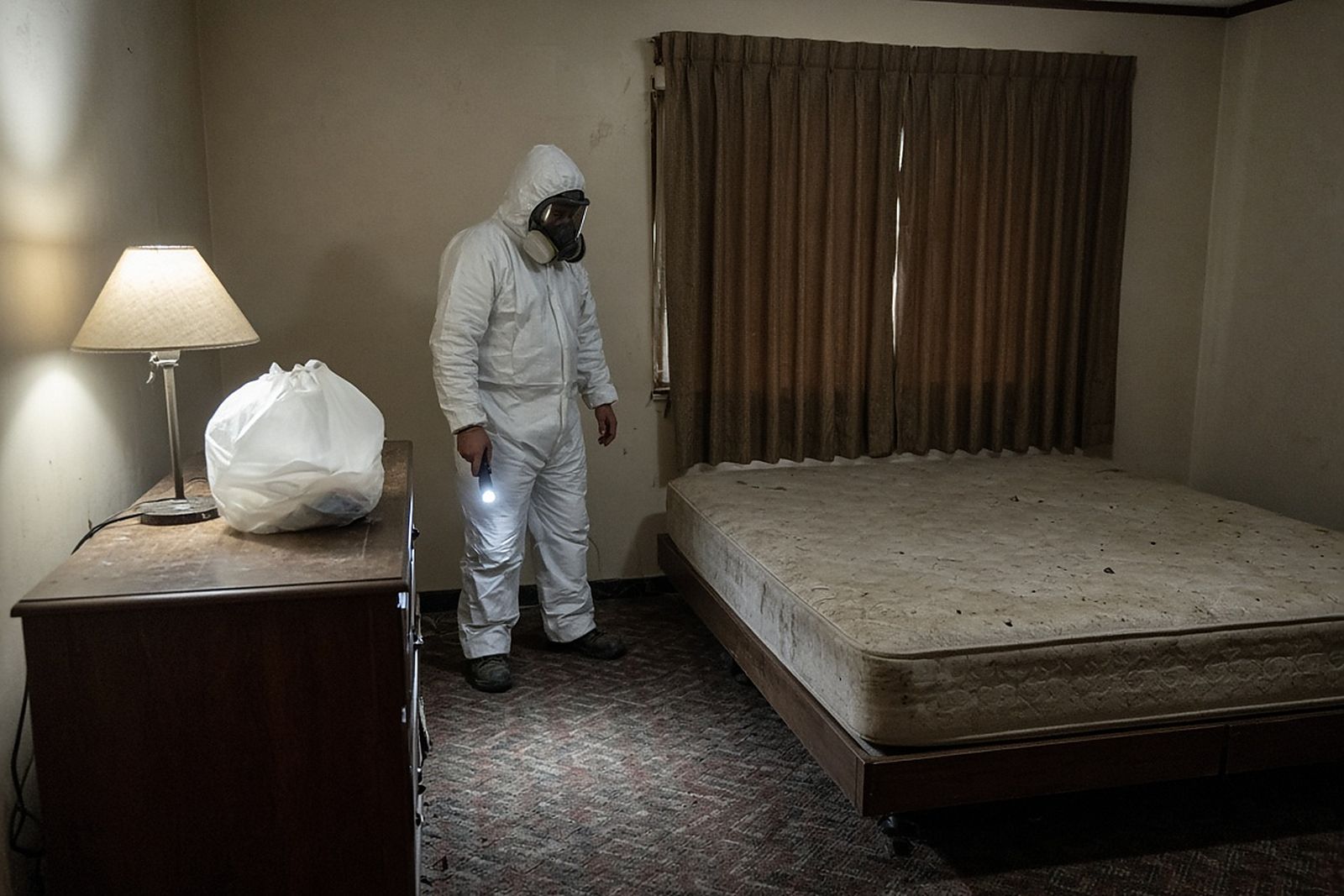
No. Many people assume they should supervise, or feel guilty about staying away. You can give the crew access, answer their questions by phone, and review photos afterward. Staying away is a reasonable choice, not avoidance.
If you do want to be present, ask the crew to explain what they are doing before they start and to let you know before anything personal is removed. You might choose to wait in another room or outside and step in only for decisions about belongings.
Ask the provider to set aside personal items, such as photos, letters, journals, and keepsakes, in separate bags so you can go through them later in a calm place. Items like these can carry emotional weight you may not be ready for on the day of the cleanup.
Talking with the person connected to the items
If the person is someone you love and they are reachable, a conversation will probably come. There is no perfect script, but a few principles help. Choose a calm moment, not the minute you find the items. Speak from your own feelings, such as "I was scared when I found this," rather than leading with accusations. Ask questions and listen to the answers.
Expect that the first conversation may not go well. Denial, anger, and embarrassment are common, and pushing harder in the moment rarely helps. It is fine to end the talk and try again later. A counselor or a family support group can help you plan what to say and how to respond to different reactions.
Be careful with ultimatums you are not prepared to keep, and avoid discussing the situation in front of children or others who do not need to know. Keep the focus on safety and connection. Mention that you have naloxone in the house if opioids are involved, and that you want them to be safe even if they are not ready to stop.
If the conversation turns to hopelessness or thoughts of dying, take it seriously and stay with them if you can. Offer to call or text 988 together.
Landlords, staff, and first finders
Mental health support is not only for family members. A housekeeper who opens a motel room, a maintenance worker who is nearly stuck by a hidden needle, or a property manager who finds a tenant's paraphernalia can all be shaken. Some may have personal histories with substance use that make the discovery especially painful.
Employers can help by checking in afterward, offering time to step away, and reminding staff about any employee assistance program. If someone had a needlestick, prompt medical follow-up can reduce anxiety as well as health risk. Your HR or safety lead and your workers' compensation carrier can confirm what reporting and follow-up your workplace requires.
Landlords handling a tenant's situation may also feel conflicted between compassion and business needs. Talking the situation through with a peer, an advisor, or a counselor can help you make decisions you feel good about later.
Taking care of yourself in the weeks after
Reactions to a difficult discovery do not always end when the cleanup does. Some people have trouble sleeping, replay the moment of finding the items, or feel on edge. Others feel sadness or anger that comes in waves. These responses often ease with time and support. If they persist, interfere with work or relationships, or feel overwhelming, reach out to a counselor or your doctor.
Small steps help. Keep regular meals and sleep as much as you can. Let trusted friends know what happened, even in general terms. Limit how much time you spend searching for information late at night. Write down questions for professionals rather than trying to solve everything at once.
Most of all, remember that the cleanup is one task inside a much bigger story. Handing that task to trained professionals frees you to focus on the parts that only you can do: caring for yourself, and, when you are ready, for the person at the center of it.