Drug Paraphernalia Cleanup: Industry Insights
Operational analysis of drug paraphernalia cleanup documentation, property-type differences, technology limits, environmental decisions, and provider business models—without invented case histories.
Industry posts look at how drug debris cleanup grew into its own specialty within biohazard cleanup. Articles explore how the spread of fentanyl changed handling practices. They explain why property managers more and more want turnovers on paper. They show how business clients such as motels, fleet operators, and stores differ from homes. Other posts discuss caring for the environment when disposing of needles. They explain how companies build a job plan that ties each step to what was found. They also show how practice has shifted toward calling in the authorities sooner when signs of drug making appear. Some posts look at how needle take-back programs and drop boxes have shaped what the public expects.
Get an email reply about drug paraphernalia cleanup
Send a short message to the follow-up inbox. A coordinator can reply by email. This form does not send emergency help; call 911 first if anyone is in danger.
This background helps you see why companies take such different approaches. Some firms grew out of crime scene work. Others grew out of junk removal or property upkeep. Each brings different habits. Knowing those roots helps you ask the right questions about needle handling, calling in the authorities, and paperwork. It also helps you spot which practices protect future tenants and which exist mainly to make a unit look ready fast for the next showing. These posts also look at how companies work with needle haulers and accredited labs. That matters because those partners decide where waste goes and how reliable any test results will be. Knowing who stands behind each step makes it much easier to see who is responsible.
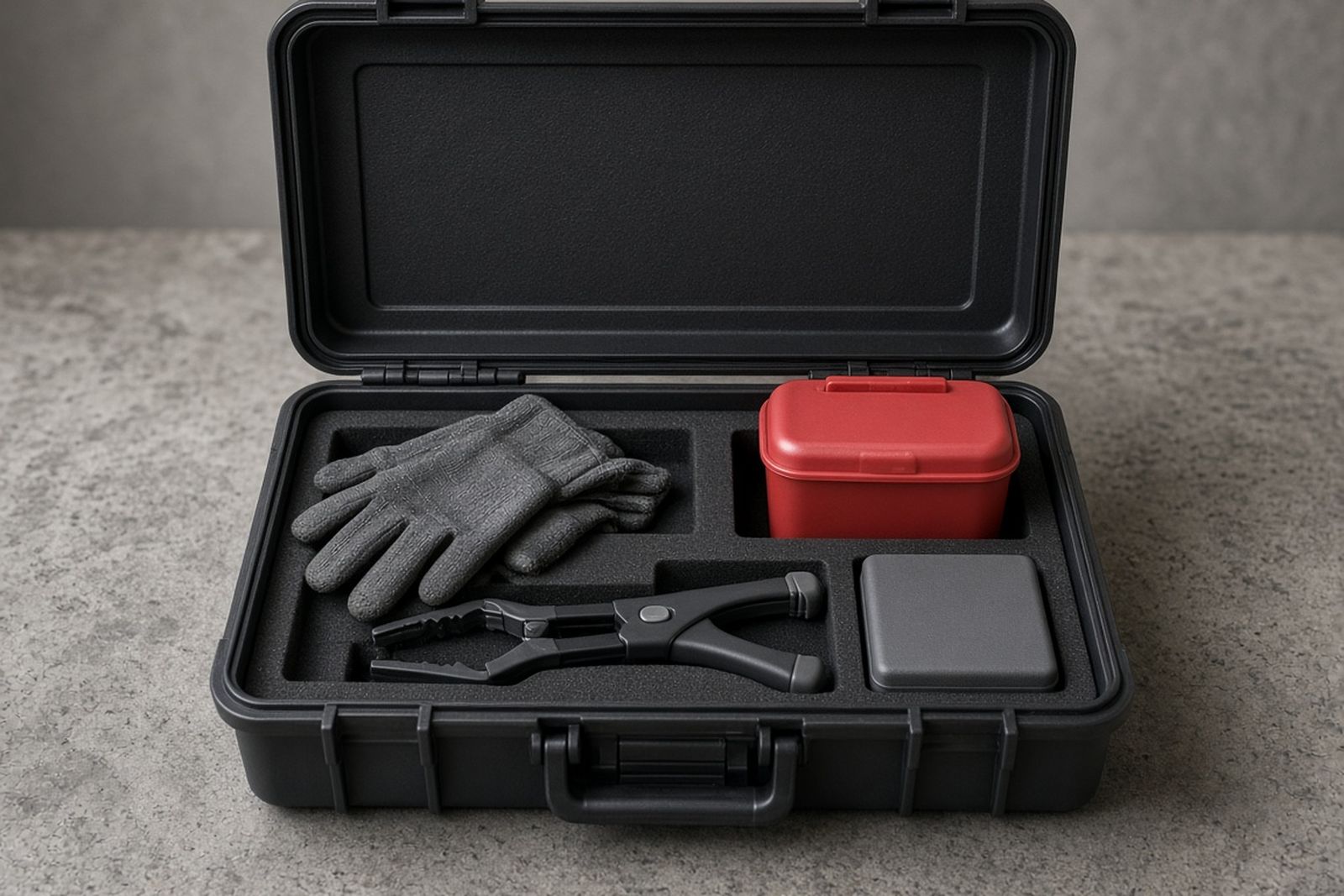
How Drug Paraphernalia Cleanup Practice Has Changed
From trash bags and bleach to sharps protocols, residue testing, and harm reduction: how drug paraphernalia cleanup changed as the drug supply changed.
Drug paraphernalia cleanup evolved from informal trash-bag removal into a specialized practice. Methamphetamine labs brought state cleanup rules and EPA guidelines, the opioid crisis made sharps handling central, and fentanyl raised new questions about residue that toxicologists and researchers have worked to answer. Today, careful crews combine sharps protocols, wet cleaning of residue, optional surface testing, and a respectful, harm-reduction mindset.
Drug Paraphernalia Cleanup for Property Managers: What You Need to Know
A property manager's guide to finding pipes, foil, or syringes in a unit: first steps, tenant notices, vendor scope, documentation, and a clean turnover.
As a property manager, your job after finding drug paraphernalia is to control access, protect staff and neighbors, document what you saw, check lease and legal obligations, and hire a provider with a written scope. Do not let maintenance staff sweep or bag unknown items. Decide who approves changes, who talks to the tenant, and what condition the unit must meet before it goes back on the market.
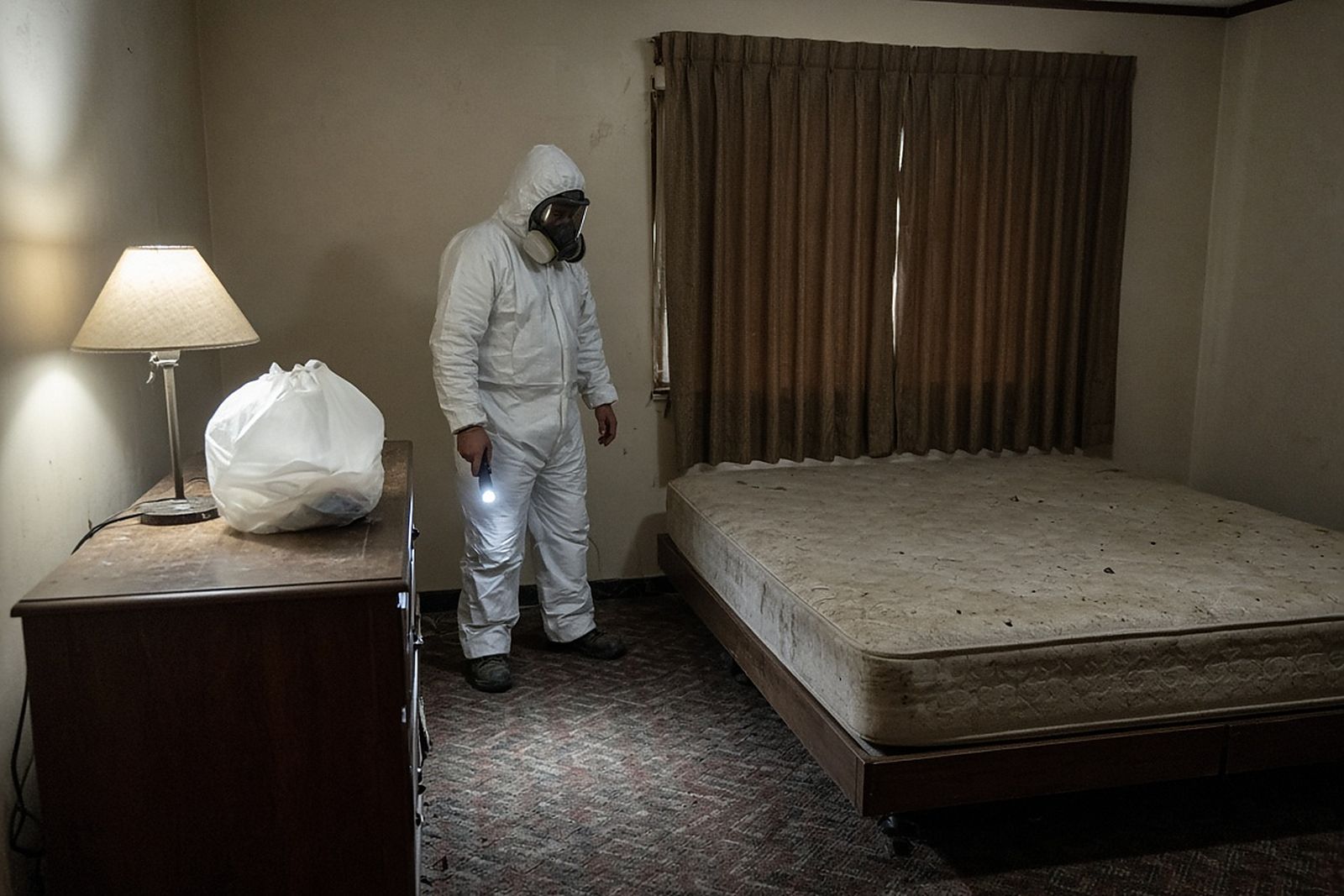
Drug Paraphernalia Cleanup Planning Example: Building a Defensible Scope
A hypothetical motel room with syringes, foil, and powder, walked through step by step to show how a defensible paraphernalia cleanup scope gets written.
A defensible drug paraphernalia cleanup scope ties every task to something observed, names who approves changes, separates search and removal from cleaning and testing, and defines the condition that allows re-entry. This illustrative example follows a hypothetical motel room from discovery to closeout so you can see how each decision is recorded and why vague scopes lead to disputes and missed hazards.
Commercial vs Residential Drug Paraphernalia Cleanup
Paraphernalia in a home differs from paraphernalia in a store restroom, hotel, or bus. Compare access, privacy, staff duties, scope, and records by setting.
Residential drug paraphernalia cleanups center on a family or landlord, private belongings, and emotional decisions about what to keep. Commercial cleanups center on public access, employee safety, business continuity, and repeat occurrences in restrooms, hotel rooms, vehicles, or grounds. The core safety methods are the same, but scope, scheduling, communication, documentation, and prevention planning differ in important ways.
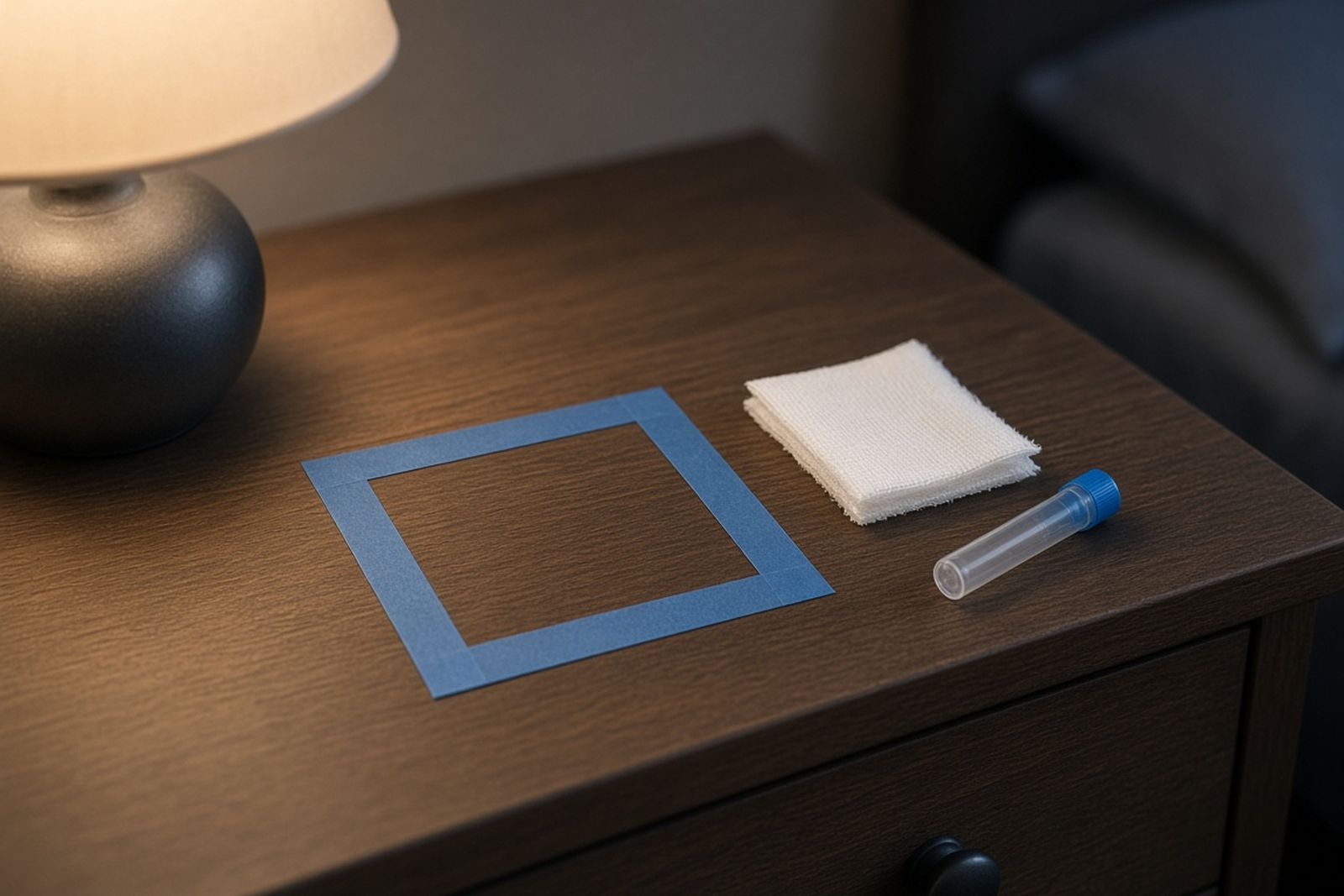
Environmental Responsibility in Drug Paraphernalia Cleanup
Where do syringes, powders, rinse water, and old mattresses go after a paraphernalia cleanup? What responsible disposal and lower-impact choices look like.
Environmental responsibility in drug paraphernalia cleanup means sharps go into rigid containers and a proper medical waste stream, drugs and residue are never flushed or dumped, rinse water is managed rather than poured outside, and soft goods are discarded only when an observation justifies it. It also means choosing effective cleaning products used at label strength and asking providers where every category of waste ends up.
Sourced figures on industry insights
- 100x morphine; 0.2–2.0 µm
EPA describes fentanyl as roughly 100 times stronger than morphine, with particles of 0.2–2.0 microns that become airborne easily.
Read with care: Potency figures vary by source and analog.
Source: US EPA (2021)Federal cleanup guidance
- 38% of surfaces
Fentanyl was detected in 25% of air samples and 38% of surface samples on 30 Pacific Northwest transit vehicles, though no surface exceeded the ACGIH limit.
Read with care: Levels were low (max 0.47 ng/cm²) and transit is not a residential setting.
Source: Journal of Occupational and Environmental Hygiene (2025)11 buses and 19 train cars, four agencies
- 0.54
Wall-wipe concentrations ranged from 0.54 to 110 micrograms per 100 square centimetres.
Read with care: One property; no general prevalence or current clearance threshold inferred.
Source: Wright et al. (2019)One Australian home with suspected former manufacture, sampled more than five years later.
These figures are public research and agency data, not this network's own job records. Keep each number with its population, year and limits; none of them predicts cost, timing or outcome at a specific property.
What research has found
Findings from published studies of people and properties in situations like this one. They describe what researchers observed in a specific group; they are not predictions for your case.
Wearing needlestick-resistant gloves was associated with lower adjusted injury odds.
Inhalation could contribute exposure beyond skin contact and incidental ingestion.
Industry Insights: common questions
How has fentanyl changed the way crews handle drug debris?
Many companies now treat unknown powders as high risk by default. They use wet methods, careful glove changes, and steps that avoid making dust. Carrying naloxone has become common for crews. These changes reflect caution about unknown substances. That is true even though normal skin contact is generally thought to carry a low overdose risk.
Why do property managers ask for documented turnovers?
Paperwork shows that the unit was searched and cleaned before a new tenant moved in. That helps if questions come up later. It also supports insurance claims and security deposit choices. A clear report with photos and where items were found gives managers a record they can rely on across all their buildings.
Are fleet vehicles a growing part of paraphernalia cleanup?
Fleet operators, rental companies, and rideshare owners more and more look for companies that can safely clean vehicles after drug debris is found. Vehicles have tight spaces, fabric surfaces, and air systems that can hold residue. Companies that serve these clients usually build their own search and cleaning steps for cars and trucks.
Is paraphernalia cleanup becoming more standardized?
Practices are coming together in some areas. Examples are wet methods for powder, no-touch needle pickup, and itemized reports. But there is still no single industry standard for places where drugs were only used. Some states and agencies have issued advice for certain settings, and trade groups offer training. Until standards firm up, the best sign is a company that can explain its methods and name the sources behind them.
How are property management companies changing their procedures?
Many are writing short staff guides and stocking basic supplies to secure a space. They choose a company before they need one. They require turnovers on paper, with photos and disposal records. Some track events across their buildings to spot patterns. These steps cut down on staff making it up as they go. They also give managers a steady record for insurers, deposit disputes, and future tenants.
What role do harm reduction programs play for property owners?
Programs such as syringe services and public disposal boxes give people who use drugs safer places to throw away needles. That can reduce how many end up in stairwells, parks, and trash. Many also hand out naloxone and connect people with treatment. Owners dealing with repeat finds can ask their local health department if such programs run nearby and how to work with them.
Will residue testing become a routine part of rental turnovers?
It is hard to predict. Testing is more common where heavy smoking is suspected or vulnerable occupants are moving in, and some buyers and housing programs ask for it. Cost and the lack of settled reference values for personal-use sites limit routine use. For now, most turnovers rely on a documented search and cleaning, with sampling added when there is a specific reason for it.
Related community polls
Every count is a real visitor vote; nothing is seeded or padded. One vote per poll per device, and you can change your answer.
You open a vacated rental and see foil, a pipe, and one syringe. What is your first move?
Which hazard worries you most in a unit with drug debris?
More on drug paraphernalia cleanup
Drug Paraphernalia Cleanup services
See how needle pickup, residue cleaning, vehicle work, and turnover paperwork fit together, and what to expect from a company on site.
Costs explained
What drives the price, published cost ranges, and how to read a written quote line by line.

Insurance and payment
Which policies may respond, how to document a claim, and what to do if coverage is denied.
Planning tools
Work through planners, classifiers, and checklists built for rentals, motels, vehicles, and vacant homes where drug debris has been found.
Community polls
Compare your gut calls with other owners and managers on police reports, what to tell tenants, who pays, and when lab testing is worth it.
Knowledge quiz
Test whether you would make the safer call when you find foil, pipes, syringes, or unknown powder, then review the study guide.