Short answer
Residential drug paraphernalia cleanups center on a family or landlord, private belongings, and emotional decisions about what to keep. Commercial cleanups center on public access, employee safety, business continuity, and repeat occurrences in restrooms, hotel rooms, vehicles, or grounds. The core safety methods are the same, but scope, scheduling, communication, documentation, and prevention planning differ in important ways.
What stays the same in every setting
Whether it is a spare bedroom or a gas station restroom, the hazards do not change. Used syringes can cause needlestick injuries. Unknown powders might contain potent synthetic opioids. Burnt foil, glass stems, and smoking residue can leave film on surfaces. Blood and other body fluids may be present.
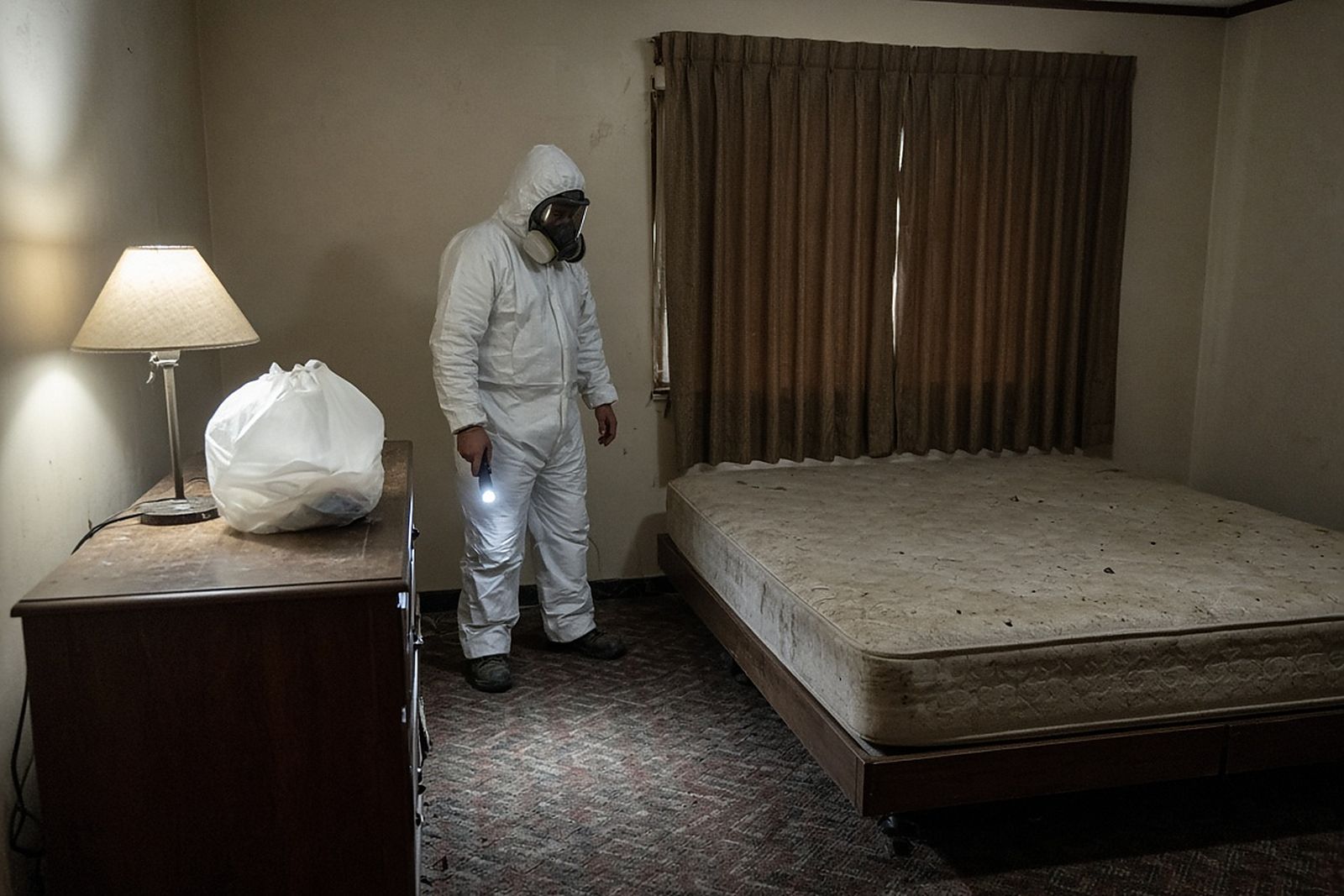
The safe methods do not change either. Nobody handles sharps by hand; they are picked up with tools and placed directly into rigid containers. Loose powder is never swept or vacuumed dry. Workers wear gloves, eye protection, and often respiratory protection. Every area is searched systematically rather than glanced over.
What changes between settings is almost everything around those methods: who is affected, who must be notified, when the work can happen, how much belongs in the scope, and how the result is documented. Those differences are the focus of this article.
Residential jobs: personal, private, and unhurried
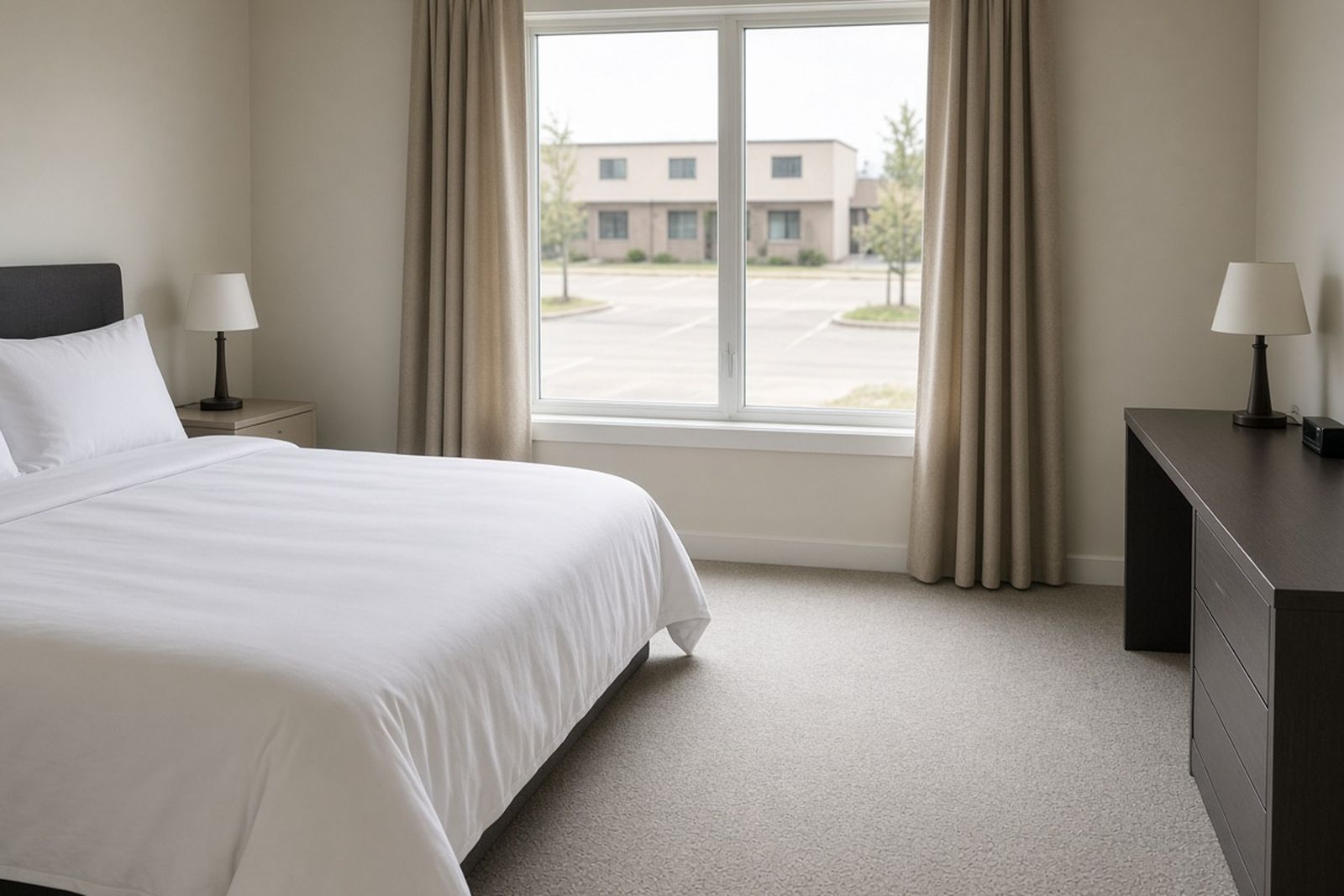
In a home, the discovery is usually personal. A parent finds items in a teenager's room. An adult child clears a late parent's house. A property owner walks into a rental that was just vacated. Emotions run high, and decisions about belongings carry weight far beyond their monetary value.
A good residential provider slows down around those decisions. They ask what you want to keep, bag personal items such as photos, papers, and keepsakes separately, and explain why certain soft goods might need to go. They search thoroughly because children, pets, and visitors may use the space again soon.
Privacy matters too. Families rarely want neighbors to know what happened. Unmarked vehicles, discreet arrival times, and crews who do not discuss the job outside the home are common requests, and reasonable ones.
Residential scopes also tend to touch on the person connected to the space. If a family member is still living there and struggling with substance use, the cleanup may be one step in a much longer process. Treatment resources, family support groups, and, in a crisis, the 988 Suicide and Crisis Lifeline can matter as much as the physical work.
Commercial jobs: staff, customers, vehicles, and repeat discoveries
Commercial settings bring the public into the picture. Restrooms in stores, restaurants, libraries, and parks; hotel and motel rooms; transit vehicles; parking structures; stairwells; and landscaped areas all see paraphernalia left behind by people who are not employees or tenants.
Here the primary concerns are protecting employees who might encounter items during routine work, protecting customers and guests, and keeping the business running. Discovery is often not a one-time event. A restroom or a stairwell may see the same problem week after week.
Drug use is common enough that most businesses open to the public will face this at some point. SAMHSA reported that in 2023, 70.5 million Americans aged 12 or older, or 24.9%, used an illicit drug in the past year. Not all of that use involves paraphernalia left in public places, but it helps explain why so many businesses need a plan rather than an improvised reaction.
Commercial jobs also carry employer obligations. Staff who may encounter sharps need training, protective equipment, and a clear procedure. Your safety advisor or your state's occupational safety and health office can confirm which workplace requirements apply to your operation.
Vehicles sit between residential and commercial. A family car is personal property, but a rideshare fleet, a rental car, or a public bus is a workplace and a public space. Enclosed interiors, fabric seats, and ventilation systems can all hold residue.
Researchers have looked at this directly. Writing in the Journal of Occupational and Environmental Hygiene in 2025, investigators who sampled 30 Pacific Northwest transit vehicles reported fentanyl in 25% of air samples and 38% of surface samples, while noting that no surface exceeded the ACGIH limit. Those results suggest that transit operators should take residue seriously while avoiding assumptions that every detection signals danger.
For fleets, a written protocol that covers who removes a vehicle from service, who cleans it, and when it returns is more valuable than any single cleaning.
Timing and access control
In a home, the schedule usually revolves around the family. Work may happen while everyone is away, or while a family member waits in another room. Access is controlled by one or two people.
In a business, scheduling revolves around operating hours and public safety. A hotel may need a room back in inventory quickly. A retailer may close a restroom but cannot close the store. A transit agency may pull a bus from service and needs it back on the road. Crews often work after hours, in shifts, or in phases so that affected areas are closed while the rest of the operation continues.
Access control is also more complex. Commercial sites need clear signage, barriers, and communication with staff so that nobody wanders into an area mid-search. The scope should say who can close an area, who can reopen it, and how employees are told.
- Residential: flexible timing around the household.
- Commercial: work windows around operating hours.
- Commercial: signage and barriers for public areas.
- Both: a named person who approves reopening.
One discovery, two scopes
The contrast is clearest when the same items turn up in two places. Say several syringes and a burnt spoon are found in an adult child's bedroom after they move out, and the same kind of items plus a small bag of powder are found in a supermarket's customer restroom.
The home cleanup centers on that bedroom, possibly the bathroom the person used, and their belongings. The crew asks what the family wants to keep, packs personal items for later review, and explains when a mattress should go. They search every drawer and shelf, clean the room, and walk the family through the results. The conversation often includes where to find family support.
The store cleanup centers on the restroom, the nearby hallway, and the trash receptacles. The manager closes the restroom with a sign, keeps the rest of the store open, and schedules the crew for after closing. The search covers ceiling tiles, the toilet tank, the hand dryer housing, and the paper towel dispenser before every surface is cleaned. Afterward the manager gets a report, updates the store's sharps procedure, and may ask about a sharps disposal container for the restroom.
Same hazards, same methods, very different scopes, conversations, and follow-up.
Documentation, costs, and insurance
Residential documentation is usually for the family, a landlord, or an insurer. It should show what was found, what was removed, which personal items were preserved, and what cleaning was done. Photos and a sharps count are often enough.
Commercial documentation often serves more audiences: corporate safety teams, insurers, regulators, and sometimes attorneys. It should include dates and times, areas closed and reopened, employees involved in discovery, the sharps count, waste disposal records, and any exposures reported. Many businesses keep incident logs to spot patterns across locations or seasons.
In both cases, keep the records together. They are far more useful later than a memory of what probably happened.
Homeowners often ask whether their policy will help. The answer depends entirely on the policy language, the cause of the contamination, and the insurer's view of the facts. Some policies exclude damage connected to illegal activity, while others may respond to specific kinds of loss. Call your agent, describe what happened factually, and ask for the answer in writing before assuming either way.
Landlords face a slightly different set of questions. A rental dwelling policy, the lease, and the security deposit rules in your state all play a role. Keep the provider's invoice and report aligned with any deposit deductions, and review the process with counsel.
Businesses usually have commercial property and general liability coverage, and some carry specialized policies. The more pressing commercial question is often internal: which budget pays for recurring restroom or stairwell cleanups, and whether a standing service agreement with a provider makes more sense than calling for each event. Tracking how often discoveries happen, and where, helps answer that honestly.
In every setting, ask the provider for an itemized scope rather than a single lump figure. Clear line items make insurance, deposit, and budget conversations far easier, and they let you see whether you are paying for search and removal, cleaning, soft goods disposal, testing, or all of them.
What prevention steps make sense in each setting?
At home, prevention is mostly about the people involved: honest conversations, treatment when someone is ready, and keeping naloxone available if opioids are a concern. Physical measures matter less than connection and support.
In commercial spaces, physical measures carry more weight. Well-lit restrooms, regular staff checks on a set schedule, sharps disposal containers where use is known to occur, clear staff procedures, and training on no-touch pickup all reduce risk. Some businesses coordinate with local harm-reduction or outreach programs.
Whichever setting you are in, choose a provider who understands the difference. A crew that brings the same tone and the same scope to a grieving family and a busy hotel is missing half of the job.