Short answer
How long drug paraphernalia cleanup takes depends on the size of the search area, how many items are hidden, whether residue has soaked into soft materials, and whether testing is needed afterward. A small, contained find can be finished in a single visit. A heavily used home with residue, blood, and clutter can take several visits spread across days, plus lab turnaround time.
Why no one can quote a time over the phone
When you call a cleanup provider, one of the first things you want to know is how long your home, rental, or business will be out of use. It is a fair question, and a good provider will give you a working estimate after they understand the situation. What they should not do is quote a fixed number before they know what they are walking into.
Paraphernalia jobs vary more than most cleanup work. Two calls that sound similar on the phone, such as found needles in a bedroom, can turn out very differently once the crew starts looking. One room may hold a handful of items in plain sight. Another may have sharps tucked into mattresses, ceiling tiles, and coat linings, plus residue on every surface near the bed.
The honest answer, then, is that time depends on a short list of factors. Knowing those factors helps you understand the estimate you receive and plan around it.
Before the crew starts: assessment, releases, scheduling
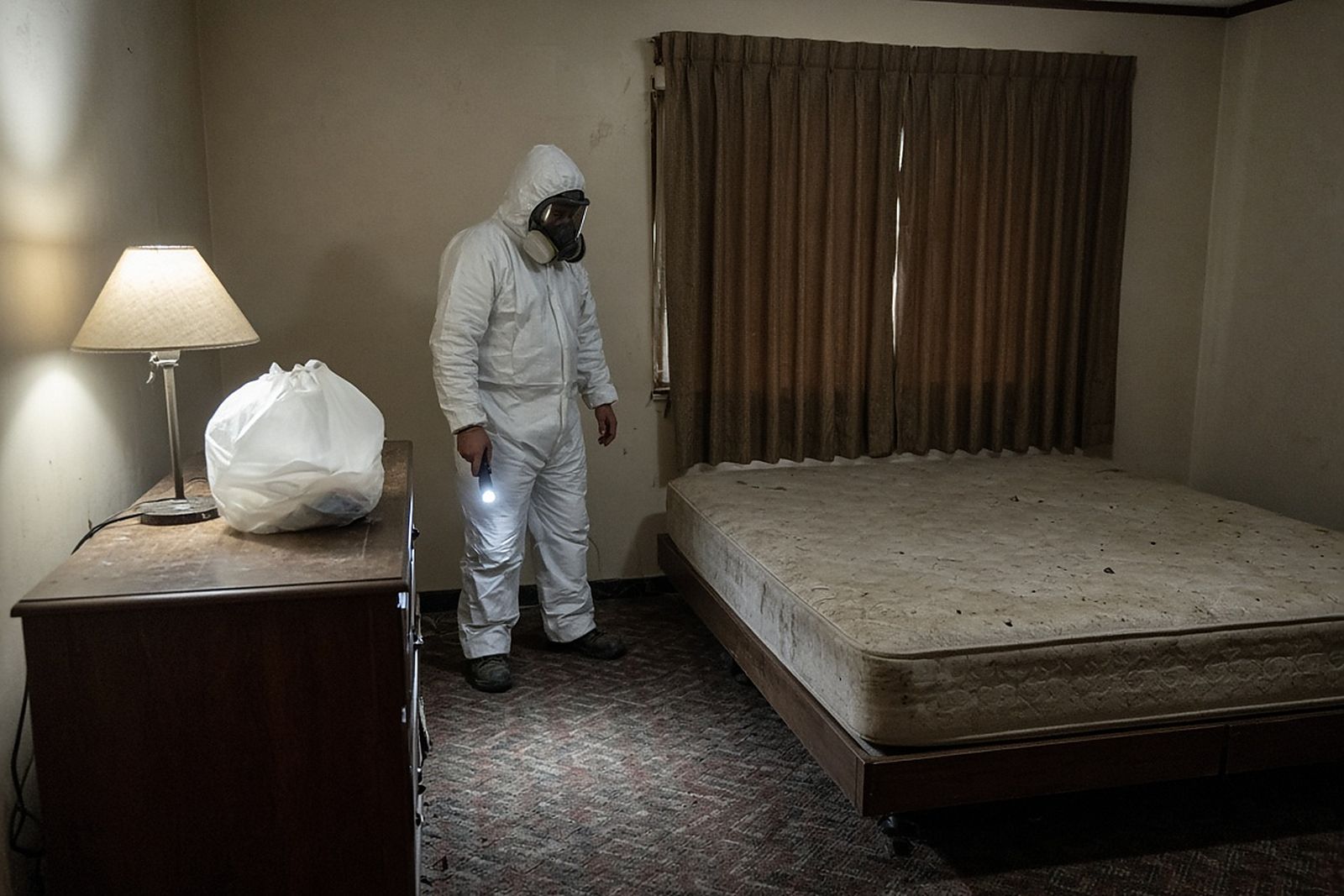
The first stretch of time goes to assessment. A lead technician walks the space, notes visible items, asks what you have already seen or moved, and looks for signs of hidden paraphernalia or residue. They decide which rooms are part of the job, what protective gear is needed, and whether any items need special packaging.
If law enforcement was involved, there may be a waiting period before cleanup is allowed. Police may need to finish documenting the scene or release it formally. Rules vary by state and county; verify with the local authority whether you need a release before a cleanup crew can begin.
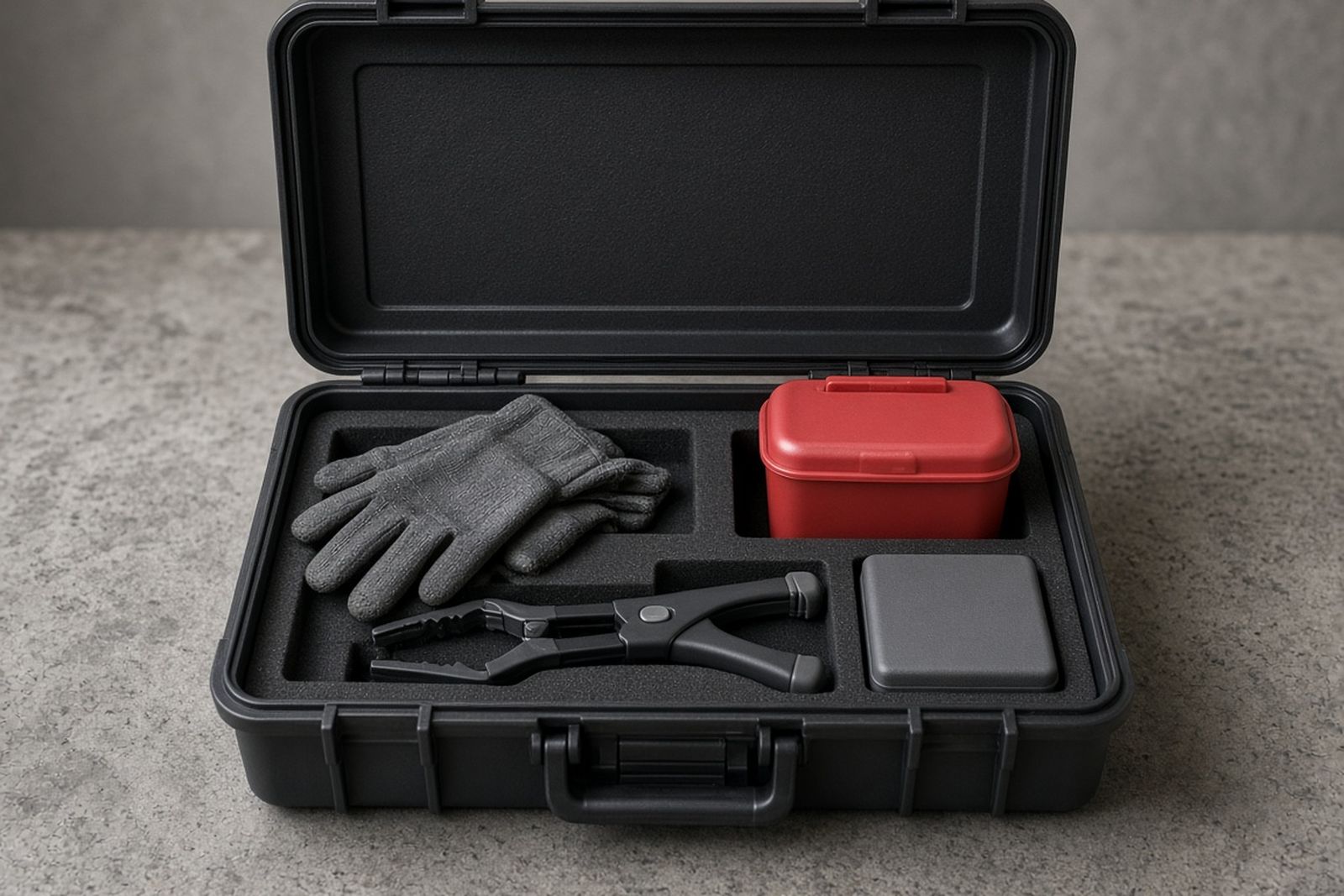
Scheduling also takes time. A provider may need to arrange a sharps container supply, a vehicle for waste transport, or a second crew member for larger jobs. Some offer faster scheduling for urgent situations, such as a unit that must be ready for a new tenant or a business that cannot open until the space is safe.
The search is usually the longest phase
Searching is often the longest phase. Crews do not just remove what they can see; they check the places items are usually hidden. That means lifting mattress corners, opening drawers, checking under sinks and inside toilet tanks, looking behind appliances, examining pockets and bags, and sometimes checking above ceiling tiles or inside vents.
Each of these checks is done carefully, with eyes before hands and tools before fingers. That care is what keeps technicians safe from hidden needles, and it cannot be rushed. A studio apartment with little furniture is quicker to search than a cluttered house with many rooms, closets, and storage areas.
Clutter changes the equation more than square footage does. A home with piles of clothing, boxes, and belongings requires the crew to move through each pile methodically. If the home also shows signs of hoarding, the job may need to be planned in stages.
- Number of rooms and storage spaces to be searched.
- Amount of clutter, soft goods, and stored belongings.
- Hidden areas such as ceilings, vents, and wall cavities.
- Outdoor areas such as yards, sheds, or vehicles included in the scope.
Residue and blood cleanup
Removing paraphernalia is only part of the job. If residue from smoking or powder handling has settled on surfaces, or if blood is present from injection, those areas need cleaning and disinfection. That work has its own pace, set by the materials involved.
Hard, sealed surfaces such as counters, tile, and glass are cleaned relatively quickly, though each still needs the full contact time listed on the disinfectant label. Porous materials take longer. Carpet, upholstery, mattresses, and unfinished wood may need to be removed and bagged rather than cleaned, and removal itself takes time.
Walls and ceilings in rooms where substances were smoked heavily may need repeated cleaning passes. In some situations, a provider may recommend sealing or painting surfaces after cleaning. If that is part of the plan, drying and curing times add to the overall schedule.
Does testing lengthen the process?
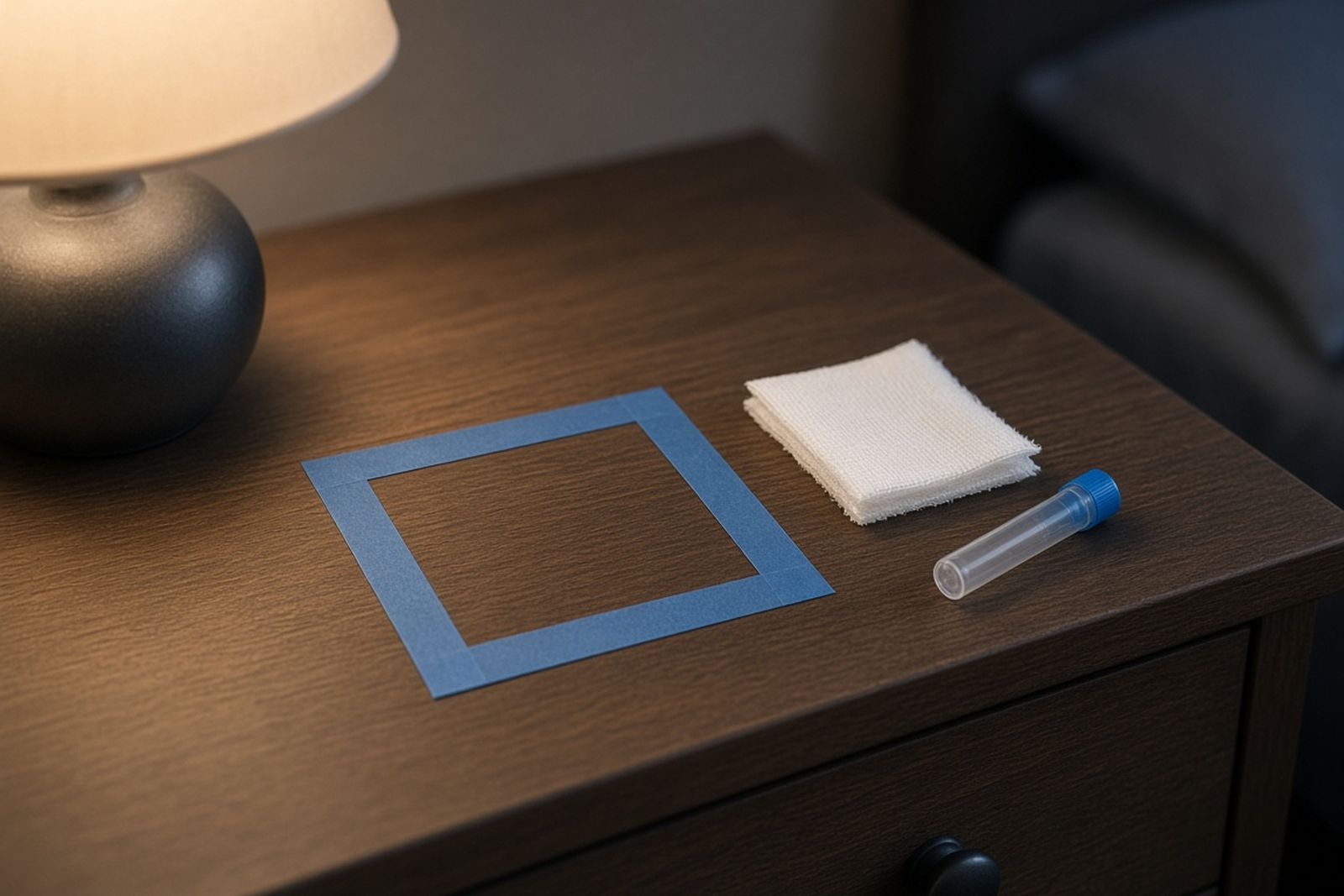
Some situations call for surface testing after cleanup, especially where powders were present or where a home will house young children. Testing involves taking wipe samples from selected surfaces and sending them to a laboratory. The sampling itself is quick; the lab turnaround is what adds time.
If results show residue above the level your jurisdiction or client requires, the crew may need to clean again and retest. That cycle can extend the timeline, but it also provides documented confirmation that the space meets the standard.
Standards differ, and formal cleanup values exist mainly for former drug labs, which are far larger jobs than most paraphernalia cleanups. Ask your provider and your county health department what benchmark, if any, applies to your case.
A realistic timeline, step by step
To give that some shape, take a made-up but ordinary case. Say you manage a small rental duplex. After a tenant moves out, your maintenance worker finds syringes in the bathroom trash, burnt foil behind the toilet, and a small bag of white powder on a closet shelf. The bedroom carpet has several dark stains.
The first visit would begin with an assessment and a careful search of every room, including the attic hatch and the crawlspace access. The crew would collect all sharps into rigid containers, bag the foil and powder without opening anything, and photograph each find for your records. That visit alone might take most of a working day, depending on what the search turns up.
A second visit might focus on the stained carpet, which could be removed along with the pad, and on cleaning and disinfecting hard surfaces in the bathroom and bedroom. If you requested testing, samples would be taken after cleaning and sent to a lab. Once results came back within the agreed benchmark, you could schedule new flooring and prepare the unit for the next tenant.
In total, you would be looking at several days from first call to a unit ready for repairs, with the exact span depending on scheduling, the search results, and lab turnaround.
What speeds the job up, and what slows it down
There are ways to help the process move efficiently. Most involve preparation and clear communication rather than asking the crew to work faster.
Tell the provider everything you know when you first call: where items were found, what they looked like, whether anyone moved anything, and whether there are pets, children, or other occupants. Share photos taken from a safe distance. Clear a path for the crew to reach the affected rooms, but do not move or sort anything that might be paraphernalia.
If you are a landlord or property manager, make sure the crew has keys, access codes, and permission to enter every area in scope. Decide in advance who will approve extra work if the crew finds more than expected. Delays often come from waiting on a decision rather than from the work itself.
Even with a careful estimate, surprises happen. The most common is simply finding more than anyone expected. Sharps tucked into places nobody mentioned, such as inside a couch frame or a heating vent, extend the search. So does discovering that residue or blood has reached areas outside the original scope.
Other delays come from outside the cleanup itself. A police release that takes longer than expected, an insurance adjuster who needs to see the space before work begins, or a lab with a backlog can all add days. Weather can affect outdoor searches and waste transport.
A good provider will tell you promptly when the scope changes and explain what it means for your timeline. You should never be surprised by an extended schedule at the end of the job.
Planning around the cleanup
If the space is your home, plan to stay elsewhere until the crew tells you it is safe to return, particularly if children or pets live with you. Pack essentials before work starts, and let the crew know if there is anything you need retrieved from the affected rooms.
If the discovery involves someone you care about, the practical timeline is only part of what you are managing. It is okay to let the crew handle the space while you focus on yourself and your family. If someone is struggling with substance use, the SAMHSA National Helpline offers free, confidential support, and if anyone is in crisis or thinking about suicide, calling or texting 988 connects you with the 988 Suicide and Crisis Lifeline.