Short answer
PPE for drug paraphernalia cleanup should follow a hazard assessment of what is actually present: sharps, blood, burned residue, loose powders, or signs of drug preparation. Most jobs call for nitrile gloves, puncture-resistant outer gloves and boots, eye protection, and no-touch tools. Visible powders or heavy residue may add disposable coveralls and a fit-tested respirator, along with careful removal and handwashing.
Why gear is chosen site by site
Drug paraphernalia cleanup covers a wide range of scenes. One job might be a bedroom with a few glass pipes and some burned foil. Another might be a vehicle with scattered syringes and blood on the seats. A third might be a motel room where powders were cut and bagged on a table. Each presents different hazards, and a single outfit does not fit all of them.
A hazard assessment looks at what is visible and what might be hidden. Are there sharps? Is there blood or other bodily fluid? Is there powder or residue on surfaces, and is it loose or dried in place? Is the space ventilated? Are there signs of drug manufacturing, which would call for a different kind of response entirely?
What you should expect from any provider is an explanation of why its technicians are dressed as they are for your site.
Baseline gear for most jobs
For a typical residential or commercial cleanup with pipes, foil, baggies, and a modest number of syringes, crews usually start with a core set of protection. The emphasis is on the hands, feet, and eyes, since those are the most common routes for injury and contamination.
Nitrile gloves are the standard inner layer because they resist many chemicals and are easy to change often. The outer puncture-resistant layer protects against glass shards and needles, though no glove makes a hidden needle harmless. That is why tools and careful searching matter so much.
Glass pipes and broken bulbs deserve their own caution. Heated glass can be brittle, and shards hide easily in carpet fibers and bedding. Technicians pick up glass with tools, place it in rigid containers rather than soft bags, and avoid pressing down on piles of debris where a sharp edge could be hiding.
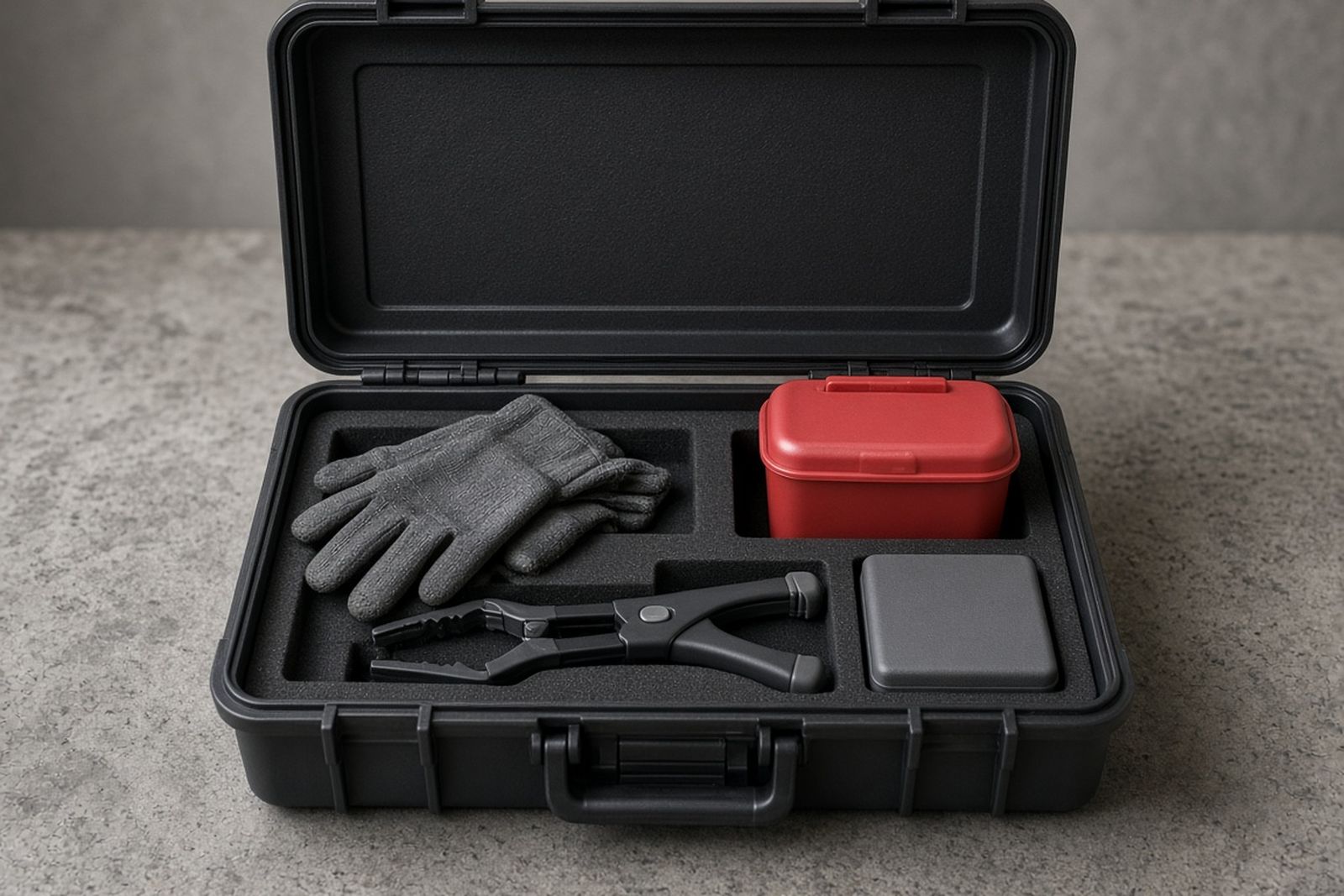
- Disposable nitrile gloves, changed often and whenever torn.
- Cut- and puncture-resistant outer gloves for handling debris.
- Boots with puncture-resistant soles.
- Safety glasses or goggles.
- Tongs, grabbers, and forceps for sharps and small items.
- Rigid sharps containers and heavy-duty bags for other debris.
When should a crew add coveralls and respirators?
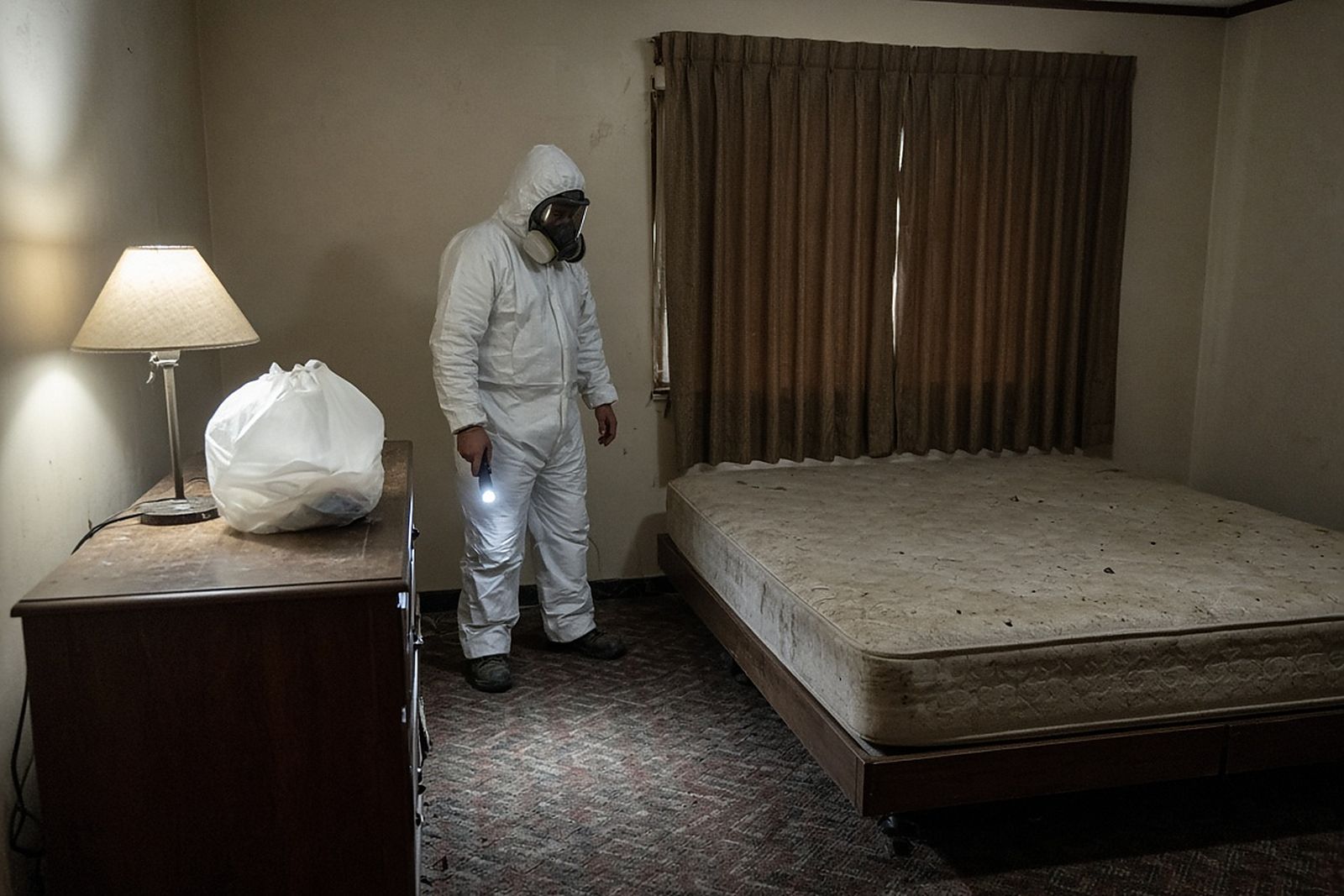
Visible powders, heavy smoke residue, or a large volume of contaminated debris change the calculation. Loose powders can become airborne when disturbed, and residue on clothing can travel home with a worker. In those settings, a provider may add disposable coveralls, shoe covers, and a fit-tested respirator.
Respirator choice depends on the hazard. A half-mask with P100 filters handles particles; a full-face respirator adds eye protection. Some settings may call for combination cartridges if chemical vapors are a concern. Any respirator program requires medical clearance and fit testing for each wearer.
Signs of drug manufacturing, such as unusual chemical containers, glassware, tubing, or strong chemical odors, are a different category. Those scenes should be reported to law enforcement and handled by specialists trained for clandestine lab response. A paraphernalia cleanup crew should stop and step back if it encounters them.
Ventilation works alongside gear. Opening windows, using fans to exhaust air outdoors rather than recirculate it, and turning off central heating and cooling during work all reduce what technicians breathe. These steps also keep residue from traveling through ductwork to other rooms or units.
How much fentanyl risk does PPE need to address?
Fentanyl is a real concern, but the risk from skin contact is often misunderstood. To put skin contact in perspective, a 2017 position statement from the American College of Medical Toxicology and American Academy of Clinical Toxicology explains that even with both palms fully covered in fentanyl transdermal patches, absorbing 100 mcg would take about 14 minutes, and such patches take 3–13 hours to reach therapeutic blood levels. Brief touches of residue are a far cry from that.
Residue is still worth taking seriously because it can be carried to the mouth or eyes. Low-level residue can be spread across surfaces wherever people have used drugs, even when nothing is visible.
The sensible response is consistent glove use, no eating or touching the face in the work area, and washing hands with soap and water after work. Alcohol-based sanitizers are not recommended for removing drug residue from skin. Crews should carry naloxone and know how to recognize an overdose.
Bloodborne risks the gear guards against
Used syringes and blood-contaminated items carry a risk of bloodborne infections, mainly hepatitis B, hepatitis C, and HIV. The Canadian Paediatric Society cited occupational needlestick transmission risks of 2–40% for hepatitis B, 3–10% for hepatitis C and 0.2–0.5% for HIV from a known-positive source in its 2018 statement. The source of a discarded needle is usually unknown, and actual risks in community settings are often lower, but the potential consequences justify care.
PPE helps by putting barriers between the worker and blood. Gloves protect hands from contact with blood on surfaces. Eye protection guards against splashes when handling saturated items. Puncture-resistant layers reduce, though do not eliminate, the chance of a stick.
Vaccination completes the picture. Technicians who have completed the hepatitis B vaccine series are well protected against that virus, which is one of the most transmissible.
Taking PPE off safely
Taking PPE off is a critical step. Contamination on the outside of gloves and coveralls can transfer to skin, phones, or vehicle interiors in seconds if removal is careless.
A good routine starts with outer gloves, then coveralls rolled inside out, then eye protection and respirator handled by the straps, and finally inner gloves. Each item goes into a bag as it comes off. Hands are washed immediately with soap and water.
Reusable items like respirators, goggles, and tools are cleaned before they go back in the vehicle. Disposable gear is bagged with other contaminated debris and handled according to local waste rules. Some crews also change into clean clothing before driving to the next job.
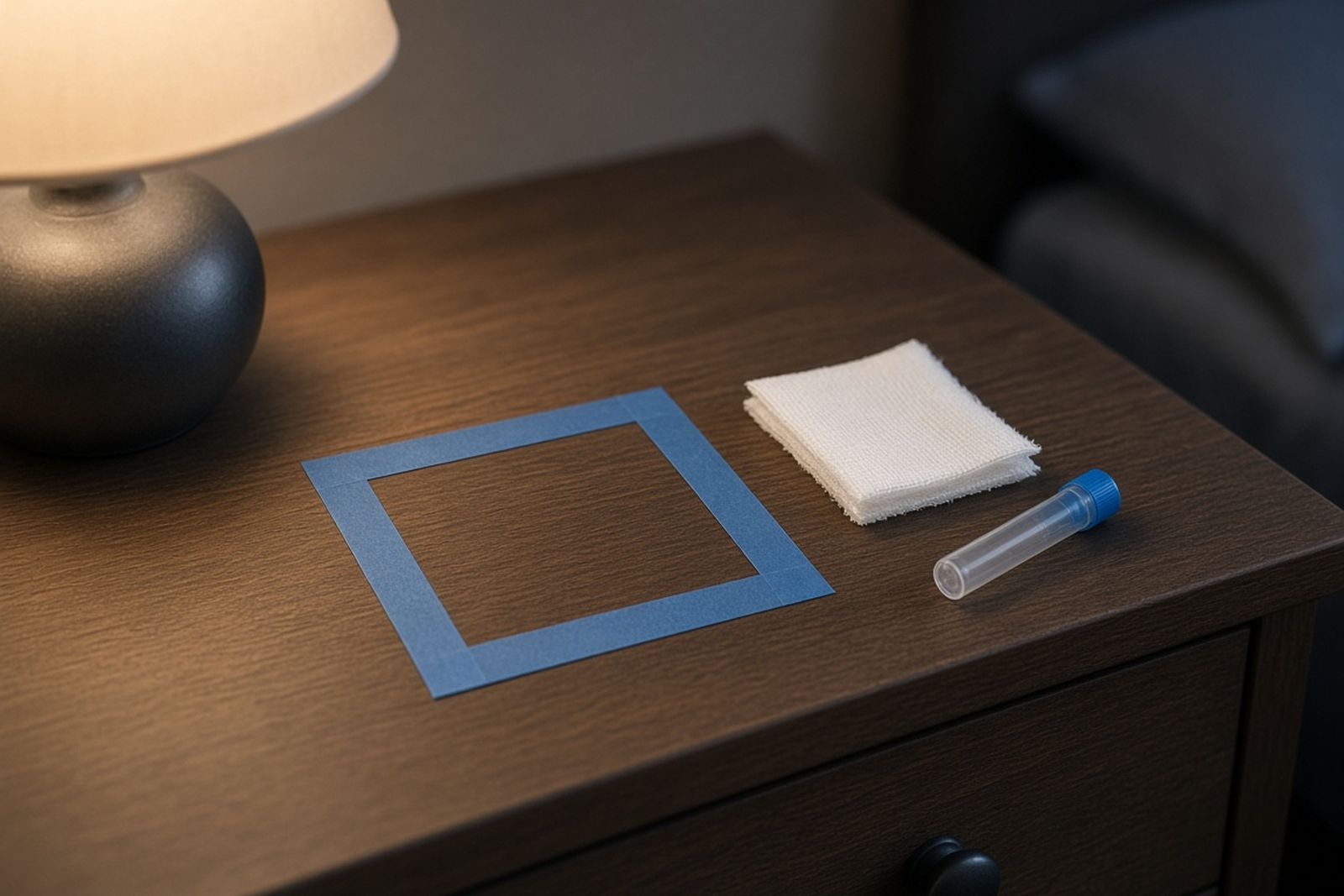
Where the crew removes gear matters too. Setting up a marked spot near the exit, with bags ready and a place to set clean items, keeps contaminated clothing from being carried through hallways or into the vehicle. In apartment buildings, that spot should be inside the unit rather than in a shared corridor.
Worked example: a vehicle
Cars show how the pieces fit together, so here is an invented but realistic case. A family asks a cleanup company to clear out a relative's car after he entered treatment. They mention finding syringes under the seats, some burned foil, and powder in the center console. They want the car cleaned so they can sell it.
The technician assesses the car before starting. Because of the syringes, she plans for puncture-resistant outer gloves, nitrile inner gloves, and no-touch tools. Because of the powder in a confined space, she adds a half-mask respirator with P100 filters, goggles, and disposable coveralls. She keeps the doors open for ventilation throughout.
She searches systematically with a flashlight and tools, checking seat tracks, door pockets, and the space between seats and console. Sharps go into a rigid container. She collects the powder with damp wipes rather than brushing or vacuuming it, then cleans surfaces with a detergent solution. At the end, she removes her gear beside the car, bags it, washes her hands, and gives the family a list of what was removed.
Questions to ask about PPE
A few direct questions reveal whether a provider thinks about protection carefully. You are listening for reasoning tied to your site.
A provider that talks through its choices calmly, without dismissing risk or exaggerating it, is usually a good fit. Discretion matters here too, since many paraphernalia cleanups involve family members and sensitive situations.
You can also ask how gear decisions are recorded. A short note on the job sheet listing the hazards found and the protection chosen shows that the assessment actually happened, and it gives the company a basis for adjusting if conditions turn out to be different once work begins.
- What hazards do you expect at my site, and what gear will you wear?
- How do you search for hidden sharps?
- How do you handle loose powders or residue?
- Are your technicians vaccinated against hepatitis B and fit tested for respirators?
- Do your crews carry naloxone?
What if someone in the household has already handled items?
It is common for family members to start picking things up before calling for help. If someone was stuck by a needle, they should wash the area with soap and water and get a prompt medical evaluation. If someone handled residue, they should wash their hands with soap and water and avoid touching their face.
Anyone who feels unusually drowsy, has trouble breathing, or seems confused after being near drugs needs immediate help. Call 911 and use naloxone if it is available. Once everyone is safe, leave the rest to a trained crew.