Drug Paraphernalia Cleanup: Safety
Hazard-assessment articles for drug paraphernalia cleanup, including when bloodborne, chemical, respiratory, sharps, structural, or waste controls may apply. PPE and containment must follow the actual exposure—not a universal checklist.
Safety posts focus on keeping owners, staff, and future tenants from harm when drug items are found. They explain needle stick risks. They explain why you should never recap, bend, or break a needle, and how needles hide in furniture, clothing piles, and vents. Articles also cover unknown powders that could contain fentanyl. They explain why wet methods and gloves matter, why naloxone belongs on site, and how to plan safety gear around the hazards that are actually there. You will also read how doing it yourself compares with hiring a pro, and what risks to weigh before anyone starts.
Get an email reply about drug paraphernalia cleanup
Send a short message to the follow-up inbox. A coordinator can reply by email. This form does not send emergency help; call 911 first if anyone is in danger.
This group matters because a room with a few visible items often hides more. The urge to bag everything fast and get the unit ready can lead to a needle stick or a puff of powder into the air. Pets and children are at special risk from debris left on floors. Knowing these risks helps you decide what you can safely handle. It helps you know when to keep everyone out and when to call pros before touching anything. The posts also explain how to brief maintenance staff before they enter a unit. They explain why to set a sealed sharps container at the door. And they explain why no one should reach blindly into drawers, pockets, or trash bags once drug items have been seen elsewhere.
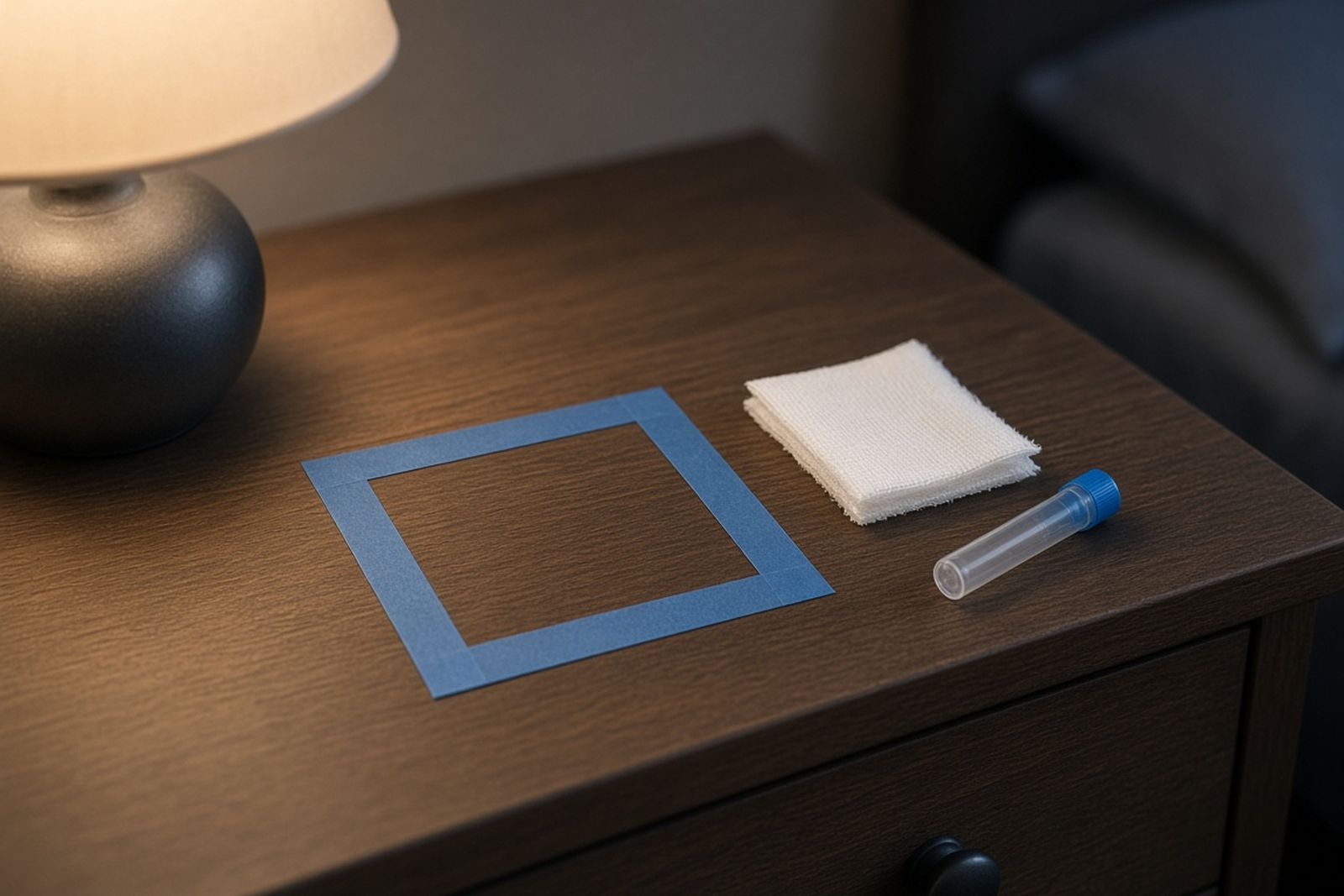
DIY vs Professional Drug Paraphernalia Cleanup: The Critical Differences
When can you safely handle a single pipe or foil square, and when do needles, powder, or blood mean it is time to call a trained paraphernalia cleanup crew?
DIY cleanup may be reasonable for a few non-sharp items with no visible powder, blood, or residue, handled with gloves and sealed in a bag. Call a professional when you find needles, unknown powders, blood, heavy smoke residue, many items spread through a home, or a space where children will live. Professionals bring sharps tools, respiratory protection, dust control, testing options, and proper disposal.
10 Drug Paraphernalia Cleanup Safety Risks to Assess Before Work Begins
Hidden needles, unknown powders, blood, clutter, and people returning mid-job: ten drug paraphernalia cleanup risks to assess before anyone starts working.
Before drug paraphernalia cleanup begins, assess ten risks: hidden sharps, unsafe handling habits, airborne powder, hand-to-mouth transfer, blood and body fluids, access by children and pets, clutter and structural hazards, unexpected people on site, chemical mixing, and improper disposal or disturbing possible evidence. Naming each risk ahead of time shapes the protective gear, search method, and sequence the crew uses.
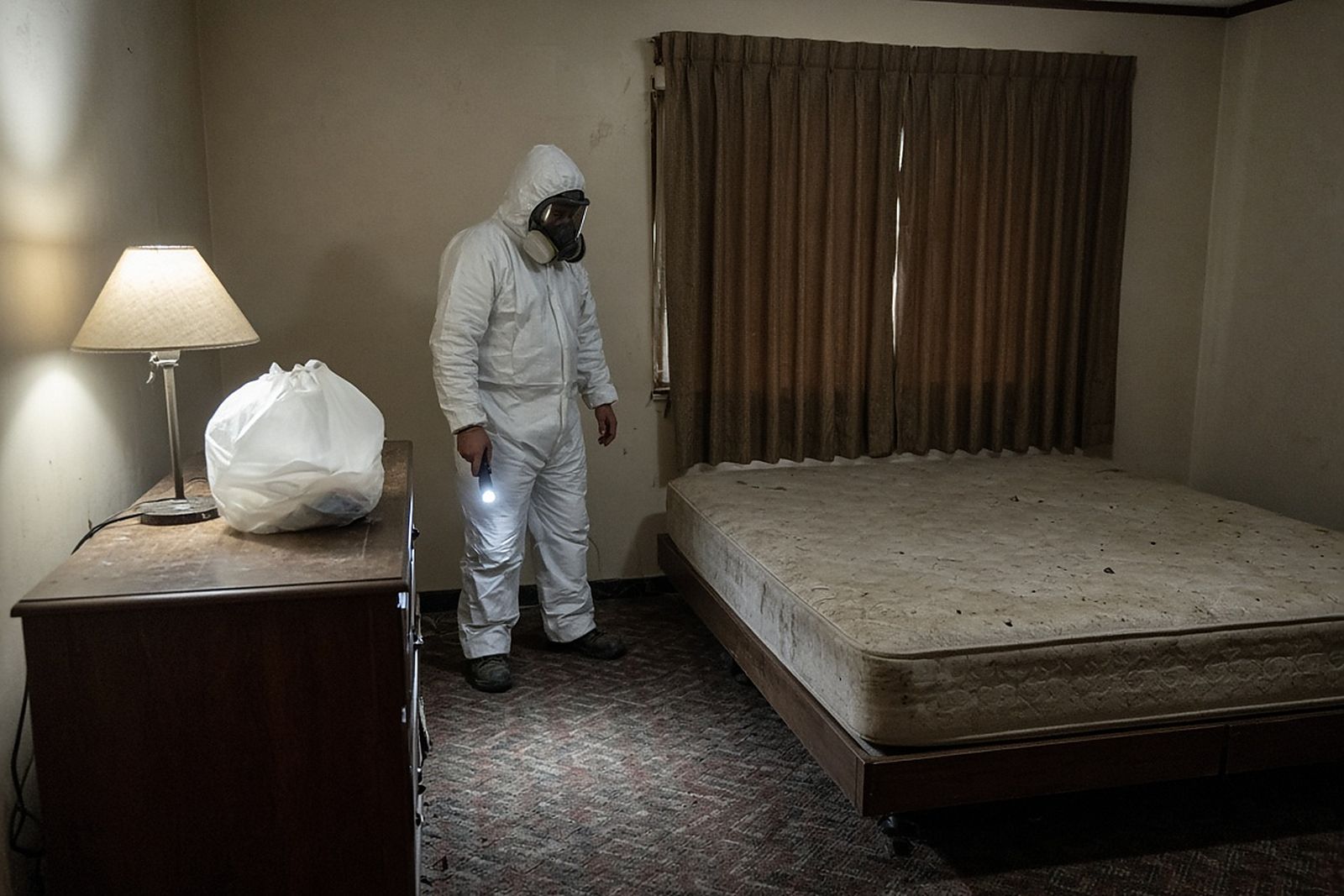
PPE Planning for Drug Paraphernalia Cleanup: Start With the Hazard Assessment
A room with a few pipes and one with syringes and powder need different gear. See how paraphernalia crews pick gloves, respirators, and suits for each site.
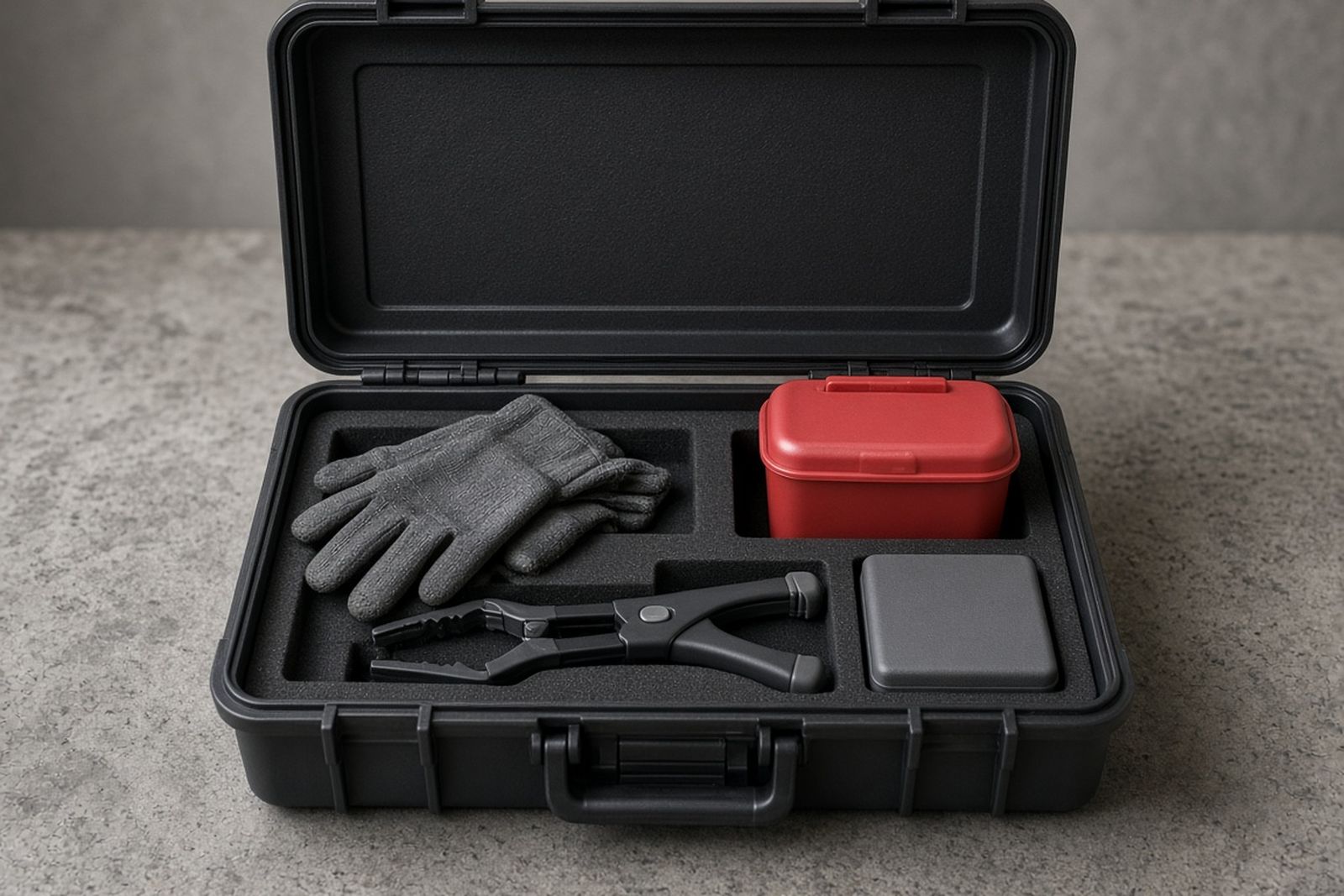
PPE for drug paraphernalia cleanup should follow a hazard assessment of what is actually present: sharps, blood, burned residue, loose powders, or signs of drug preparation. Most jobs call for nitrile gloves, puncture-resistant outer gloves and boots, eye protection, and no-touch tools. Visible powders or heavy residue may add disposable coveralls and a fit-tested respirator, along with careful removal and handwashing.
Sourced figures on safety
- 0 of 274
Across 274 children injured by discarded needles in Montreal over 19 years, there were zero HIV, hepatitis B or hepatitis C seroconversions.
Read with care: Many children received prophylaxis, and not all were tested at six months.
Source: Pediatrics (Papenburg et al.) (2008)Two Montreal children's hospitals, 1988–2006
- 42 days
Laboratory studies cited by the Canadian Paediatric Society found HIV surviving up to 42 days inside syringes, depending on temperature, while hepatitis B survives about one week.
Read with care: Virus survival in a syringe does not equal efficient transmission from a dry discarded needle.
Source: Canadian Paediatric Society (2018)Laboratory survival studies in syringes
- 0 of 25
Of 53 children referred to a UK hospital for community needlestick injuries between 1995 and 2003, none of the 25 who completed six-month testing were positive for HIV or hepatitis B or C.
Read with care: Small sample and less than half completed follow-up.
Source: Archives of Disease in Childhood (2005)Single UK pediatric center, August 1995–September 2003
These figures are public research and agency data, not this network's own job records. Keep each number with its population, year and limits; none of them predicts cost, timing or outcome at a specific property.
What research has found
Findings from published studies of people and properties in situations like this one. They describe what researchers observed in a specific group; they are not predictions for your case.
Rangehood and air-conditioner filters contained methamphetamine.
Residents reported sleep problems during exposure periods.
Safety: common questions
What should I do if I get stuck by a needle during cleanup?
Wash the area with soap and water right away. Do not squeeze it or scrub hard. Get medical care promptly. A doctor or nurse can decide if follow-up testing or treatment to prevent infection is needed. Keep the needle only if you can put it safely in a sharps container. If it happened at work, report it to your employer.
Can touching fentanyl residue cause an overdose?
Brief skin contact with small amounts is generally thought unlikely to cause an overdose. But you should still avoid unknown powders. Never handle them dry or near your face. Wear gloves, keep powders wet, and wash your hands afterward. Keep naloxone on hand. Call emergency services if anyone shows signs such as extreme drowsiness or slow breathing.
Is it safe to open windows to air out a unit with drug debris?
Fresh air can help with odor. But opening windows and running fans can also move loose powder around the room. If you can see unknown powders, keep the space closed and let pros decide how to air it out. Once visible debris and powders have been removed with wet methods, airing out the unit is usually fine.
What should I do if a child finds a needle and brings it to me?
Stay calm and ask the child to set it down, or take it by the plastic barrel with the needle pointed away from you both. Place it in a rigid, puncture-resistant container with a secure lid, such as a heavy plastic detergent bottle, and close it. Check the child for any puncture; if skin was broken, wash with soap and water and seek medical care promptly. Then talk about never touching needles.
What are the signs of an opioid overdose I should watch for?
Common signs include extreme drowsiness or being unable to wake up, slow or stopped breathing, gurgling or snoring sounds, small pupils, and blue or gray lips or fingertips. If you see these, call 911 right away. If naloxone is available, use it as directed and stay with the person until help arrives. Anyone near unknown powder who suddenly feels very drowsy or dizzy should move away and get help.
Should I keep a sharps container at home if paraphernalia has turned up before?
If repeat finds are possible, a rigid sharps container with a lid can prevent improvised handling when a single needle appears. Keep it out of reach of children and pair it with a no-touch tool so nobody uses bare hands. Ask your local health department how to dispose of it once it reaches the fill line. For anything beyond an isolated item, still call a provider.
Is it safe to pick up a closed backpack or bag left in the space?
Treat it as unknown. Bags often hold syringes, loose needles, or open powder, and reaching inside is a common way people get hurt. Do not open, squeeze, or shake it. Leave it where it is and tell the provider its location. A trained crew will open it with tools on a stable surface, look before reaching, and package whatever is inside appropriately.
Related community polls
Every count is a real visitor vote; nothing is seeded or padded. One vote per poll per device, and you can change your answer.
You open a vacated rental and see foil, a pipe, and one syringe. What is your first move?
Which hazard worries you most in a unit with drug debris?
More on drug paraphernalia cleanup
Drug Paraphernalia Cleanup services
See how needle pickup, residue cleaning, vehicle work, and turnover paperwork fit together, and what to expect from a company on site.
Costs explained
What drives the price, published cost ranges, and how to read a written quote line by line.

Insurance and payment
Which policies may respond, how to document a claim, and what to do if coverage is denied.
Planning tools
Work through planners, classifiers, and checklists built for rentals, motels, vehicles, and vacant homes where drug debris has been found.
Community polls
Compare your gut calls with other owners and managers on police reports, what to tell tenants, who pays, and when lab testing is worth it.
Knowledge quiz
Test whether you would make the safer call when you find foil, pipes, syringes, or unknown powder, then review the study guide.