Short answer
Before a cleanup begins, think through ten risks. They are hidden needles, unsafe handling habits, powder in the air, residue carried from hand to mouth, and blood and body fluids. They also include children and pets getting in, clutter and building hazards, people showing up, mixing chemicals, and wrong disposal or disturbing possible evidence. Naming each risk first shapes the gear, the search, and the order of work.
Look before anyone touches anything
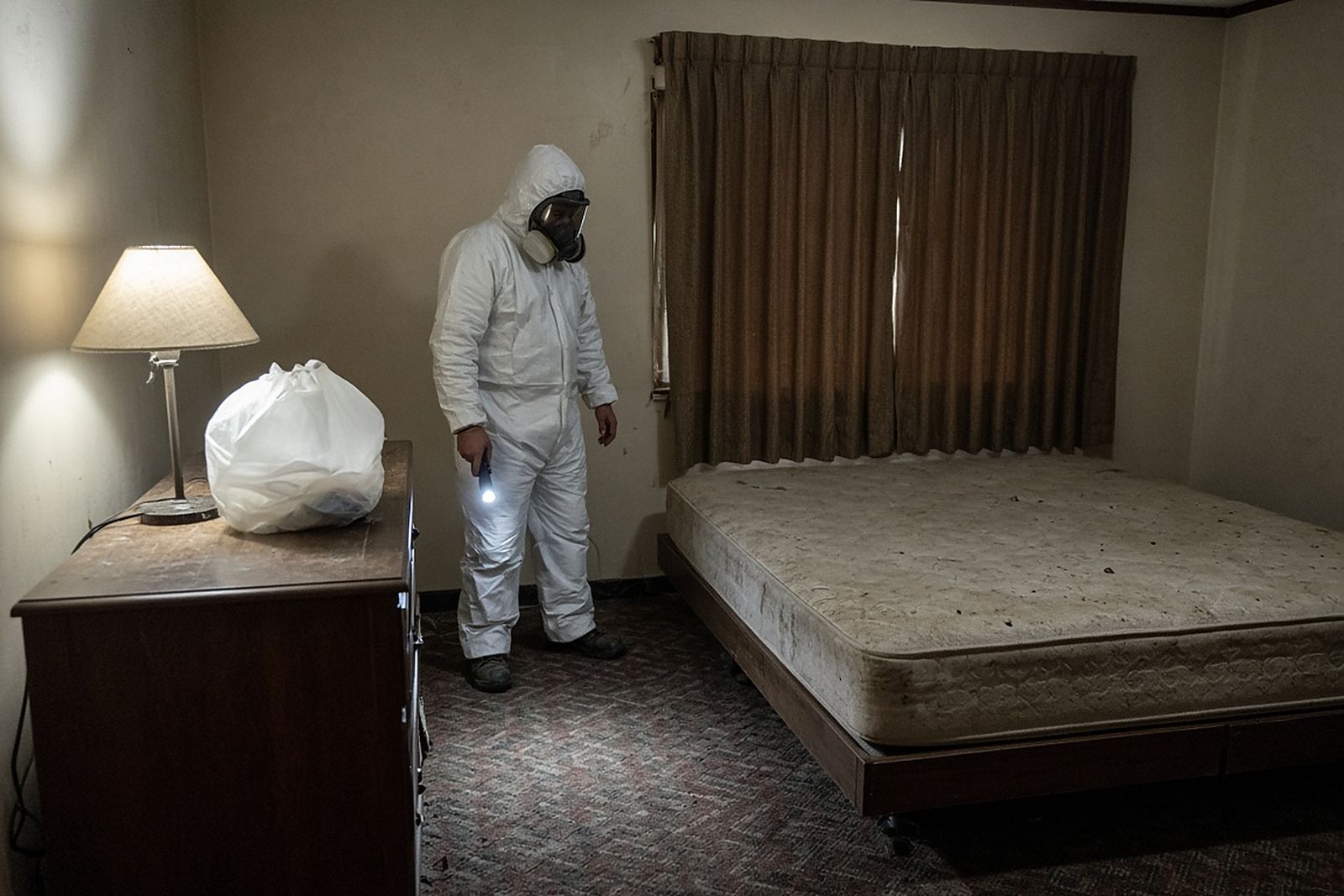
The most dangerous moment in a cleanup of drug items is often the first few minutes. Someone walks in, sees a pipe or syringe, and reaches for it without thinking. A short, careful look at the risks, before any hands go near the items, prevents most injuries and exposures.
A good risk check answers three questions. What could hurt someone here? How likely is it? What will we do about it? The answers decide what protective gear to wear, how to search, what order to work in, and when to stop and call for more help.
Trained crews look for the same ten risks on nearly every job. You can use the list to understand a cleanup company's plan. You can also use it to decide whether a situation is safe for you to handle at all.
- 1. Hidden needles
- 2. Unsafe handling habits
- 3. Powder in the air
- 4. Residue carried from hand to mouth
- 5. Blood and body fluids
- 6. Children and pets getting in
- 7. Clutter and building hazards
- 8. People showing up
- 9. Mixing chemicals during cleaning
- 10. Wrong disposal and possible evidence
Risk 1: Hidden needles
Hidden needles are the top risk because they injure people who are not expecting them. Needles are often tucked into mattresses, couch cushions, drawers, pockets, backpacks, and shoes. They turn up in toilet tanks, ceiling tiles, and vents. Outdoors, they collect in grass, mulch, gravel, storm drains, and along fence lines.
You often cannot see blood on them. In a 2008 Pediatrics study of children injured by discarded needles in Montreal, most injuries occurred in streets (29.2%) or parks (24.1%), and only 13.1% of children noticed blood on the device. A needle that looks clean is not a safe needle.
Risk 2: Unsafe handling habits
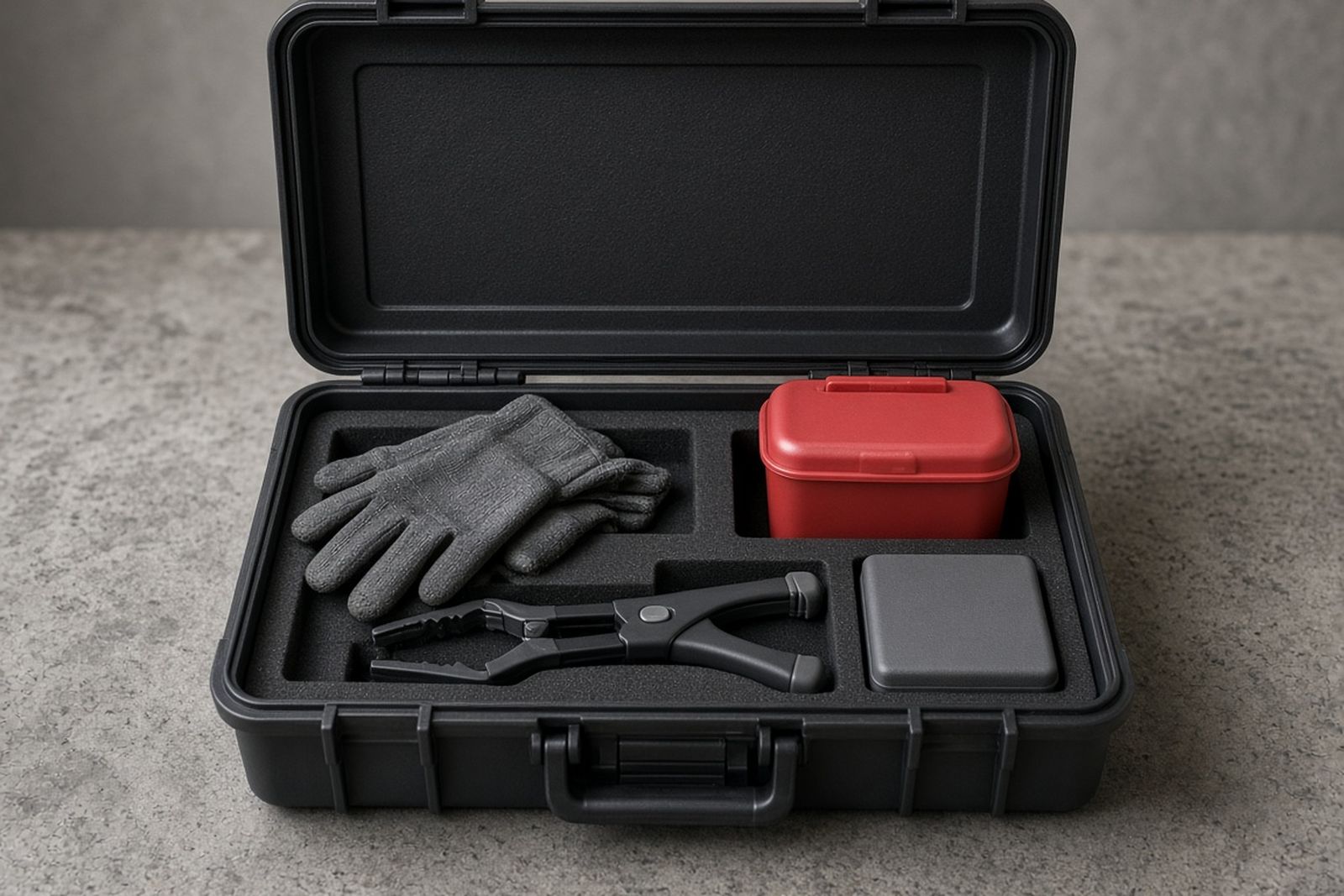
The second risk is how needles are handled. Many sticks happen when someone puts the cap back on a needle, bends or breaks it, pushes it into an overfilled container, or reaches blindly into a bag. Every found needle should be picked up with a no-touch tool and dropped point-first into a hard-sided container.
Before starting, a careful crew decides how it will search each area. It makes sure containers of the right sizes are on hand. You can ask to hear that plan.
Risks 3 and 4: Powder in the air and residue on hands
Unknown powders and residues are a chemical risk. Some drugs are strong in small amounts, and fine dust can float when it is disturbed. Sweeping, dry wiping, shaking out fabric, and using household vacuums can all spread residue through the air and across your surfaces.
Residue can travel farther than you would expect. It spreads from the spot where drugs were used to nearby surfaces, fabrics, and hands.
The fourth risk is carrying residue from hand to mouth. Touching residue and then touching your face, eating, drinking, or smoking is a common way people are exposed. A good crew plans where gloves come off and where hands get washed. It plans where food and drink are allowed, which should be well away from the work area.
The safeguards are simple. Powder is dampened before it is wiped. Work moves from clean areas toward dirty ones. Vacuums with HEPA filters, which trap very fine dust, are used only after visible residue is gone. Workers wear breathing protection chosen for the hazard.
Risk 5: Blood and body fluids
Injecting drugs often leaves blood on surfaces, cotton, tissues, bedding, and clothing. Vomit, urine, and feces may also be present in some homes. These materials can carry germs that spread through blood. They need cleaning, followed by disinfecting with a product registered for that purpose.
The risk check should note where body fluids are and what they have soaked into. It should note whether those materials can be cleaned or must be removed. Carpet, pads, mattresses, and padded furniture that soaked up blood usually need to go.
A crew working around blood wears gloves, eye protection, and disposable coveralls or sleeves. On hard surfaces, it keeps the disinfectant wet for the full time on the label. Contaminated soft goods go into leak-proof bags.
Worker health is part of this risk too. Anyone doing this work should be offered the hepatitis B vaccine. They should also know the first-aid steps after a stick or splash. Wash with soap and water. Flush eyes or mouth with clean water. Report it right away, and see a doctor the same day. The same steps apply to you.
Risks 6 and 8: Children, pets, and people showing up
Children and pets are drawn to unusual objects. A found syringe or a small bag of powder can look like a toy or a treat. Before and during your cleanup, the area must be closed off, with children and pets kept well away. The risk check should confirm who lives in or uses the space and how they will be kept out.
People showing up is the eighth risk. In rentals, abandoned buildings, camps, and some homes, the person who used the space may come back during the cleanup. Friends, family, neighbors, or others may arrive. Some of these meetings are emotional. A few can turn into confrontations.
A crew needs to know who has a legal right to enter your property, and whether there is any reason to expect someone to return. It needs a plan for what to do if someone arrives. In some cases, the safest choice is to talk with property management or the police before work begins.
Risk 7: Clutter and building hazards
Clutter and building hazards are easy to miss when your attention is on needles and powder. Piles of belongings can hide needles and trip people. Hoarded homes may have blocked exits, shaky stacks, and poor light. Vacant buildings may have damaged floors, broken stairs, exposed wiring, or mold.
The risk check should find safe paths in and out and note where more light is needed. It should mark any areas that are unsafe to enter until repairs are made. If your space is heavily cluttered, the plan may need to combine clearing debris and collecting drug items, room by room.
Heat and tiredness matter too. Wearing protective gear in a hot, cramped space for a long time leads to mistakes. Planned breaks, water, and trading off between workers keep attention sharp.
Odor and air quality can point to hidden problems. A strong chemical smell may mean residue from smoking or cooking drugs. A musty smell may mean water damage or mold. If the air stings or irritates, the work should stop while the space is aired out. The level of breathing protection may need a second look.
Risk 9: Mixing chemicals
Mixing chemicals is the ninth risk. Using bleach alongside ammonia-based cleaners or acidic products can release harmful gases. Some residues may react with cleaning products. A good crew plans which products it will use, in what order, and how it will bring in fresh air. If you clean anything yourself, never mix products.
Risk 10: Disposal and possible evidence
The tenth risk involves disposal and possible evidence. Needles must go into hard-sided containers and on to proper treatment. Other items may need specific packing. Your county health department can tell you how drug items and contaminated materials must be handled in your area.
If the find is tied to a crime, an overdose death, or an open investigation, disturbing items could get in the way of the police. Before your cleanup begins, confirm whether police need to see the scene or have already released it. When in doubt, ask before anything is moved.
Turning the list into a plan
If you are hiring a cleanup company, ask it to walk you through how it will handle each of the ten risks. Clear, specific answers show that it understands the work. If you are deciding whether to handle a small find yourself, go through the list honestly. Any needle, unknown powder, blood, or doubt about who might arrive is a reason to step back and call a professional.
Once the risks are named, the plan follows from them. Take a cluttered unit with needles, powder, stained bedding, and a chance of visitors. The plan starts with securing the doors, confirming who legally holds the unit, and letting police know work is underway if people may return. Next comes breathing protection and coveralls, with powder dampened and bagged first. Paths are cleared room by room, and clothing is searched with tools. Bedding goes into leak-proof bags, and hard surfaces are disinfected in a set order. Writing that plan down also leaves you a record of what was found and how it was handled.
Emotional strain is worth naming as an eleventh risk, even if it rarely makes the formal checklists. You may be sorting a loved one's belongings. Your staff may have known the tenant. The work can be upsetting. Building in breaks, or letting a crew handle the physical work entirely, is a sound safety decision.
This can be heavy, especially when someone you love is involved. It is okay to let others handle the physical work. Anyone in crisis or having thoughts of suicide can reach the 988 Suicide and Crisis Lifeline by calling or texting 988. If you see signs of an overdose, call 911 right away.