Drug Paraphernalia Cleanup: Education
Science and technology used in some drug paraphernalia cleanup scopes, with explicit limits for ATP, disinfectants, enzymes, fogging, air equipment, and moisture tools.
The education group explains the science and terms behind drug debris cleanup. Articles describe how residues from smoked or injected drugs settle on surfaces. They explain why some powders are a bigger exposure concern than others. They show how the line is drawn between drug use debris and contamination from drug making. You will also find posts on cleaning versus disinfecting when there is blood on needles or surfaces. Other posts cover what lab wipe testing measures and how to judge gear or methods a company suggests, from HEPA vacuums to test kits. Several posts also cover when enzyme or germ-based products make sense for odor, and when they do not.
Get an email reply about drug paraphernalia cleanup
Send a short message to the follow-up inbox. A coordinator can reply by email. This form does not send emergency help; call 911 first if anyone is in danger.
This background matters because drug cleanup estimates can include terms that sound the same but are not. A turnover cleaning, a residue cleanup, and a meth cleanup each come with different expectations and costs. It helps to know what a surface test can show. It helps to know why fabrics can hold residue that hard surfaces give up easily, and why deodorizing does not remove drugs. Then you can ask if the proposed work actually matches what was found in your unit. It also helps you read a lab report without confusion. You will know which rooms were tested and what the results mean for your next step. That keeps you from paying for work no one needs, or skipping work the findings call for.
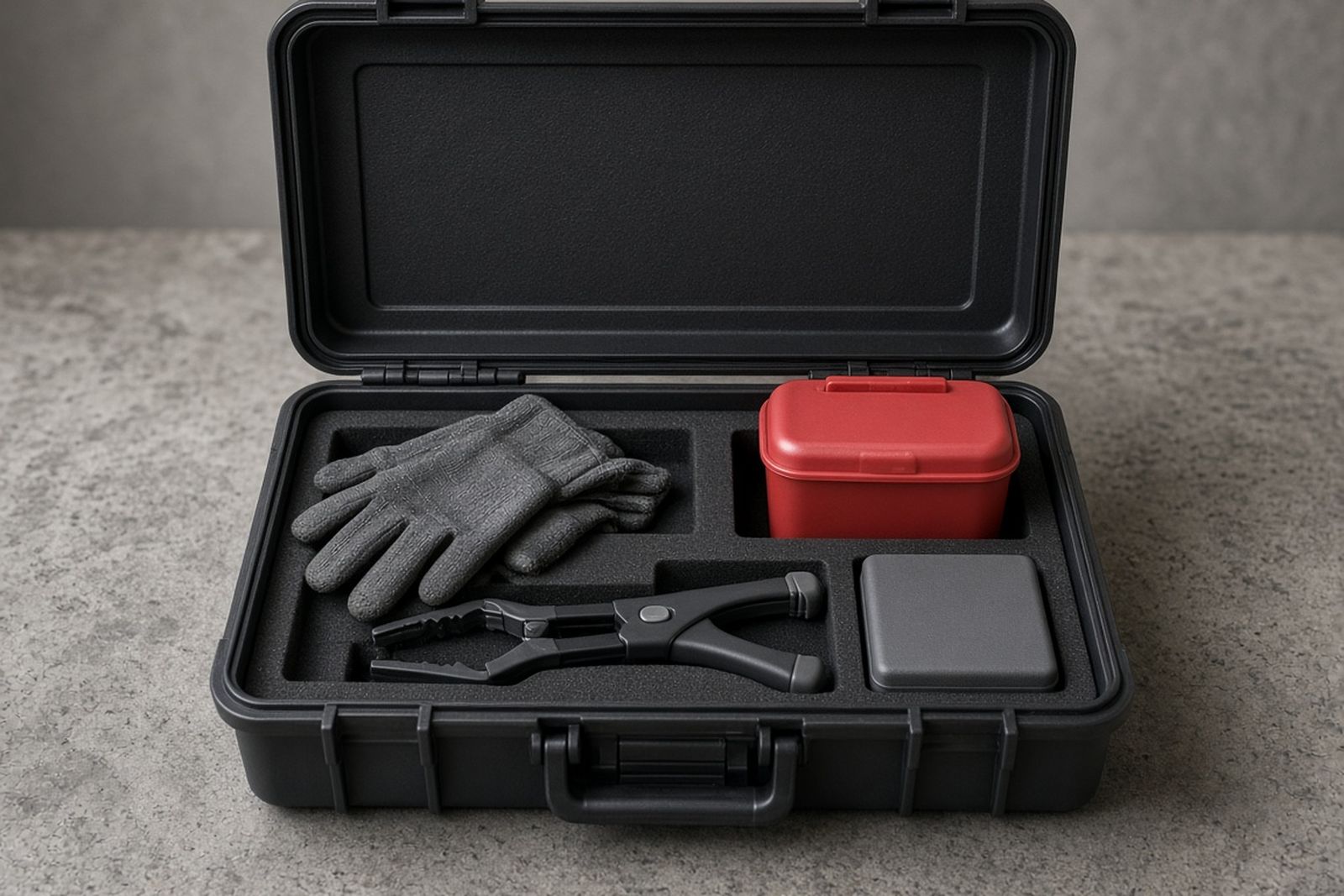
The Science Behind Drug Paraphernalia Cleanup
Why do syringes, pipes, and powder residue need different handling? The biology and chemistry behind safe drug paraphernalia cleanup, explained plainly.
Drug paraphernalia cleanup rests on two sciences. Biology explains why used syringes and blood-stained items can carry hepatitis and HIV for longer than people expect. Chemistry explains how drug residues cling to surfaces, how fine powders move through the air, and why wet wiping, correct disinfectant contact time, and careful sealing matter more than scrubbing hard or spraying heavily.
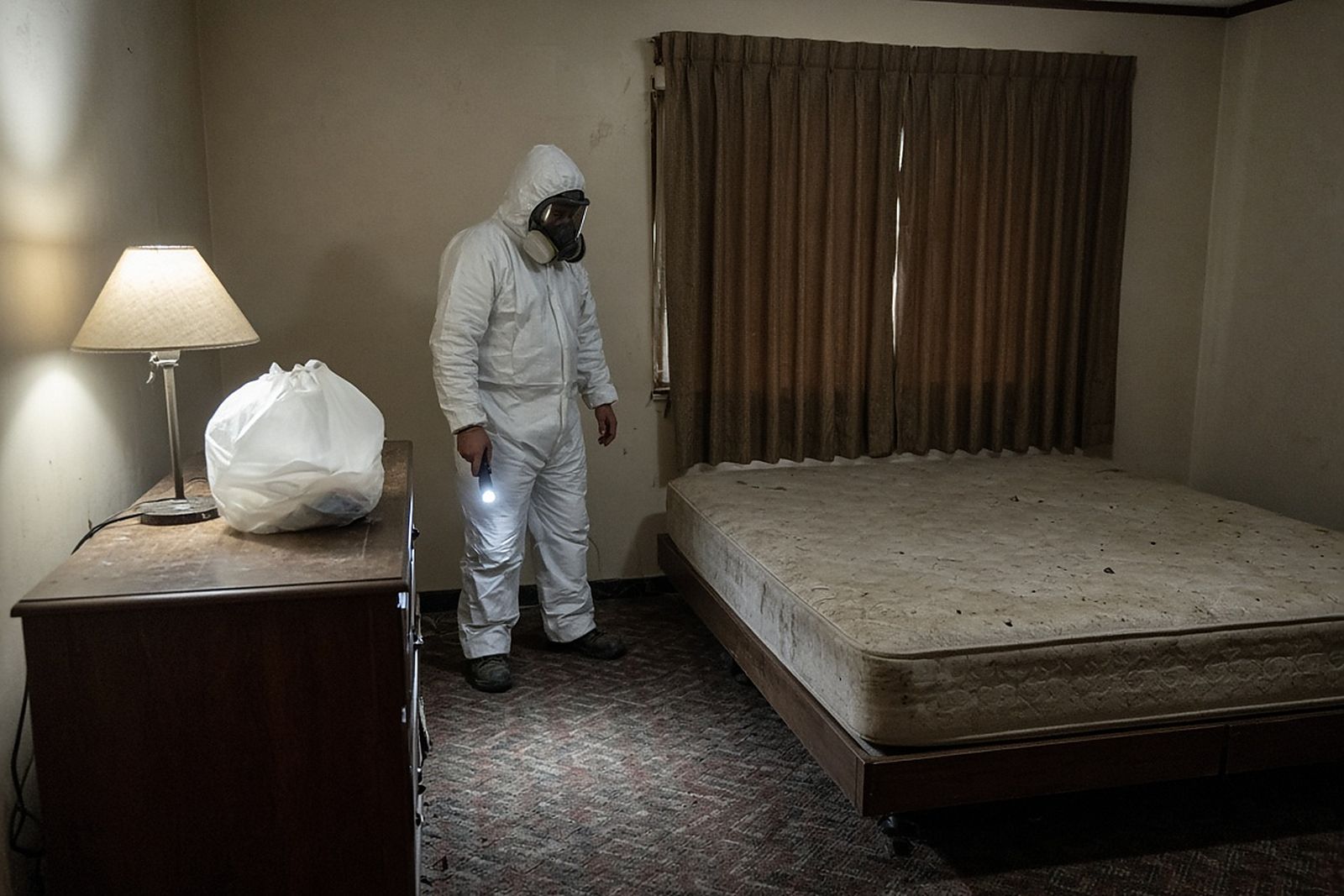
How to Evaluate Equipment Proposed for Drug Paraphernalia Cleanup
Tongs, sharps containers, HEPA vacuums, respirators, and wipe sampling kits: how to judge whether a paraphernalia cleanup crew's gear fits the job you have.
To evaluate equipment for drug paraphernalia cleanup, check that it covers both hazards: sharps and blood on one side, drug residue on the other. Look for no-touch collection tools, rigid sharps containers, sealable waste packaging, protective gear matched to powders or smoke residue, HEPA-filtered vacuums rather than household units, registered disinfectants with known contact times, and a clear plan for testing if residue is suspected.
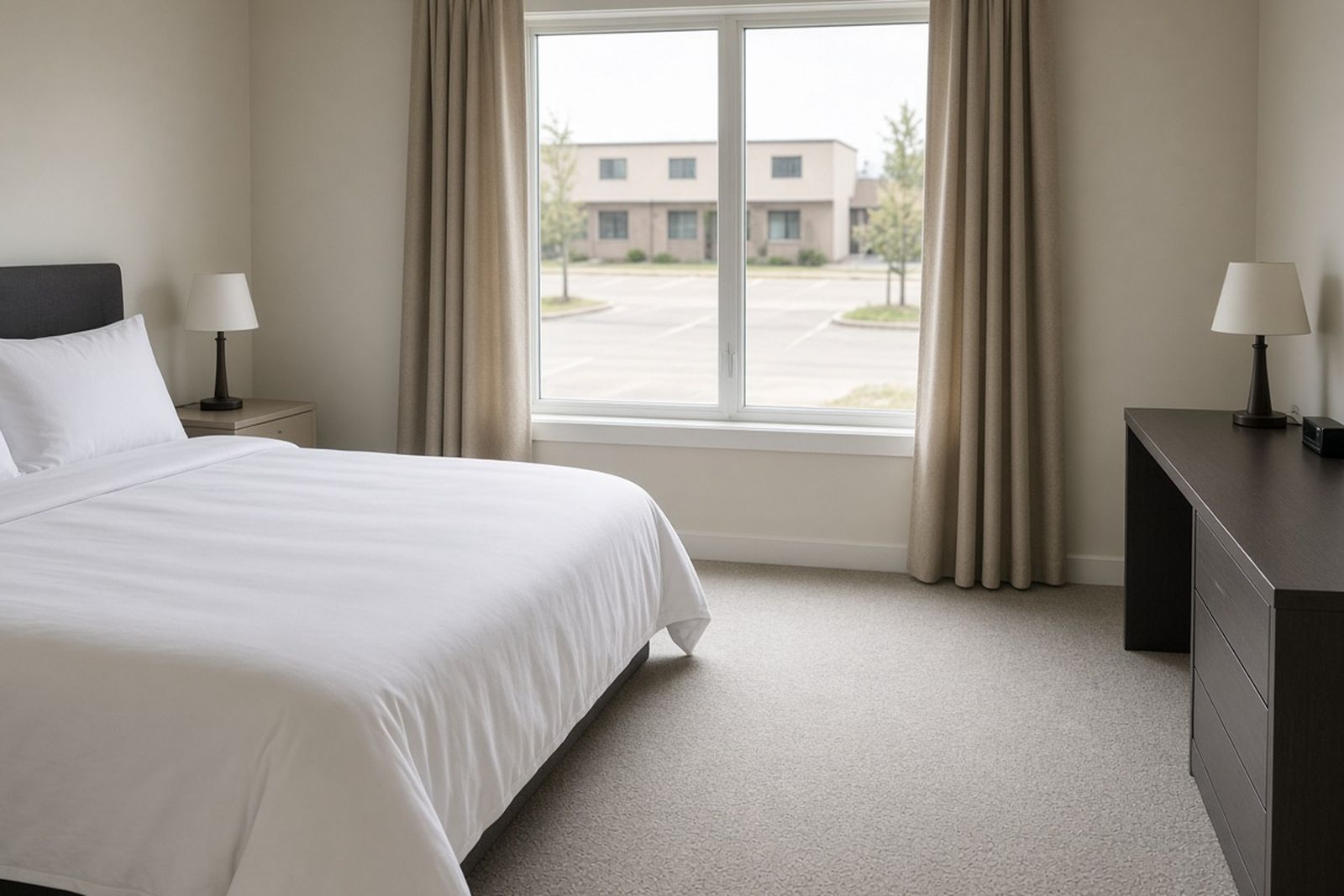
The Difference Between Cleaning and Disinfection in Drug Paraphernalia Cleanup
Disinfectants kill germs but do not remove drug residue. Why paraphernalia cleanup needs both washing for chemicals and disinfection for blood and sharps.
In drug paraphernalia cleanup, cleaning and disinfection target different hazards. Cleaning with detergent, water, and repeated wiping physically removes drug residue, which is chemical and not killed by disinfectants. Disinfection kills germs from blood and bodily fluids found with syringes or other items. Most jobs need both: sharps contained first, residue washed away, and blood-contaminated surfaces disinfected according to label directions.
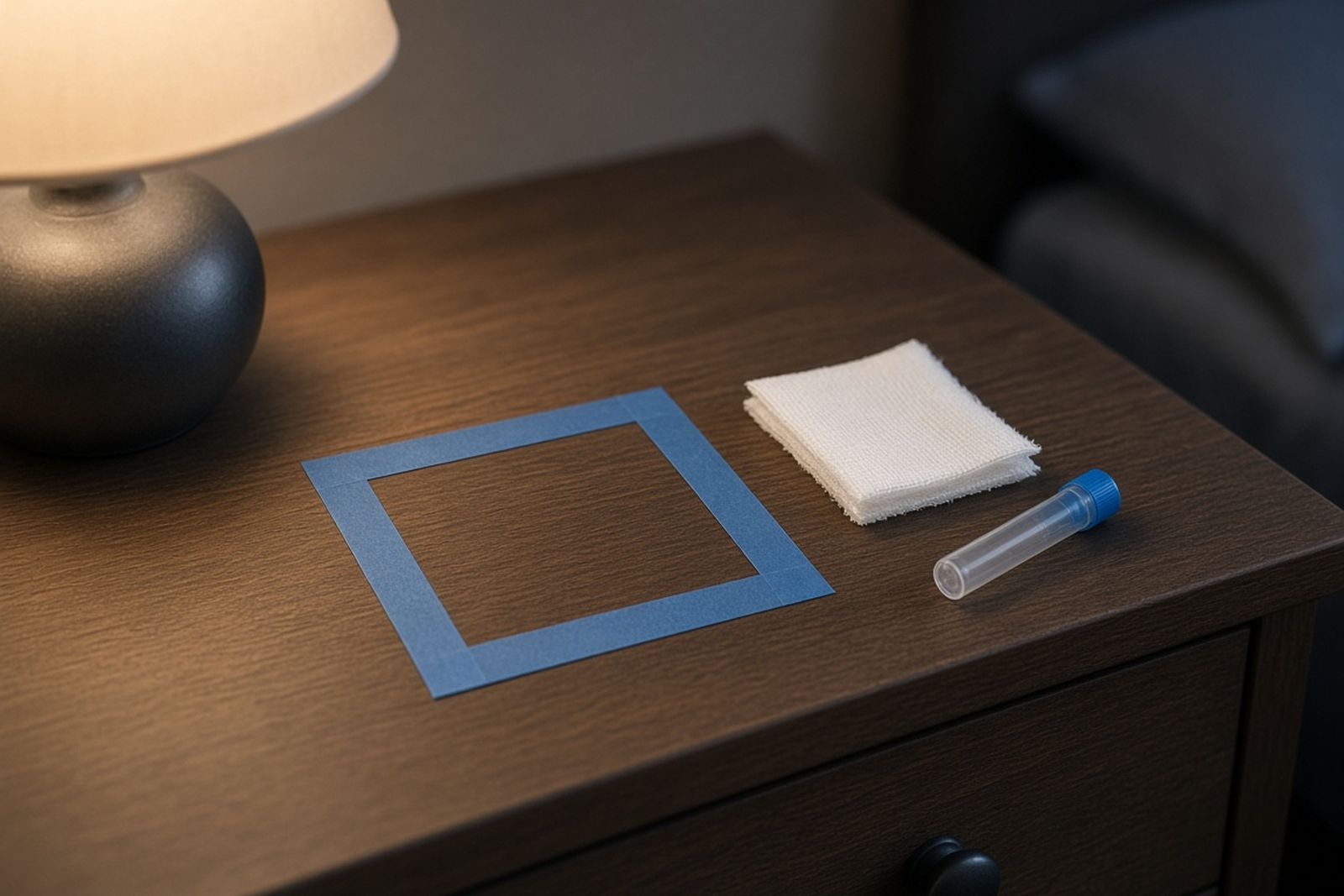
When ATP Testing Helps—and When It Does Not—in Drug Paraphernalia Cleanup
ATP swabs detect organic soil like blood, not meth or fentanyl. Learn where ATP fits after a paraphernalia cleanup and when lab wipe sampling is the real test.
ATP testing measures biological material, such as blood, body fluids, or food soil, left on a surface. It cannot detect methamphetamine, fentanyl, or other drug residue. In a drug paraphernalia cleanup, ATP can help confirm that areas with blood or fluids were cleaned well, but questions about drug residue need wipe samples analyzed by a laboratory. Ask any provider which question each test answers.
How to Evaluate Technology Used in Drug Paraphernalia Cleanup
Test kits, handheld analyzers, inspection cameras, HEPA vacuums, and wipe sampling: how to judge the tools a paraphernalia cleanup provider brings to your job.
To evaluate technology in drug paraphernalia cleanup, ask what question each tool answers, what it cannot detect, how the crew is trained to use it, and whether its results change decisions. Simple tools like sharps grabbers and rigid containers matter most. Field drug tests, handheld analyzers, and inspection cameras can help, but lab wipe sampling remains the stronger evidence for residue questions.
When Enzymes or Microbial Products Fit Drug Paraphernalia Cleanup
Enzyme and microbial cleaners can break down blood, vomit, and urine odors after drug use, but they do not remove meth or fentanyl residue or disinfect.
Enzyme and microbial products can help in a drug paraphernalia cleanup when organic soil is the problem: dried blood, vomit, urine, or food waste that causes stains and odor. They do not break down methamphetamine, fentanyl, or other drug residue, and most are not registered disinfectants. Use them after sharps and paraphernalia are removed, alongside detergent cleaning and a labeled disinfectant, never instead of them.
Sourced figures on education
- 79,384 deaths
There were 79,384 US drug overdose deaths in 2024, down 26.2% from 105,007 in 2023, the largest one-year decrease on record.
Read with care: Final counts differ slightly from provisional figures published earlier in 2025.
Source: CDC National Center for Health Statistics (2025)United States, final mortality data
- 9.0%
Xylazine was detected in 9.0% of 53,969 fentanyl-involved overdose deaths across 32 jurisdictions from January 2021 to June 2022, rising to 10.9% of deaths by June 2022.
Read with care: Detection depends on toxicology testing practices, which vary by jurisdiction.
Source: CDC MMWR (2023)32 US jurisdictions, 2021–2022
- 0 of 25
Of 53 children referred to a UK hospital for community needlestick injuries between 1995 and 2003, none of the 25 who completed six-month testing were positive for HIV or hepatitis B or C.
Read with care: Small sample and less than half completed follow-up.
Source: Archives of Disease in Childhood (2005)Single UK pediatric center, August 1995–September 2003
These figures are public research and agency data, not this network's own job records. Keep each number with its population, year and limits; none of them predicts cost, timing or outcome at a specific property.
What research has found
Findings from published studies of people and properties in situations like this one. They describe what researchers observed in a specific group; they are not predictions for your case.
Ceiling insulation contained methamphetamine.
Commercial sorption tubes and laboratory methods successfully measured airborne methamphetamine.
Education: common questions
Can drug residue remain on surfaces after the visible items are removed?
Yes. Smoke from pipes and foil can leave residue on walls, ceilings, and air vents. Spilled powders can settle into carpet and furniture. The amount varies widely with how the drugs were used and for how long. When there is a reason for concern, lab testing of surfaces is the way to measure it.
What is the difference between use debris and a contaminated property?
Use debris means items left from personal use, such as pipes, foil, and needles. These can often be removed and the surfaces cleaned. A contaminated property has residue levels high enough to call for testing and a formal cleanup. This is most often linked to drug making or heavy smoking of certain drugs. Signs found during cleanup help decide which one applies.
Does a quick swab test for residue detect drugs?
No. This is a quick swab test that shows leftover organic residue, such as biological dirt. It does not detect germs. It can help confirm that surfaces with blood on them were cleaned. It does not detect drugs either. If there is a question about drug residue, the right check is lab wipe testing for that specific drug. The samples should be taken and tested by a recognized method.
What is the difference between a field drug test and a laboratory test?
A field test, such as a color-change kit or test strip, gives a quick signal for a certain type of drug in a sample. It can give false results. It does not measure how much residue is on a surface. A lab test checks wipe samples taken from measured areas. It reports how much of each specific drug is present. Only lab results give you numbers on paper that you can compare to a reference value.
Why are porous and nonporous materials treated differently?
Hard, sealed surfaces like glass, sealed tile, and metal hold residue on top. Soap and wiping can lift it away. Soft materials like carpet pad, couch foam, raw wood, and unpainted drywall soak residue and fluids inside. There, wiping reaches only the outer layer. That is why companies often clean hard surfaces in place but advise removing badly affected soft items.
What do turnover cleaning, residue decontamination, and remediation mean?
A turnover cleaning removes visible debris and gets a space ready for its next use. A residue cleanup adds extra steps to remove drug residue from surfaces. That often means repeated wet cleaning, removing soft materials, and sometimes testing. Remediation usually means a more formal process. It often falls under state rules for places where drugs were made. Ask any company which of these it is actually quoting.
Where can I find reliable background information beyond these articles?
State and county health departments, state environmental agencies, and federal public health and workplace safety agencies publish background on needles, drug residue, and cleanup. Look for pages that name the area they cover and show a date. Be careful with business pages that mainly sell services. When a source cites a study, the original study is usually the best place to check a claim.
Related community polls
Every count is a real visitor vote; nothing is seeded or padded. One vote per poll per device, and you can change your answer.
You open a vacated rental and see foil, a pipe, and one syringe. What is your first move?
Which hazard worries you most in a unit with drug debris?
More on drug paraphernalia cleanup
Drug Paraphernalia Cleanup services
See how needle pickup, residue cleaning, vehicle work, and turnover paperwork fit together, and what to expect from a company on site.
Costs explained
What drives the price, published cost ranges, and how to read a written quote line by line.
Insurance and payment
Which policies may respond, how to document a claim, and what to do if coverage is denied.
Planning tools
Work through planners, classifiers, and checklists built for rentals, motels, vehicles, and vacant homes where drug debris has been found.
Community polls
Compare your gut calls with other owners and managers on police reports, what to tell tenants, who pays, and when lab testing is worth it.
Knowledge quiz
Test whether you would make the safer call when you find foil, pipes, syringes, or unknown powder, then review the study guide.