Short answer
ATP testing measures biological material, such as blood, body fluids, or food soil, left on a surface. It cannot detect methamphetamine, fentanyl, or other drug residue. In a drug paraphernalia cleanup, ATP can help confirm that areas with blood or fluids were cleaned well, but questions about drug residue need wipe samples analyzed by a laboratory. Ask any provider which question each test answers.
What an ATP meter is really reading
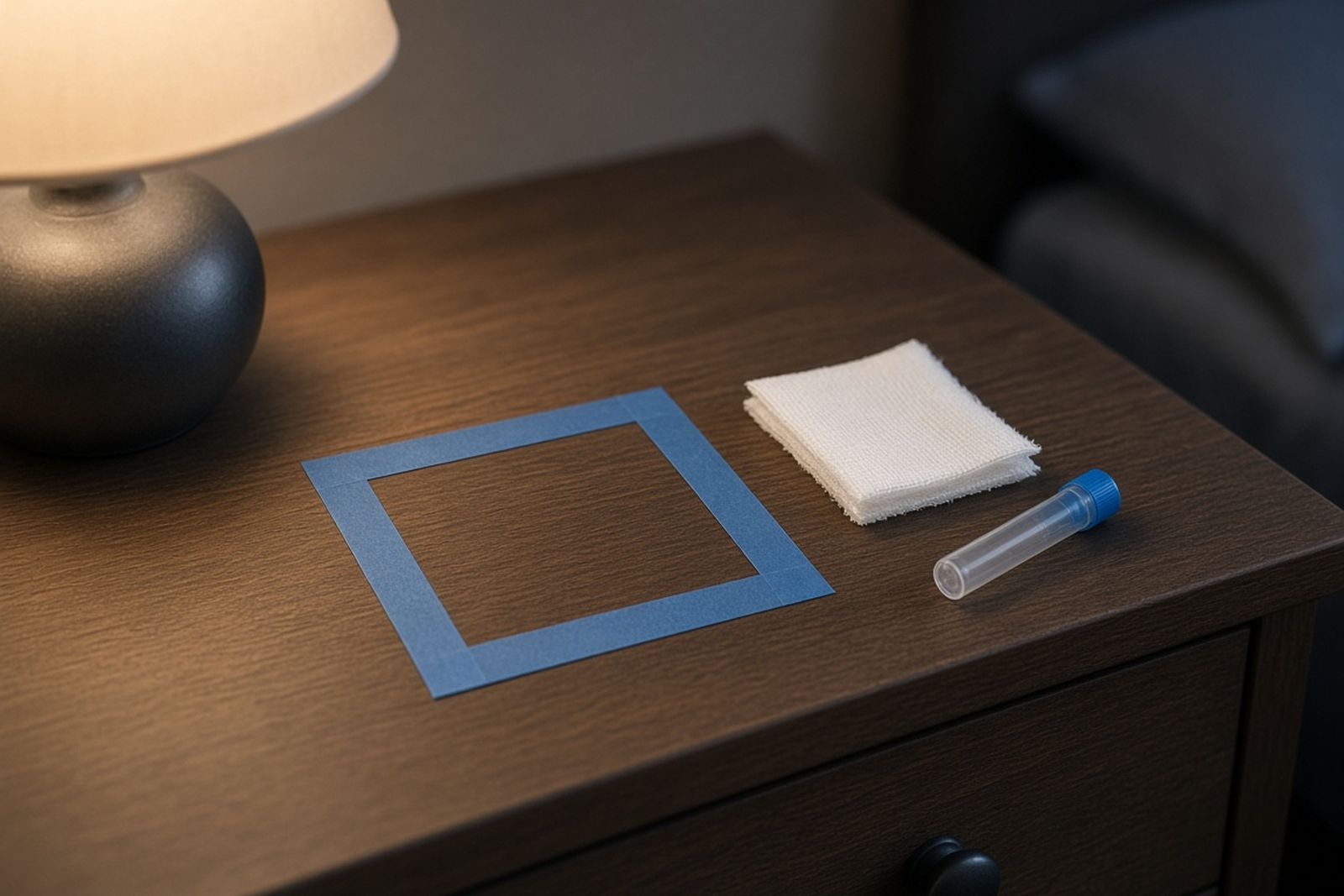
ATP stands for adenosine triphosphate, a molecule found in living cells and in organic material that came from them. An ATP test uses a swab that is rubbed across a surface and then placed in a handheld reader. The reader produces a number, usually in relative light units, that rises when more organic material is present.
That makes ATP useful for one specific question: is this surface still carrying biological soil? Blood, saliva, vomit, food residue, skin oils, and bacteria all contribute to the reading. A high number after cleaning suggests something was missed. A low number suggests the surface was cleaned of organic material.
What ATP does not do is identify anything. It cannot tell you whether the soil came from a person, a pet, or a spilled drink, and it cannot name a virus or bacterium. It also cannot detect synthetic chemicals, including the drugs you are most worried about in a paraphernalia cleanup.
Can ATP detect meth, fentanyl, or other drug residue?
No, and this is the most important point in this article. Methamphetamine, fentanyl, cocaine, and similar substances are not biological soil. They do not produce an ATP signal. A surface can read very low on an ATP meter and still carry drug residue, and a surface can read high because of food grease while carrying no drug residue at all.
If a provider offers an ATP reading as proof that a unit is free of drug residue, that claim does not hold up. The test is simply measuring something else. It is a bit like using a thermometer to check the air pressure in a tire: the tool is real, but it answers a different question.
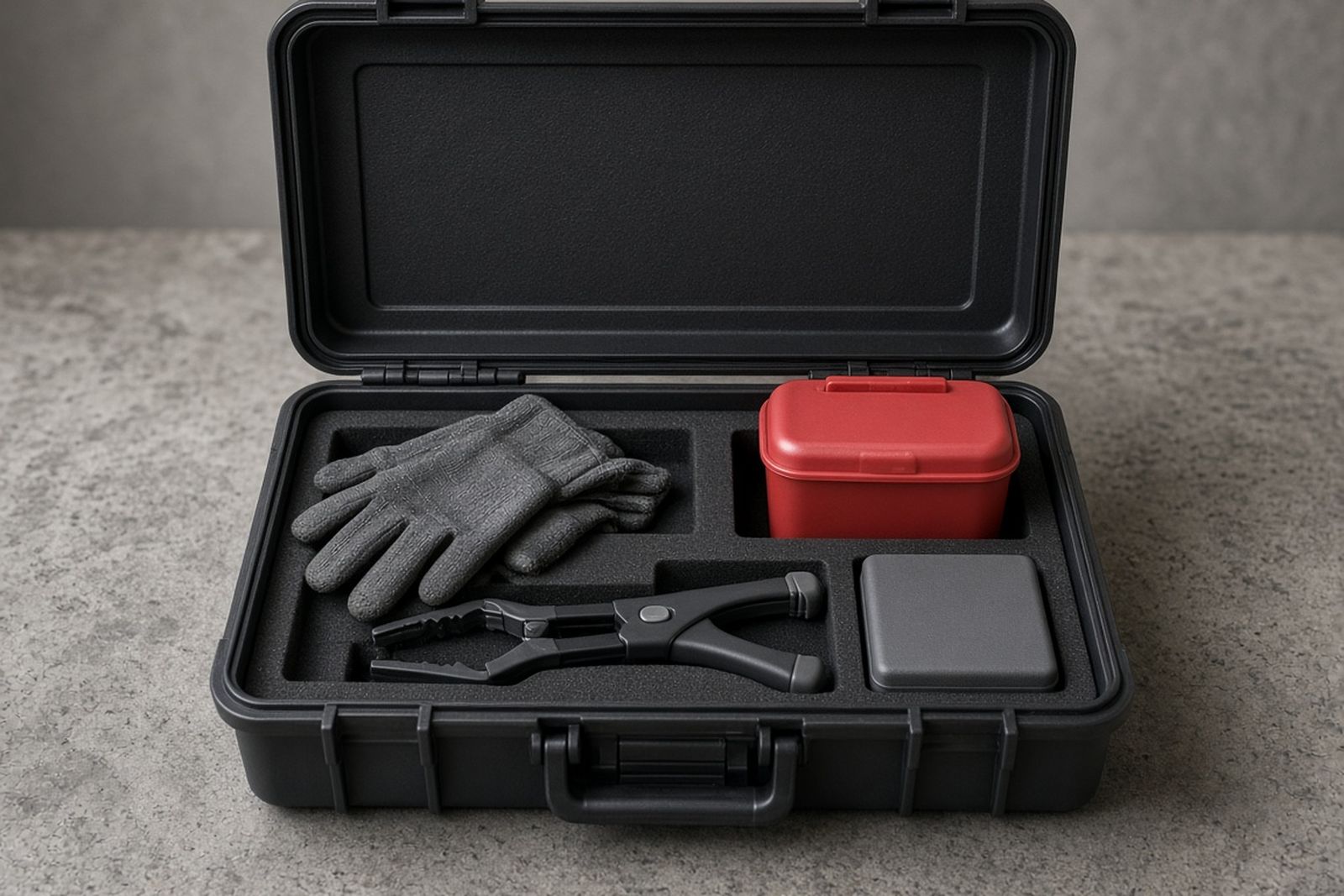
Drug residue is assessed with wipe sampling. A technician wipes a measured area of surface with a prepared medium, seals the sample, and sends it under chain of custody to a laboratory that uses analytical methods designed for the target compounds. The lab reports a concentration, often expressed per 100 square centimeters.
Where ATP genuinely helps
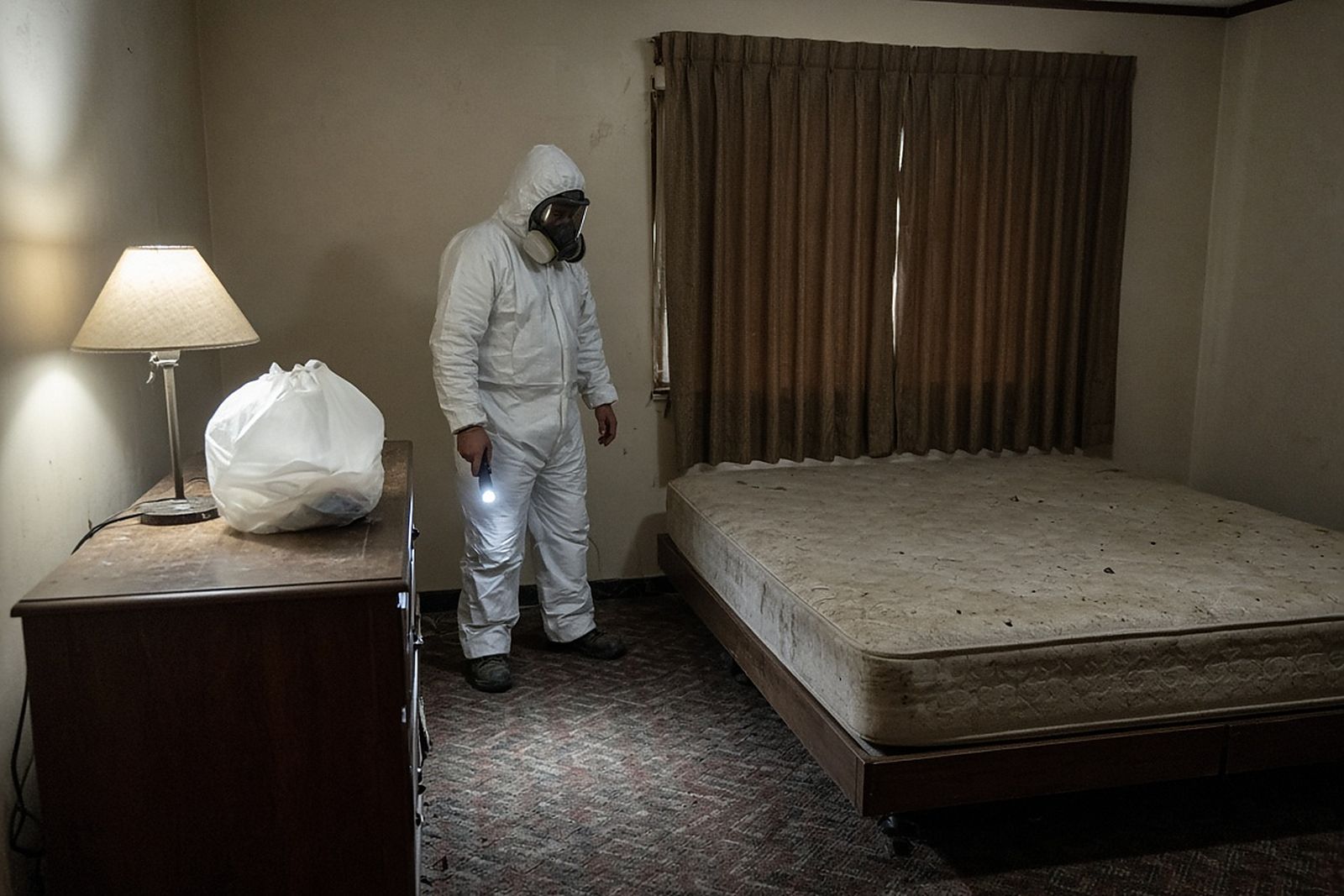
Paraphernalia cleanups often involve more than pipes and foil. Used syringes can leave blood on surfaces. People who used drugs heavily in a space may have been sick. Bedding, bathrooms, and floors near where someone spent long periods can carry body fluids. Those are exactly the conditions where ATP can add value.
After a crew cleans a bathroom counter where blood was visible, an ATP swab can confirm that the organic load dropped. After a mattress is removed and the floor beneath it is cleaned, a reading can help show whether the floor needs another pass. Used this way, ATP is a quality check on the biological side of the job.
ATP is also useful for training and consistency. A crew lead can swab a few surfaces after a technician finishes to see whether the cleaning technique is thorough. Readings over time can show whether a crew is getting better or cutting corners.
Keep expectations modest, though. ATP will not tell you whether a surface that looks clean still harbors a bloodborne virus, and it does not replace the physical steps of removing sharps, bagging contaminated soft goods, and washing with detergent. It simply gives the crew and you a quick, on-site signal about whether organic soil is still there.
- Bathroom fixtures where blood or fluids were present.
- Floors under removed bedding or furniture.
- Kitchen surfaces in a unit that was neglected.
- Spot checks on a technician's cleaning quality.
ATP's limits, and when wipe sampling is the better choice
Readers from different manufacturers are not calibrated to one shared scale, so a number from one device cannot be compared directly with a number from another. Benchmarks also vary. A 2008 study in the Journal of Hospital Infection, conducted at a 1,300-bed UK teaching hospital, proposed a stricter pass or fail benchmark of 250 RLU for surfaces, revised down from an earlier general benchmark of 500 RLU. Those figures come from a hospital setting with a particular device, so they should not be treated as a rule for a residential cleanup.
Some cleaning chemicals can interfere with readings, and surfaces that are wet, rough, or porous can give inconsistent results. Swabbing technique also matters: how hard the technician presses, how large the area is, and how the swab is handled.
Because of these limits, an ATP number is best read as a relative signal on a single job with a single device. Before and after readings on the same surface are more meaningful than one number on its own.
Wipe sampling makes sense when the question involves drug residue itself. That can include a rental unit where heavy smoking of methamphetamine is suspected, a vehicle where fentanyl powder was spilled, or a property sale where a buyer wants documentation. Sampling can be done before cleaning to decide scope and after cleaning to check results.
Contamination is often uneven. Wright and colleagues, studying a single Australian home in 2019, found wall-wipe concentrations of methamphetamine ranging from 0.54 to 110 micrograms per 100 square centimetres. A single sample from one wall would have told a very different story depending on where it was taken. Sampling plans should cover several locations, including places where smoke and residue tend to collect.
Some agencies publish guidance values. The Washington State Department of Health, in a 2024 fact sheet on vehicles, advises hiring a decontamination contractor if fentanyl residue exceeds the ACGIH surface limit of 1 microgram per 100 square centimeters. Standards and reference levels differ across states and situations, and many places have none for personal-use settings. Before relying on any number, ask your state or county health department whether it recognizes one for your situation. On a job with both blood and suspected drug smoke, it is common to use both tools, each for the question it can actually answer.
Questions to ask a provider about testing
Start by asking what each proposed test measures and what decision it will support. If a provider cannot explain the difference between ATP and wipe sampling in plain language, keep looking. Clarity about testing usually signals clarity about the rest of the work.
For wipe sampling, ask which laboratory will analyze the samples, whether the lab is accredited for the target compounds, how many samples will be taken, where they will be taken, and what reference value the results will be compared against. Ask who holds the chain-of-custody paperwork.
For ATP, ask which device and which benchmarks the crew uses, and whether readings will appear in your final report with locations and times. Readings without locations are hard to interpret later.
- What question does this test answer?
- Is it measuring biological soil or drug residue?
- Where will samples or swabs be taken, and how many?
- What reference value will results be compared against?
- Will results appear in the final report with locations?
How should you read the results you receive?
Treat test results as one piece of evidence, not a guarantee. A clean ATP reading on a vanity says that particular surface had little organic soil when it was swabbed. A low wipe sample on a wall says that location had low drug residue at that moment. Neither speaks for every square inch of the property.
It also helps to note the date of each test relative to the work. A reading taken before a surface was repainted, refinished, or replaced tells you about a condition that no longer exists. When you file results, label each one as pre-cleaning, post-cleaning, or follow-up so that anyone reading the file later understands where it fits in the timeline.
Keep results together with photos and the provider's written report. If you ever need to explain to a buyer, an insurer, or a new tenant what was done, that package tells a much clearer story than a single number.
If results bring up worry about your own health or someone else's, talk with a medical provider. If the situation involves a loved one's substance use and you or they feel overwhelmed, reach out to local treatment resources, and remember that the 988 Suicide and Crisis Lifeline is available by call or text at any hour.
Sources
- Wright et al. — Contamination of Homes with Methamphetamine: Is Wipe Sampling Adequate to Determine Risk?
- Washington State Department of Health — Drug Residue in Vehicles (DOH 334-567)
- Journal of Hospital Infection — A modified ATP benchmark for evaluating the cleaning of some hospital environmental surfaces